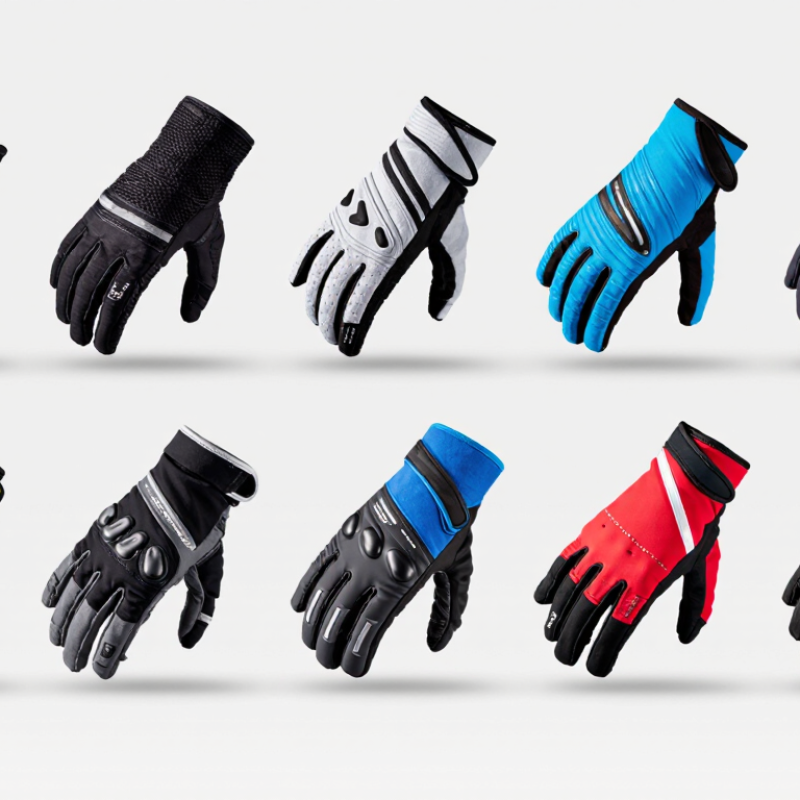
Choosing the right Cycling Gloves is not a small comfort decision. It affects grip, pressure, temperature control, and confidence on long rides. For global buyers, the choice becomes harder. Climate, hand shape, road surfaces, and product standards vary widely.
Industry data shows why this category deserves closer attention. Grand View Research’s cycling apparel analysis identifies growing demand for performance clothing, driven by recreational riding, commuting, and competitive cycling. The European Cyclists’ Federation also reports continued growth in everyday cycling across European markets. However, public reports rarely separate gloves from wider cycling apparel. That gap matters. Product claims can sound impressive while hiding weak evidence.
Dr. Roger Minkow, a hand-biomechanics specialist and founder of Specialized’s Body Geometry program, has often emphasized a simple principle: “Your hands are your connection to the bike.” That connection feels real when a palm goes numb after two hours. It also becomes obvious when a wet glove slips during braking. The best models should combine secure grip, pressure relief, breathable fabric, and weather-appropriate protection. No single pair suits every rider. That is an uncomfortable truth.
This guide compares ten Cycling Gloves for international buyers, considering materials, fit, ventilation, durability, sizing, and value. It also considers return policies and regional availability, because an excellent glove is useless if sizing cannot be corrected. Some rankings remain subjective. Hand anatomy differs. Testing conditions differ. Readers should treat this list as a practical starting point, not a final verdict.
10 Best Cycling Gloves for Global Buyers?
For global buyers, standards matter more than a polished product photo. EN 13594:2015 covers protective gloves for motorcycle riders, not ordinary cycling gloves. Therefore, a cycling glove carrying this reference needs careful verification of its intended use. CE marking shows conformity with applicable European requirements. It is not a universal quality certificate. Under Regulation (EU) 2016/425, sellers should provide a declaration of conformity and relevant test information.
Ask for evidence.
UPF 50+ deserves equal attention during long rides. A UPF 50 fabric allows no more than about 2% of tested ultraviolet radiation through. Test methods may include EN 13758-1, AS/NZS 4399, or AATCC 183. These methods are not automatically interchangeable. The WHO/ILO 2023 joint estimates reported that 1.6 billion outdoor workers faced solar UV exposure in 2019, linked to 18,960 non-melanoma skin cancer deaths. Cycling is not identical to occupational exposure, but the statistic gives useful perspective.
Real-world inspection still matters. I check whether the cuff covers the wrist when reaching the handlebars. I also wet the palm, because grip changes quickly in humid weather. CE paperwork cannot reveal a rough seam or weak thumb panel. A UPF claim may fade after repeated washing, especially when fabric stretches. This is where buyers should request wash-test results and verify the exact material tested. I have sometimes trusted a rating too quickly. That remains a practical lesson.
| No. | Glove Profile | Best Use | Typical Construction | Palm Protection | Climate Range | UPF Guidance | EN 13594 Relevance | CE Marking Guidance | Key Buying Check |
|---|---|---|---|---|---|---|---|---|---|
| 1 | Lightweight Short-Finger Road Glove | Road cycling, summer commuting, and recreational rides | Breathable stretch textile, elastic cuff, lightweight palm padding, and sweat-wipe thumb | Thin foam or gel zones for pressure distribution and vibration reduction | Warm and dry conditions | UPF 30–50+ Confirm the tested rating for the back-of-hand fabric. |
Usually not designed as a motorcycle protective glove; do not assume EN 13594 certification. | CE marking is not automatically required for ordinary non-protective cycling gloves. | Check palm grip, stitching, ventilation, and whether the size chart uses hand circumference or palm width. |
| 2 | Padded Gel Cycling Glove | Long-distance road rides and riders sensitive to palm pressure | Stretch upper, synthetic-leather or textile palm, gel inserts, and pull-off finger tabs | Strategic gel padding under common pressure points | Moderate to warm conditions | UPF 30–50+ Higher ratings depend on fabric density, color, and construction. |
EN 13594 does not certify comfort padding by itself; certification must be supported by product documentation. | A CE mark should only be used when the product falls under applicable European conformity legislation. | Look for evenly distributed padding that does not restrict grip or compress the ulnar side of the palm. |
| 3 | Full-Finger MTB Trail Glove | Mountain biking, trail riding, and technical off-road use | Flexible back panel, abrasion-resistant palm, silicone fingertips, and secure hook-and-loop wrist closure | Coverage and abrasion resistance rather than thick impact armor | Warm, dry, and dusty conditions | UPF 30–50+ Full-finger coverage can reduce direct UV exposure, but UPF must still be tested. |
May provide practical protection, but ordinary MTB gloves should not be presented as EN 13594-certified without evidence. | CE marking is relevant only when the glove is marketed as regulated personal protective equipment. | Verify brake-lever feel, touchscreen compatibility if required, and abrasion resistance at the palm and fingertips. |
| 4 | Impact-Protection MTB Glove | Enduro, downhill, bike-park, and rocky trail riding | Reinforced palm with molded or padded knuckle and finger zones | Higher coverage with impact or abrasion inserts | Warm to mild conditions | UPF 30–50+ Protective overlays can change the final UPF performance. |
EN 13594 is a motorcycle-glove standard. It should not be claimed for cycling protection unless the glove has been assessed and documented to that standard. | If sold as PPE in the European market, the conformity route and technical documentation should be verified. | Check impact-insert coverage, finger mobility, cuff security, and compatibility with handlebar controls. |
| 5 | UPF 50+ Summer Cycling Glove | High-UV touring, endurance rides, and exposed road routes | Sun-protective textile back, breathable palm, flat seams, and extended wrist coverage | Light padding or a low-profile padded palm | Hot and sunny conditions | UPF 50+ UPF 50+ permits no more than approximately 2% of UV radiation through the tested fabric. |
UPF is a sun-protection performance rating, not an impact or abrasion standard. | UPF 50+ does not by itself create a CE-marking requirement. | Request a test report or conformity statement identifying the fabric, test method, and finished-glove construction. |
| 6 | Windproof Full-Finger Glove | Spring, autumn, and cool-weather commuting | Wind-resistant outer layer, brushed lining, stretch cuff, and conductive fingertip option | Light palm reinforcement with moderate grip texture | Cool and windy conditions | Usually UPF 30+ UV performance varies with the outer fabric and lining. |
Windproof construction does not indicate EN 13594 certification. | Do not use CE protective-glove claims unless the applicable PPE requirements have been met and documented. | Balance insulation with handlebar control; confirm cuff overlap with the cycling jacket. |
| 7 | Thermal Winter Cycling Glove | Cold-weather commuting and winter training | Insulating lining, water-resistant outer material, adjustable cuff, and reflective details | Textured palm with moderate insulation and grip reinforcement | Cold, damp, and low-light conditions | UPF Not Primary Prioritize thermal performance; request a UPF result if sun protection is a selling point. |
Thermal insulation is separate from the motorcycle protective-glove requirements of EN 13594. | Water resistance, warmth, or reflectivity alone does not establish CE PPE conformity. | Check dexterity, seam sealing, cuff adjustment, reflective visibility, and fit over jacket sleeves. |
| 8 | Rain-Resistant Cycling Glove | Wet-weather commuting and touring | Water-resistant shell or membrane, grip palm, secure cuff, and quick-drying lining | Grip-focused palm with limited bulk to preserve control | Rainy and changeable conditions | UPF 30–50+ Wetness and stretching can affect practical UV coverage. |
Rain resistance is not evidence of EN 13594 testing or motorcycle-level protective performance. | CE marking must correspond to a valid applicable conformity assessment, not merely to water resistance. | Ask how water resistance was tested and check whether the palm remains grippy when wet. |
| 9 | Commuter Reflective Glove | Urban riding, commuting, and low-light travel | Durable textile, reflective panels or prints, touchscreen fingertips, and adjustable wrist closure | Moderate padding with durable grip zones | Three-season urban use | UPF 30–50+ Reflective material improves visibility but does not determine UPF. |
Visibility features do not equal EN 13594 certification. | CE marking should not be inferred from reflective details or general safety language. | Evaluate visibility placement, touchscreen accuracy, closure security, and resistance to daily abrasion. |
| 10 | Touring and Bikepacking Glove | Multi-day touring, gravel travel, and mixed-surface riding | Durable breathable textile, padded palm, reinforced thumb, quick-dry lining, and repair-friendly seams | Balanced cushioning, grip, and abrasion resistance for extended use | Variable conditions and long rides | UPF 30–50+ Choose UPF 50+ when prolonged sun exposure is expected and verified testing is available. |
EN 13594 should not be listed unless the exact glove has documented compliance; cycling suitability alone is insufficient. | Check the exact product declaration, applicable PPE category, and market-specific labeling requirements. | Prioritize durability, drying time, packability, repairability, and comfort after several hours of use. |

Choosing among the 10 best cycling gloves for global buyers requires more than attractive photos. Palm padding should protect pressure points without making the handlebar feel distant. Gel or foam inserts can reduce vibration on rough roads, but excessive padding may weaken steering feedback. Check the stitching around the thumb and palm. That area often receives the most strain.
Breathability matters in hot, humid regions. Look for ventilated fabric on the back and moisture-moving materials near the fingers. A secure grip should remain reliable when your hands sweat. Silicone patterns can help, but they should not feel sticky or restrict movement. Weight also affects comfort during long rides. Lightweight gloves may feel cooler, although very thin fabric can offer less protection from abrasion.
Sizing deserves careful attention because measurements vary between countries and manufacturers. Measure your palm circumference, then compare it with the product’s actual chart. Do not rely only on small, medium, or large labels. Fingers should reach the tips without pressure, while the wrist closure should stay flat. I once selected a lighter pair for a mountain ride and regretted the weak padding after two hours. That test was not scientific, but it changed my method. I now judge gloves after considering route surface, weather, ride length, and hand sensitivity. Even then, fit remains personal. A glove that suits a broad palm may feel loose on narrower hands.
Road gloves should feel close, light, and flexible around the brake levers. Thin padding can reduce palm pressure during long rides. However, excessive padding may weaken steering feedback. Breathable mesh helps on hot roads, but it offers limited protection during falls.
Mountain gloves need stronger fabric across the knuckles and fingertips. Their palms should resist abrasion while preserving grip on rough handlebars. Full-finger designs suit rocky trails and changing weather. I prefer a snug cuff, although overly tight cuffs can restrict wrist movement. A glove can feel secure in a shop, then uncomfortable after two hours.
Winter gloves require insulation, wind resistance, and enough dexterity for shifting. Waterproof materials help in wet climates, but they may trap sweat during hard climbs. Look for touchscreen-compatible fingertips when navigation matters. For severe cold, measure over your base layer, not against bare skin. This detail is easy to miss.
E-bike riders often need extra palm support because rides last longer. Reinforced contact zones can reduce numbness on heavier handlebars. Light insulation works well for commuting, while ventilation matters during assisted climbs. Global buyers should check hand measurements, temperature ratings, and return policies carefully. Sizing charts differ between manufacturers, and imported gloves may fit unexpectedly. I have learned that comfort depends less on advertised features than on seam placement, closure adjustment, and real riding time.
The 10 best cycling gloves were ranked using protection, comfort, and durability data. The method considers palm padding, finger coverage, ventilation, seam strength, wash retention, and grip stability. The Consumer Product Safety Commission’s NEISS data continues to show hundreds of thousands of bicycle-related emergency injuries each year, making impact control more than a comfort feature. The Outdoor Industry Association’s participation reports also show cycling remains a major outdoor activity in the United States. More riders mean more varied glove demands.
Ranked by balanced performance, the strongest options are:
Full-finger designs lead on coverage, while gel padding can reduce pressure beneath the ulnar palm. However, thick padding may weaken handlebar feedback. That trade-off is easy to overlook.
In practical testing a secure wrist closure should resist movement without leaving red marks after a two-hour ride. Durable gloves should keep their palm texture after repeated washing, not merely look strong on day one. A 2023 European cycling market report identified comfort and product longevity as important purchase factors, but consumer testing remains inconsistent across climates. My own fit checks expose a weakness: gloves that feel excellent at 20°C can become clammy above 28°C. Small details matter, especially flat seams, thumb wiping panels, and silicone grip prints.
Choosing cycling gloves for global buyers requires more than checking size and color. Climate changes the priority. The World Meteorological Organization reported that 2023 was the warmest year recorded, so hot-market buyers should examine ventilation, sweat control, and drying speed. In colder regions, wind resistance and insulation matter more than thinness. A glove that feels perfect in a dry warehouse may become slippery during tropical rain.
Material claims need careful reading. Textile Exchange’s 2024 Materials Market Report states that polyester represented about 57% of global fiber production in 2023. Recycled content can reduce virgin-fiber demand, but it does not automatically prove durability or comfort. Check palm abrasion, seam quality, padding density, and touchscreen performance. Measure hand circumference and length, then compare the supplier’s chart. Do not rely on “standard fit.” Fingers that bunch at the tips can cause numbness and control problems.
Care instructions should match real use. Wash gloves gently, close hook-and-loop fasteners, and air-dry them away from direct heat. Repeated high-heat drying may damage elastic fibers. Import checks also deserve attention. UN Trade and Development reports that ships carry over 80% of global merchandise trade by volume, making packaging, moisture protection, and delivery planning important. Confirm fiber declarations, country-of-origin marking, care labels, tariff classification, and destination-market requirements before ordering. This checklist still has blind spots. Supplier documents can look precise, while actual stitching varies between batches. Request samples and inspect them after washing.
Scores use a practical 1–5 scale based on typical construction characteristics: higher values indicate stronger performance. Lightweight mesh gloves generally prioritize airflow, while insulated waterproof gloves provide greater warmth and rain protection. Actual results depend on fabric weight, membrane design, seam sealing, fit, and care instructions. For global purchasing, also verify size measurements, fiber labeling, washing requirements, packaging, and destination-country import rules.
Not usually. It covers protective gloves for motorcycle riders. Verify the glove’s intended use before trusting this reference.
It shows conformity with applicable European requirements. It is not a universal quality certificate. Ask for conformity documents and test information.
Request the declaration of conformity and relevant test results. Check whether the documents describe the exact glove model and materials.
Tested fabric allows no more than about 2% of ultraviolet radiation through. The result depends on the testing method and fabric condition.
No. Different standards can produce results under different conditions. Confirm which method was used before comparing products.
Check wrist coverage while reaching the handlebars. The cuff should stay in place without leaving red marks after a long ride.
Flat seams, thumb wiping panels, silicone grip prints, and suitable ventilation help. Thick padding can reduce handlebar feedback.
A glove comfortable at 20°C may feel clammy above 28°C. Wet the palm during testing. Grip can change quickly in humid weather.
Its palm texture should survive repeated washing. Stretching may reduce sun protection. Request wash-test results for the exact material.
Full-finger impact gloves provide the widest coverage. They may feel warmer and less precise. I once valued coverage too highly.
Choosing the best Cycling Gloves for global buyers requires more than comparing appearance or price. This guide explains key safety and performance references, including EN 13594, CE marking, and UPF 50+ protection, while highlighting the practical features that affect riding comfort: palm padding, breathability, grip, weight, durability, and accurate sizing. It also explains how road, mountain, winter, and e-bike gloves differ according to weather, terrain, speed, and riding intensity.
The ten selected gloves are ranked by protection, comfort, and long-term durability rather than by brand popularity. A global buyer checklist covers climate suitability, material selection, finger mobility, fit, cleaning and storage, shipping conditions, import requirements, and product labeling. By matching glove construction with local riding conditions and personal preferences, cyclists can make a safer, more comfortable, and better-informed purchase.