// Strategic Sourcing Insights //
Future Procurement & Industry Sourcing Trends for Soccer Uniforms
The global athletic apparel landscape is undergoing a structural shift driven by sustainability mandates, supply chain agility, and digital micro-fulfillment. Procurement officers and brand owners must adapt their sourcing strategies to stay competitive.
1. Sustainable & GRS-Certified Recycled Polyester (rPET)
Modern soccer organizations demand environmentally responsible manufacturing. The transition from virgin petroleum-based polyester to Global Recycled Standard (GRS) certified rPET, synthesized from post-consumer plastic bottles, is now standard. Recycled polyester maintains identical tensile strength, hydrophobic behavior, and sublimation ink receptivity while reducing carbon emissions by up to 32% compared to virgin synthetics.
2. Near-Zero Inventory & Micro-Batch Sublimation Agility
Traditional high-MOQ mass manufacturing is giving way to agile, on-demand production cycles. Wholesalers and online custom apparel platforms require rapid turnaround on mid-season replenishment, player name replacements, and specialized cup-competition jerseys. Factories with integrated digital sublimation facilities permit batch runs as low as 50 pieces per design, allowing brands to minimize warehousing inventory risks.
3. ESG Compliance & Factory Traceability
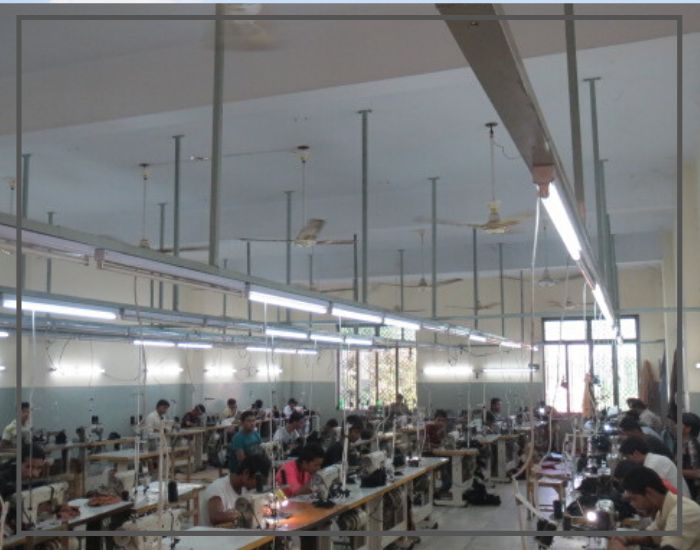
Global regulatory frameworks require strict compliance regarding labor standards, chemical usage (REACH compliance), and factory safety. Sourcing from third-generation manufacturing units in Sialkot provides full transparency — with documented fabric mill sources, zero hazardous chemical dyes, and fair wage social audits giving global buyers total regulatory security.