Choosing among the best custom tracksuit manufacturers in China takes more than comparing prices. A polished sample can still hide problems with sizing, stitching, fabric consistency, or communication. Look closely at the details: ribbed cuffs that recover after stretching, smooth zipper action, and color that matches across the jacket and trousers. Small checks matter.
China-based apparel sourcing specialist Lin Wei puts the principle simply: “A reliable tracksuit partner proves consistency in the sample, the production line, and the finished order.” That is a useful standard, though buyers should verify it with their own specifications and inspections. One sample is not enough. Ask how the factory handles size grading, logo placement, fabric weight, and changes after approval. Request clear production timelines and written confirmation of materials.
This guide introduces manufacturers that offer custom development, private labeling, and production support for different order needs. It also considers communication, quality controls, and the practical steps between a design file and packed garments. The best fit depends on your product, budget, and required order volume—not a ranking alone. Be cautious of promises that sound effortless. Manufacturing rarely is. A clear tech pack, agreed sample comments, and realistic deadlines can prevent avoidable surprises, but they cannot replace careful follow-up. That is worth remembering.
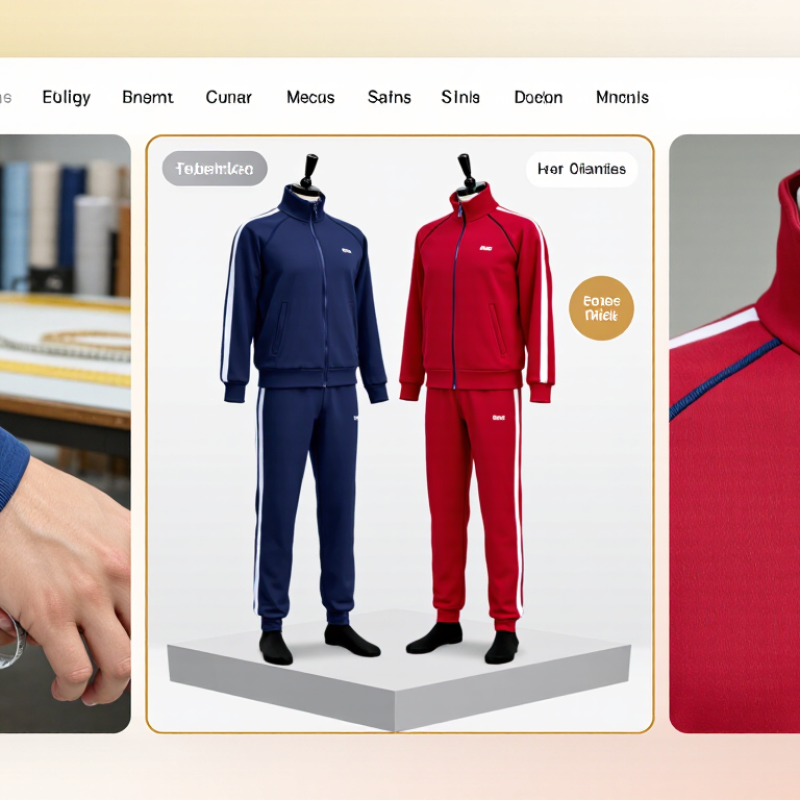
Overview of Custom Tracksuit Manufacturing in China
China’s custom tracksuit manufacturing combines fabric sourcing, pattern development, printing, cutting, sewing, and finishing. Many factories can handle several of these stages in-house, while others rely on nearby specialist suppliers. This can affect lead times and quality consistency. Ask who handles each stage.
Fabric choice shapes the garment’s weight, stretch, breathability, and appearance. Polyester blends are common for training wear, while brushed interiors can add warmth for cooler conditions. Buyers should specify fabric weight, color references, zipper type, pocket depth, and fit measurements. Small details matter. A sample helps reveal issues that a specification sheet may miss, such as cuffs that feel tight or seams that twist after washing.
Reliable sourcing involves more than comparing unit prices. Request a pre-production sample, confirm the size range, and agree on inspection points before bulk cutting begins. Checks can include measurements, seam strength, color consistency, and print alignment. Ask how defects are recorded and corrected. Communication may slow down when technical terms are vague, so annotated drawings and written revisions are useful. One point deserves extra scrutiny: a polished sample does not guarantee every production piece will match it. Independent or documented batch checks can reduce that gap, though they add time and cost.
How Custom Tracksuits Are Designed and Produced
A custom tracksuit starts with a clear design brief: intended use, fit, fabric weight, colors, and required features. A training set may need breathable panels and secure pockets, while a travel set may favor a softer, heavier knit. The Textile Exchange Materials Market Report 2024 estimates that global fiber production reached 124 million tonnes in 2023, with polyester making up about 57%. That scale makes fiber choice worth careful discussion. Recycled polyester, cotton blends, and different knit constructions each affect hand feel, stretch, drying time, and cost. No fabric is perfect.
The design team turns the brief into a tech pack with measurements, seam details, artwork placement, and trim specifications. A manufacturer then develops a pattern and sample, often adjusting sleeve length, waistband tension, or knee shaping after a fitting. Small details matter. Color approval should use physical swatches where possible, since screens can misrepresent shades. After approval, fabric is inspected, cut, sewn, and finished; checks may include garment measurements, seam strength, and color consistency. A pilot run can reveal issues before bulk production, though it adds time. That step is sometimes rushed, and it shouldn’t be. Clear records of sample changes and inspection results help buyers assess production quality across an order.
Criteria for Evaluating Chinese Tracksuit Manufacturers
A dependable custom tracksuit manufacturer should show more than attractive catalog photos. Request a sample made with your intended fabric, trims, and fit. Check seam strength, zipper movement, print alignment, and pocket placement in person. One detail matters.
Ask for fabric weight, fiber composition, and shrinkage results after washing. Compare these figures with the sample, not just a specification sheet. Colorfastness can also affect how a tracksuit looks after repeated wear. If test records are unavailable, arrange independent testing before approving bulk production.
Review the factory’s quality-control records and ask who checks garments during cutting, sewing, and packing. A clear answer is more useful than a broad promise of “strict inspection.” Confirm minimum order quantities, sample fees, production capacity, and lead times in writing. Then compare the proposed schedule with the factory’s current workload. Communication deserves a practical test: send a detailed measurement chart and see whether questions come back promptly. No checklist is perfect. Even a strong sample cannot guarantee every bulk garment will match it, so agree on inspection points and acceptable tolerances before production starts.
Notable Custom Tracksuit Manufacturers in China
Notable custom tracksuit manufacturers in China are best assessed by their production controls, not showroom photos. Look for documented experience with brushed fleece, interlock knit, and stretch performance fabrics. Ask how they manage pattern grading, fabric shrinkage, zipper placement, and color matching across repeat orders. Textile Exchange’s Materials Market Report 2024 estimates global fiber production reached 124 million tonnes in 2023, with polyester making up about 57%. That scale makes recycled and conventional polyester options common, but material claims still need supporting documentation. Samples matter.
A capable factory should explain its minimum order quantities, sample timeline, and inspection steps before quoting. Request a pre-production sample, then check seam strength, waistband recovery, print alignment, and colorfastness after washing. Ask for recent test records and clarify whether testing covers the finished garment or only its fabric. China’s manufacturing capacity is broad, but quality varies between suppliers and even production runs. A polished sample can hide inconsistent bulk workmanship. I would also confirm who controls subcontracting, since an undisclosed production change can affect fabric feel, sizing, and delivery dates. These details offer a more reliable comparison than a low unit price alone.
How to Select the Right Manufacturer for Your Brand
Choosing a custom tracksuit manufacturer in China starts with the product, not the factory’s sales pitch.
Define your fabric weight, fit, trims, size range, and target order volume before requesting quotes. Textile Exchange’s Materials Market Report 2024 estimates that polyester made up 57% of global fiber production in 2023. That scale makes polyester options common, but it does not guarantee consistent fabric quality. Ask for composition records and test reports for the exact fabric proposed.
Request a sample using your real specification. Check the zipper, pocket depth, seam stretch, and how the fabric feels after washing. Ask how the factory handles color matching, size grading, defects, and repeat orders. Compare sample and bulk-production timelines, minimum quantities, and payment terms in writing. A low unit price can hide costly compromises. It is easy to focus on stitching and overlook fit; even a neat sample may not reflect bulk consistency. Review production photos or arrange an independent inspection before shipment.
Tips: Send a measurement chart and reference garment, then approve a pre-production sample. Record fabric composition, color codes, and tolerances. Keep one approved sample for comparison. If a supplier avoids clear answers, pause—though a slow reply alone is not proof of poor workmanship.
Conclusion
China’s custom tracksuit industry offers a range of production options, from small-batch orders to large-scale manufacturing. Creating Custom Tracksuits typically involves choosing fabrics, colors, cuts, and functional details, followed by pattern development, sample approval, cutting, sewing, and quality checks. Clear specifications and regular communication help ensure that the finished garments match a brand’s intended style and performance needs.
When evaluating manufacturers, consider their experience, production capabilities, material options, customization services, quality-control process, minimum order quantities, and lead times. The right partner should understand your requirements, provide samples for review, communicate reliably, and offer transparent pricing. Comparing several manufacturers against these criteria can help you select a suitable supplier and build a consistent, dependable production relationship.