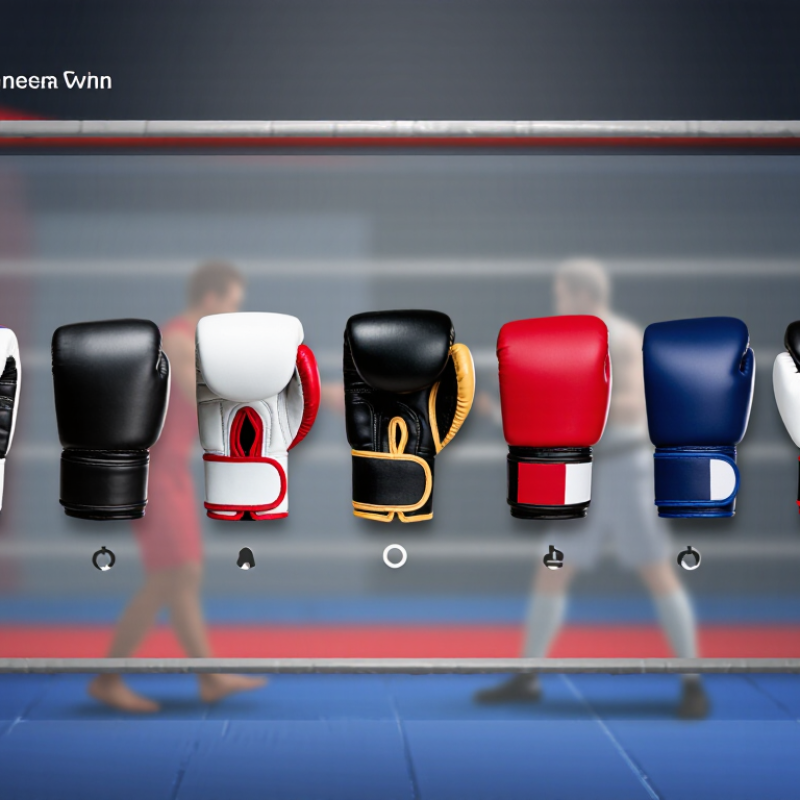
Choosing MMA Gloves is not a style decision alone. The right pair should support secure wrist alignment, comfortable movement, and dependable protection during drills and live training. Fit matters in small ways: a loose thumb, cramped fingers, or shifting wrist strap can become distracting after several rounds.
A useful evidence point comes from a peer-reviewed review by Lystad, Gregory, and Wilson, published in the Orthopaedic Journal of Sports Medicine in 2014. It estimated 228.7 injuries per 1,000 athlete-exposures across the included MMA studies. That figure covers many injury types and settings; it does not prove that one glove design prevents injuries. Still, it explains why buyers should look beyond appearance and compare padding, closure, materials, and intended use.
Training needs vary. A glove suited to bag work may feel bulky during grappling, while a competition model may offer less coverage than a beginner expects. Check the current rules of your event’s sanctioning body, since approved glove weight and equipment requirements can differ. Then assess each pair with wraps on, checking fist closure and wrist support. Small details count.
This guide compares ten options for training and competition, with attention to construction, fit, and practical use. Product specifications can change, and “best” is personal. That deserves a second look. A careful try-on may tell you more than a polished product photo.
MMA gloves balance hand protection with the need to grip, post, and control an opponent. Their open palms and separated fingers allow grappling, while dense padding covers the knuckles. A secure wrist closure helps limit glove movement during punches. Fit matters. If the glove shifts or pinches, even good padding may feel distracting during pad rounds or clinch work.
Competition rules offer a useful reference point. The Association of Boxing Commissions and Combative Sports’ Unified Rules specify gloves weighing 4 to 6 ounces, with padding requirements for competition. Training gloves may use more padding, but extra bulk can make gripping harder. A 2014 systematic review in Sports Medicine reported a pooled MMA injury rate of 228.7 injuries per 1,000 athlete-exposures (Lystad et al.). That figure describes injury incidence, not glove performance; it does not show that a particular design prevents injury. Check stitching, wrist support, and finger mobility, then test the fit with light bag work and grappling drills. My own fit assessment would still be incomplete without trying the gloves after they warm up and soften.
How to Evaluate MMA Gloves for Training and Competition
Start with fit, then check protection. A glove should sit snugly without pinching your knuckles or restricting finger movement. Make a fist and open your hand; the wrist closure should stay flat, not dig into your skin. The Association of Boxing Commissions’ Unified Rules specify competition gloves weighing four to six ounces, subject to event approval. Training gloves may differ, so confirm the rules for your event. Open fingers help with grappling, but exposed fingertips also need room to move freely.
Inspect the padding across the knuckles and the stitching near the thumb. Uneven padding or loose seams can become uncomfortable during repeated bag work. The British Journal of Sports Medicine’s 2014 systematic review reported a pooled rate of 228.7 injuries per 1,000 MMA athlete-exposures. That figure covers many injury types; it does not prove that one glove design prevents them. Test your choice on a bag, then during controlled grappling. A glove can feel secure in a shop yet shift after ten minutes—a small detail that is easy to overlook.
Tips: Try gloves with hand wraps on. Check for pressure, slipping, and pinched fingers. Replace damaged pairs; padding wears down.
A useful side-by-side comparison of ten MMA gloves starts with fit, padding, wrist support, and intended use. All-around training gloves balance impact protection with enough flexibility for grappling. Lighter, competition-style designs feel less bulky, while heavily padded pairs suit repeated bag work better. Open-palm cuts improve grip and airflow, but can leave more skin exposed during drills. Some gloves secure the wrist with a wide strap; others feel less restrictive but may shift during hard rounds.
The remaining differences show up in small details. A rounded thumb can reduce snagging, while a stiff thumb panel may limit movement. Dense foam can feel reassuring on a heavy bag, yet make clinching awkward. Softer padding often bends naturally, though it may compress sooner with frequent use. Stitching, palm openings, and the edge of the wrist strap deserve a close look. A glove that looks protective on a shelf can still rub at the thumb joint. Fit matters most.
Tips: Try gloves with hand wraps, then make a fist and open your hand several times. Check that fingertips do not press against the glove and the wrist strap stays flat. Compare pairs using the same movements, not appearance alone. For competition, confirm the event’s equipment requirements before choosing; approved designs can vary. A little uncertainty is normal—comfort during one brief try-on may not predict comfort after five rounds.
| Rank | Glove Type | Typical Weight | Padding & Coverage | Best For | Key Advantage | Important Limitation |
|---|---|---|---|---|---|---|
| 1 | Competition open-palm glove | Usually around 4 oz; event rules vary | Compact padding over the knuckles; fingers and palm mostly open | Sanctioned MMA competition | Allows grappling and hand control | Limited protection for repeated hard bag work; must meet the event’s equipment rules |
| 2 | All-purpose training glove | Commonly about 6 oz | Moderate knuckle padding with an open palm and exposed fingertips | Mixed striking and grappling practice | Balances hand mobility with more padding than many competition gloves | May not provide enough cushioning for frequent hard sparring |
| 3 | Extra-padded sparring glove | Often about 7–8 oz | Thicker, broader knuckle padding; open-finger construction | Controlled MMA sparring | Extra padding can make partner training more comfortable | Bulkier feel may reduce grip and hand mobility; gym approval is recommended |
| 4 | Hybrid grappling glove | Typically about 6–7 oz | Moderate padding with a flexible palm and separated finger openings | Sessions alternating between clinch work, grappling, and light striking | Designed to accommodate both gripping and striking drills | Usually a compromise rather than the most protective choice for either activity |
| 5 | Bag-training MMA glove | Commonly about 6–8 oz | Reinforced knuckle area; palm and fingers remain open | Bag and pad work | Open-finger design keeps the hand closer to an MMA-specific feel | Padding and wrist support vary widely; hand wraps are often used |
| 6 | Wrist-support training glove | Usually about 6–8 oz | Standard MMA padding with a longer or more supportive wrist closure | Striking drills for athletes who prefer added wrist stability | More substantial wrist fastening than a simple short strap | A supportive closure cannot replace sound punching technique or proper fit |
| 7 | Lightweight competition-style glove | Often around 4–5 oz | Low-profile knuckle padding; open palm and fingers | Technical drills and competition familiarization | Light feel and strong finger mobility | Not a substitute for padded sparring gloves during hard partner work |
| 8 | Beginner training glove | Commonly about 6–8 oz | Moderate padding; adjustable wrist closure and open-finger design | Introductory classes and general drills | Versatile starting point for learning basic MMA glove fit and handling | Beginners should confirm the model is suitable for their gym’s sparring policy |
| 9 | Grappling-focused open-palm glove | Usually about 5–7 oz | Minimal palm obstruction with flexible finger sections and compact padding | Wrestling, clinch, and submission-grappling drills with occasional light striking | Leaves the fingers available for gripping | Offers less knuckle cushioning than heavily padded training designs |
| 10 | Closed-palm hybrid glove | Varies; often heavier than a minimal competition glove | More enclosed hand coverage, with a design that may limit finger exposure | General fitness striking and selected drills | Additional material can provide a more enclosed feel | May restrict grappling; check that the design is allowed for the intended activity |

Weight ranges and construction are typical of these glove categories, not specifications for a particular product. Actual weight, padding, fit, and permitted equipment vary by model, size, gym, and competition rules. For sparring or competition, follow your coach’s guidance and the event’s requirements.
Training gloves are built for repeated practice, so they often have more padding and a roomier feel than competition gloves. On a heavy bag, that cushioning can soften the sting across your knuckles during long rounds. A secure wrist closure also helps limit unwanted movement, though it cannot replace sound punching technique. Fit matters. Gloves that shift when you make a fist can rub the skin or make your hand feel unstable.
Competition gloves are usually lighter and more compact, with padding and weight set by the event’s rules. The tighter shape can make hand movement feel more direct, but it may offer less cushioning during hard sessions. Check the rules for your event before choosing; glove weight, construction, and approval requirements can vary. For partner drills, use gloves intended for sparring, since a competition-style glove may not provide enough protection for your training partner. That changes everything. A common mistake is treating one pair as ideal for every session. It may work for a while, but the trade-off becomes clear after repeated bag work or sparring. Keep the intended use, fit, and rule requirements in mind when comparing gloves.
Competition gloves are commonly around 4 oz, while training gloves are often heavier for bag work or sparring. Actual weights vary by model, ruleset, and intended use; check event regulations before competing.
Choosing MMA gloves starts with their purpose. Training gloves need enough padding for repeated bag and partner work, while competition gloves prioritize a close fit and finger mobility. The Association of Boxing Commissions’ Unified Rules of Mixed Martial Arts specify competition gloves generally weigh 4–6 ounces, with approved exceptions for larger hands. Check your event’s requirements before buying; rules can vary.
Fit matters most. Try gloves with your hand wraps on, then make a fist and grip lightly. Your fingertips should reach the ends without feeling crushed, and the wrist closure should stay secure when you rotate your hand. Open fingers help with grappling, but loose seams or a shifting thumb can distract you during drills. More padding is not automatically better. A bulky glove may feel safer on a heavy bag yet make hand-fighting awkward. I’d reassess fit after several sessions, since padding can soften and the glove may move differently.
Tips: Match the glove to the session, not just the product label. For frequent sparring, ask your coach which padding and weight are appropriate. Air gloves out after training, and replace them if stitching loosens or support fades. Don’t ignore a poor fit.
They protect the knuckles while leaving fingers open for gripping, posting, and grappling. Fit matters.
They should feel snug without pinching your knuckles or crushing your fingertips. Make a fist, open your hand, and rotate your wrist. The closure should stay flat.
Competition gloves generally weigh four to six ounces under common unified rules. Event requirements can vary, so check before buying.
Training gloves may have extra padding for bag and partner work. Too much bulk can make gripping awkward. Not always better.
Check the knuckle padding, thumb stitching, and wrist closure. Loose seams or uneven padding may rub during repeated drills.
Yes. Wraps change how much room your hand needs. Test a light fist and grip, then check for pressure or slipping.
Yes. Padding can soften, and a glove may shift after warming up. I might miss that change during a quick shop fitting.
Replace them if stitching loosens, padding wears down, or wrist support fades. Air them out after training, too. Small habits help.
MMA Gloves are designed to protect the hands while allowing the movement and grip needed for mixed martial arts. Their construction, padding, fit, wrist support, and durability can all affect comfort and performance. When evaluating gloves for training or competition, consider how they feel during striking and grappling, whether they stay secure, and whether their padding suits your intended use. A side-by-side comparison of ten options can help highlight differences in these features and make the choices easier to understand.
Training gloves and competition gloves are made for different priorities: training pairs often emphasize comfort and repeated use, while competition pairs may favor a closer fit and a specific balance of protection and mobility. To choose the right MMA Gloves, think about your experience level, training routine, fit preferences, and the requirements of your event. The best choice is one that feels secure, supports your needs, and is appropriate for how you plan to use it.