Factory: Sialkot, Pakistan Email: [email protected] Phone: (+92) 300 8467161
0%

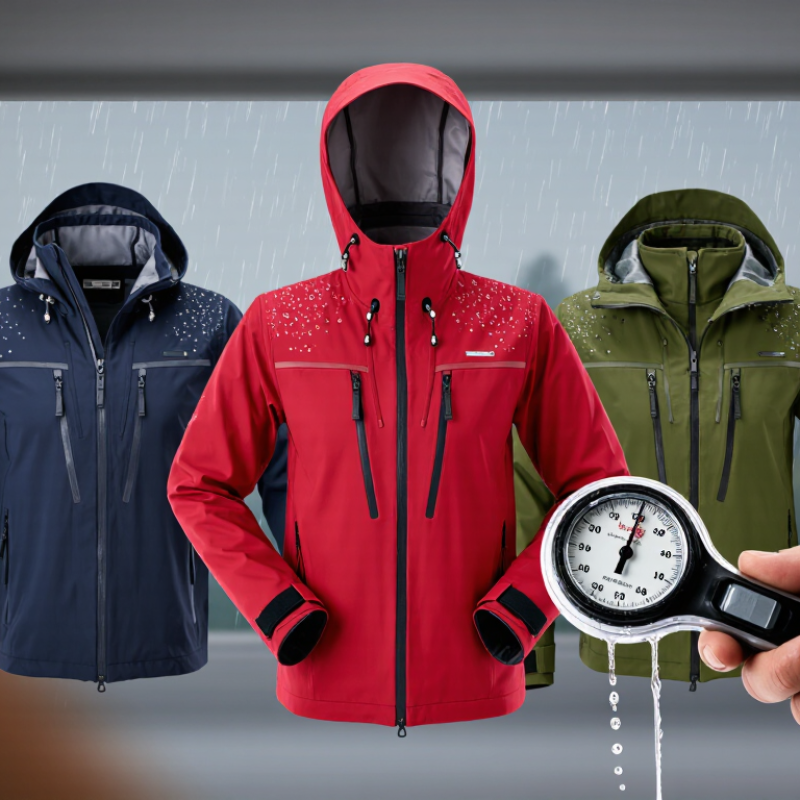
Global sourcing for Waterproof Rain Jackets is not just a question of choosing a fabric that repels water. Buyers must assess construction, performance claims, supplier consistency, and the conditions in which each jacket will be worn. A sample may look convincing under showroom lights. The seams, zipper cover, and hood adjustment tell a more useful story when tested in steady rain.

As no source article or verifiable expert quotation was provided, I can’t responsibly attribute a quotation to a named industry expert. A practical sourcing principle, written here as editorial guidance rather than a real quotation, is: “Judge the jacket by its tested performance and repeatable production, not by its label alone.” That distinction matters. A waterproof coating can lose effectiveness through wear, while poor seam sealing may let water in even when the fabric performs well. Ask suppliers for test documentation, clarify the test method, and compare results across production batches. Also check breathability and fit; a jacket that keeps rain out but traps heat may not suit its intended users.

Good sourcing involves trade-offs. Higher specifications can raise cost, and a promising sample does not guarantee consistent bulk production. Request clear material details, inspect finished garments, and leave time for corrective changes. The checklist ahead can help buyers ask sharper questions, compare suppliers fairly, and choose Waterproof Rain Jackets suited to real use—not just a product sheet.

How to Choose Waterproof Rain Jackets for Global Sourcing?

Define Performance Requirements for Target Markets and End Users

How to Choose Waterproof Rain Jackets for Global Sourcing?

Define performance requirements before comparing suppliers or fabric prices. A jacket for tropical commuting needs different protection from one used in cold mountain rain. Specify rainfall intensity, wearing duration, temperature range, and activity level. A cyclist may need longer back coverage, while a warehouse worker may prioritize abrasion resistance.

Translate these needs into measurable requirements. Request waterproof testing, breathability data, seam-sealing details, and fabric durability results. Water resistance should cover the fabric, zipper areas, cuffs, hood, and stitched seams. Breathability matters during active use. However, laboratory figures may not reflect real comfort. A wearer carrying a heavy backpack can still feel damp inside.

Think about local habits and maintenance. Some users wash jackets frequently, while others wear them over thick sweaters. Check shrinkage, coating stability, colorfastness, and performance after repeated washing. Ask suppliers for pre-production samples and independent test reports. Then inspect samples under simulated rain, movement, and storage conditions. Test the hood while turning the head. Test pockets with wet hands.

Do not choose the highest rating automatically. It may increase cost, weight, or heat retention without improving the user experience. I have seen sourcing decisions focus heavily on waterproof numbers and overlook noisy fabric, weak cord locks, or uncomfortable cuffs. That approach needs review. Requirements should be agreed with buyers, technicians, and end users before bulk production begins.

How to Choose Waterproof Rain Jackets for Global Sourcing? – Define Performance Requirements for Target Markets and End Users
Target Market / Climate Typical End User and Use Suggested Waterproofness Breathability Guidance Construction and Feature Priorities Validation Checks
Western and Northern Europe
Frequent wind-driven rain and cool, changeable weather
Commuters, walkers, and everyday outdoor users who may wear the jacket for extended periods Consider a hydrostatic-head target of 10,000–15,000 mm for regular rain exposure; specify fully taped seams for sustained wet-weather use Prioritize moisture management and ventilation. If using ISO 11092 RET, a lower value indicates lower water-vapour resistance; set the target to suit activity level and lining system Adjustable hood, storm flap or protected front zipper, secure pockets, hem and cuff adjustment, and durable face fabric Test fabric water resistance to ISO 811; assess finished-garment leakage, seam sealing, zipper protection, and durability after laundering
Southeast Asia
Warm, humid conditions with heavy seasonal rainfall
Urban commuters, cyclists, and travelers needing a lightweight jacket for frequent showers A 5,000–10,000 mm hydrostatic-head target may suit short-duration urban exposure; use higher targets for prolonged or exposed use Emphasize low garment weight, ventilation openings, and a comfortable lining. Do not compare MVTR figures unless the test method and conditions are the same Packable design, mesh-backed vents where suitable, quick-drying lining, adjustable hood, and pockets protected from rain Check rain leakage on the complete garment, drying time, colorfastness to perspiration, and performance after repeated packing and washing
North America
Wide range of climates, from urban rainfall to exposed outdoor conditions
Commuters, hikers, and outdoor users; requirements vary substantially by activity and region Use 10,000–20,000 mm as a product-development range for regular to demanding rain exposure; confirm the final target through intended-use testing For higher-output activities, consider a more breathable fabric and pit or core vents. Specify a consistent test method, such as ISO 11092 RET, for supplier comparisons Reinforced high-wear areas for hiking styles, articulated sleeves where needed, adjustable hood compatible with intended headwear, and practical layering room Evaluate hydrostatic pressure, seam and zipper leakage, abrasion resistance, and fit over intended base or mid-layers
Japan and South Korea
Humid rainy seasons, showers, and dense urban travel
Public-transport commuters, pedestrians, and travelers who value packability and ease of movement Consider 5,000–10,000 mm for everyday short trips and higher performance where users face prolonged rain or cycling exposure Balance breathability with compact construction; provide usable vents or two-way front-zip adjustment where appropriate Lightweight fabric, compact storage, clean urban styling, adjustable cuffs, and a hood that maintains useful visibility Check hood coverage and peripheral vision on fit models; test finished-garment rain resistance, packability, and zipper operation
Hot, arid, or high-UV regions
Occasional intense rain, strong sun, and large temperature swings
Travelers, outdoor workers, and recreational users who may carry the jacket most of the time Set waterproofness to the expected exposure; a lightweight 5,000–10,000 mm target can be a starting point for brief showers, not a substitute for heavy-rain protection Prioritize low weight, ventilation, and comfortable next-to-skin surfaces; avoid excess lining when warm-weather use is expected Packable construction, secure storage pouch, sun-protective coverage if claimed and tested, and materials suited to heat and abrasion conditions Verify any UV-protection claim using an applicable recognized method; test fabric strength, seam integrity, and coating or membrane performance after storage
Cold, wet, and windy regions
Rain mixed with cold wind; users often wear insulating layers underneath
Daily commuters, field workers, and recreational users exposed to prolonged poor weather Consider 10,000–20,000 mm or a validated equivalent for sustained exposure; use fully sealed seams and weather-protected closures Allow sufficient room for layering and manage internal condensation through fabric selection and adjustable ventilation Layer-compatible fit, adjustable hood and hem, longer coverage where required, storm cuffs, and durable construction at stress points Conduct fit trials over specified layers; assess wind-driven rain leakage, cold-weather zipper function, seam sealing, and wash durability
All target markets
Cross-market sourcing and product specification
Buyers comparing suppliers, materials, and finished-garment performance Treat hydrostatic-head figures as test results, not universal proof of field performance; record the method, specimen condition, and acceptance criteria Specify the breathability method and test conditions. ISO 11092 RET and different MVTR methods measure performance differently and are not directly interchangeable Define fabric layers, seam-tape coverage, zipper and pocket details, fit range, care instructions, and material restrictions in the purchase specification Approve pre-production samples; test bulk materials and finished garments; check restricted-substance and labeling requirements applicable to each destination market

Compare Waterproof Fabrics, Coatings, and Membrane Technologies

When choosing waterproof rain jackets for global sourcing, compare fabric, coating, and membrane performance separately. The shell fabric gives strength and abrasion resistance. Nylon feels smooth and packs small. Polyester often offers better dimensional stability and lower cost. Textile Exchange’s 2024 Materials Market Report estimates polyester represented about 57% of global fiber production in 2023. That scale supports stable sourcing, but it does not guarantee durability or responsible production.

Coatings sit on the fabric surface. Polyurethane coatings are flexible, lightweight, and suitable for everyday rainwear. They can lose performance after repeated washing or abrasion. PVC coatings resist water strongly, but they often feel heavier and less breathable. Membranes work differently. They contain micropores or hydrophilic layers that move moisture vapor outward. A good membrane jacket may feel less clammy during cycling or factory inspections. However, membrane quality depends on seam sealing, face-fabric treatment, and careful garment construction. ISO 811 evaluates hydrostatic resistance, while AATCC 22 measures surface wetting. These tests help, but laboratory results cannot fully predict a muddy, windy workday.

Tips: Request test reports for hydrostatic pressure, moisture vapor transmission, spray rating, washing, and seam leakage. Ask suppliers to test finished jackets, not only fabric swatches. Check performance after five or ten wash cycles. Textile Exchange reports that recycled polyester reached roughly 12% of polyester production in 2023, yet recycled content alone is not proof of quality. I would also compare hand feel, noise, repairability, and minimum order quantities. A higher water column may look impressive. It may still fail at the zipper.

Evaluate Jacket Construction, Seams, Closures, and Fit

When sourcing waterproof rain jackets, inspect construction before discussing price. A strong shell needs fabric, lining, and reinforcement working together. Check whether the fabric specification matches the approved sample. A light shell may feel comfortable, yet it can tear around pocket corners. Add bartacks where stress gathers. However, excessive reinforcement can reduce flexibility. That trade-off deserves testing.

Seams often decide whether a jacket stays dry. Look for consistent stitching, clean seam allowances, and sealed critical seams. Seam tape should lie flat, without lifting around curves or underarm areas. Test it wet. Rub the taped seam after washing and drying. It should not crack or peel. Factory inspection should include water-pressure testing and repeated wear checks, not only visual approval. I have seen attractive samples fail at hood seams. Small defects become expensive returns.

Closures need equal attention. Water-resistant zippers, covered snaps, and storm flaps should operate with wet hands. Test the main zipper while wearing gloves. It should move smoothly, without catching the flap. Fit must allow a base layer and natural arm movement. Measure chest, sleeve, hem, and hood openings across a size set. A tight cuff loses warmth; a loose hood admits rain. Avoid judging fit on one model. Body proportions vary across markets, and grading can hide problems. Recheck the first production run. Samples can flatter the eye.

How to Choose Waterproof Rain Jackets for Global Sourcing?

EN 343 waterproofness classes provide a standardized reference for evaluating jacket fabric and seam protection. Higher classes require greater resistance to water penetration.

Hydrostatic-pressure thresholds shown in pascals (Pa), based on the EN 343 waterproofness classification. During sourcing, verify the fabric construction, fully taped seams, water-resistant closures, and fit together with laboratory test results.

Verify Supplier Capabilities, Certifications, and Quality Controls

How to Choose Waterproof Rain Jackets for Global Sourcing?

A reliable rain jacket begins with a capable supplier, not an attractive sample. Ask for factory records showing fabric testing, seam-sealing experience, and production capacity. Request recent reports for waterproof pressure, spray resistance, colorfastness, and zipper performance. Reports should identify the tested material, method, date, and laboratory. Vague documents create unnecessary risk.

Certifications can support trust, but they require verification. Check the certificate number, issuing organization, validity period, and covered factory location. Quality systems such as ISO 9001 may indicate controlled processes, but they do not guarantee a waterproof jacket. Inspect the cutting room, sewing lines, seam-taping machines, and final inspection area. Ask how defects are recorded and corrected. A clear batch-tracking system matters when problems appear after shipment.

Tips: Order samples from different production batches. Test them under simulated rain, then inspect the inner surface after thirty minutes. Rub the printed care label and examine taped seams after washing. I treat supplier paperwork as evidence, not proof. No checklist catches everything. One overlooked zipper gap can damage an otherwise excellent jacket. Agree on measurable standards before production, including seam tolerance, water-pressure results, packaging, and acceptable defect limits. Keep signed inspection records and photographs for every shipment.

Assess Sampling, Pricing, Lead Times, and Shipping Requirements

When sourcing waterproof rain jackets, begin with a practical sample review. Test the jacket during steady rain, not only under a showroom spray. Check seam sealing, zipper coverage, hood adjustment, and fabric noise. Place a tissue inside the pocket. Moisture reveals weak points quickly. Ask the factory for fabric specifications, waterproof ratings, breathability data, and test methods. Request a pre-production sample before approving bulk materials. A sample may look excellent but fit poorly after grading across sizes. Record every correction with measurements and clear photographs.

Pricing requires more than comparing the unit price. Request a detailed quotation covering fabric, trims, seam tape, packaging, inspection, and tooling. Calculate the landed cost, including freight, insurance, duties, and destination handling. Small changes matter. A heavier fabric can increase shipping costs significantly. Confirm the quotation’s validity period, currency, minimum order quantity, and payment schedule. Some suppliers quote low prices, then add packaging or testing charges later. That experience is frustrating, but it is preventable with written terms.

Lead times should include approval, material purchasing, production, inspection, and shipment. Ask for a dated production schedule rather than a general promise. Add buffer time for failed inspections, public holidays, and port congestion. My cautious estimate is often more useful than an optimistic one. For shipping, compare air, sea, and rail options using carton dimensions and total weight. Confirm export documents, packing lists, labels, and delivery terms. A jacket can leave the factory on time and still arrive late. Track milestones from sample approval to warehouse receipt.

FAQS

Which shell fabric is better for waterproof rain jackets?

Nylon feels smooth, packs small, and offers good abrasion resistance. Polyester often costs less and holds its shape well. Neither fabric guarantees long service. Check tear strength, weight, and performance after washing.

How do coatings and membranes differ?

A coating sits on the fabric surface. A membrane manages moisture vapor through micropores or hydrophilic layers. Flexible coatings suit everyday rainwear. Membranes may feel less clammy during cycling or outdoor inspections.

What waterproof tests should buyers request?

Request hydrostatic pressure, surface wetting, vapor transmission, washing, and seam leakage results. Test finished jackets, not only fabric swatches. Laboratory figures help. They cannot fully copy a muddy, windy workday.

Can a high water-resistance rating guarantee a dry jacket?

No. Zippers, hood seams, cuffs, and pocket corners can still leak. Check the main zipper under running water. A high rating may look impressive, but construction decides much of the result.

How should seams be inspected?

Look for even stitching and clean seam allowances. Seam tape should lie flat around curves and underarms. Rub taped seams after washing and drying. Cracks or lifting indicate trouble.

What fit details matter during sourcing?

Measure chest, sleeves, hems, and hood openings across several sizes. Leave room for a base layer and natural arm movement. A loose hood admits rain. A tight cuff reduces warmth. One model cannot represent every market.

How can buyers evaluate a supplier’s quality controls?

Request dated reports that identify the tested material and method. Inspect cutting, sewing, seam-taping, and final inspection areas. Ask how defects are recorded and corrected. Paperwork is evidence, not proof.

What should be checked before approving production?

Test samples from different production batches. Simulate rain for thirty minutes, then inspect the inner surface. Agree on seam tolerances, defect limits, packaging, and water-pressure results. Recheck the first production run. Samples can flatter the eye.

Conclusion

Choosing Waterproof Rain Jackets for global sourcing requires a structured evaluation of performance, construction, suppliers, and commercial conditions. Start by identifying the weather conditions, activity levels, temperature ranges, and user expectations in each target market. Compare fabric options, protective coatings, and membrane technologies according to waterproof ratings, breathability, durability, weight, and care requirements. It is also important to inspect seam sealing, zippers, snaps, hoods, cuffs, pockets, lining, and overall fit to ensure reliable protection and comfortable use.

Before placing an order, verify the supplier’s production experience, testing procedures, certifications, and quality-control systems. Request samples to assess actual performance, workmanship, sizing, and consistency before approving bulk production. Buyers should also review pricing at different order volumes, minimum order quantities, lead times, packaging, shipping methods, and contingency plans for delays. A complete sourcing assessment helps balance product performance, cost, delivery reliability, and long-term quality.

Ethan

Ethan

Ethan is a professional marketing specialist dedicated to helping customers better understand our company’s products, solutions, and industry expertise. With a strong background in market research, content strategy, and customer communication, he transforms complex product information into clear,......