Factory: Sialkot, Pakistan Email: [email protected] Phone: (+92) 300 8467161
0%

Choosing the right Sports Training Bibs can shape how smoothly a team practices, rotates, and communicates. Coaches need visible colors, comfortable fabrics, and dependable sizing. Players need bibs that move easily during sprints, drills, and small-sided games. It sounds simple. It is not always simple.

This guide examines training bibs for teams, academies, schools, and bulk buyers. The focus stays practical: fabric weight, breathability, stitching, color clarity, fit, and long-term durability. From experience, mesh polyester often performs well in warm sessions because air passes through quickly. However, lighter material can feel less substantial after repeated washing. That trade-off deserves attention.

Bulk purchasing also requires more than comparing prices. Buyers should review size ranges, color availability, delivery consistency, and replacement options. A mixed group may need several sizes on the same order. Some suppliers communicate clearly, while others leave important details uncertain. That can create avoidable delays before a tournament or seasonal program.

Reliable recommendations should reflect real training conditions, not only product descriptions. We consider how bibs feel over shirts, how colors separate teams under bright lights, and whether seams remain comfortable during contact-free drills. No single bib fits every program. A youth club, professional academy, and community league may value different features. The best choice balances performance, budget, and repeated use. Careful comparison helps teams buy confidently, even when product testing reveals a few imperfections.

Top Sports Training Bibs for Teams and Bulk Buyers

Types of Sports Training Bibs for Team Practice

Top Sports Training Bibs for Teams and Bulk Buyers

Types of Sports Training Bibs for Team Practice

Team practice needs more than bright colors. It needs clear roles, quick changes, and reliable sizing. The Sports & Fitness Industry Association’s 2024 Topline Participation Report recorded 242.1 million Americans participating in sports and fitness activities in 2023. That scale explains why clubs increasingly purchase bibs in coordinated bulk sets.

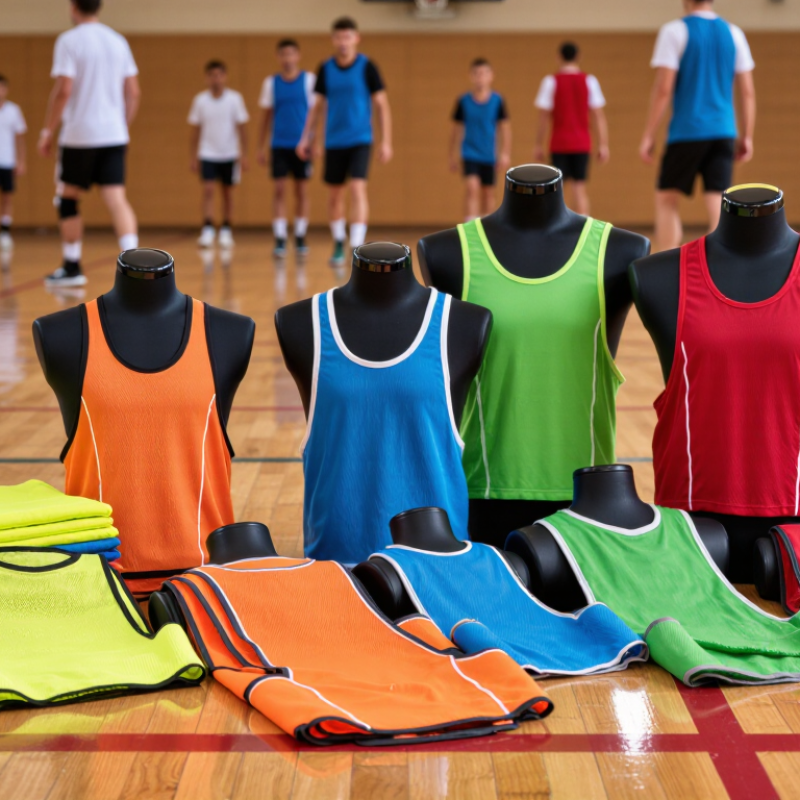
Mesh scrimmage bibs are the lightest option for football, basketball, and field hockey drills. Their open fabric helps reduce heat during repeated sprints. Reversible bibs offer two colors in one garment, which suits small-sided games and changing teams quickly. Numbered bibs help coaches track players during tactical exercises. For goalkeeper or specialist training, contrasting colors improve recognition near the goal area.

Visibility matters. High-contrast colors work better in dim gyms, wooded fields, or crowded training zones. Choose reinforced seams and wide arm openings for frequent pulling and stretching. Adult, youth, and women-specific cuts may prevent loose fabric from catching equipment. That detail is easy to overlook.

Buyers should request a size sample before ordering hundreds. Supplier charts are not always consistent. Check colorfastness, washing instructions, and storage space too. A practical standard is one bib per participant, plus a small replacement allowance. Even then, the estimate may fail when late registrations arrive.

Key Features to Compare Before Buying Training Bibs

When comparing training bibs, start with visibility and fit. In team sessions, bright colors help players identify groups quickly, even under cloudy skies. Choose a loose cut that fits over shirts without blocking arm movement. A bib that twists during sprint drills becomes distracting and unsafe. Check the neckline and arm openings for smooth edges. Rough seams can irritate skin after repeated use.

Fabric matters more than it first appears. Breathable mesh reduces heat during indoor practice and summer drills. Strong polyester can handle frequent washing, but thin fabric may tear around the shoulders. I once underestimated seam strength when ordering low-cost bibs. Several split after only a few sessions. That experience changed how I inspect stitching and reinforced edges. Hold the material against light. Uneven weaving can reveal weak areas.

Bulk buyers should compare sizing consistency, color separation, and care requirements. Matching colors across one order makes team organization easier. Clear washing instructions also protect the investment. Look for quick-drying fabric when bibs must return to storage the same day. Numbered options may improve drill control, but they can increase cost. Ask for a size chart and sample before placing a large order. Small details matter. Pay attention to storage, too. Damp bibs left in a closed equipment bag can develop unpleasant odors and lose freshness quickly.

Top Sports Training Bibs for Teams and Bulk Buyers - Key Features to Compare Before Buying Training Bibs

A practical comparison guide based on common specifications used for team training, academy sessions, schools, and club purchasing.

Comparison Dimension Lightweight Mesh Bib Reversible Training Bib High-Visibility Bib Bulk-Buying Consideration
Primary Use Fast-paced football, futsal, basketball, and indoor drills where low weight is important. Two-team practices using one garment with contrasting colors on each side. Outdoor training, running drills, school activities, and low-light conditions. Match the bib type to the main training environment before comparing price.
Typical Fabric Open-hole polyester mesh, commonly about 70–110 g/m². Double-layer polyester mesh or lightweight interlock fabric, commonly about 110–160 g/m². Bright polyester mesh or fabric with optional reflective details. Ask for the exact fabric weight and construction because “mesh” can describe several fabric types.
Breathability ★★★★★
Excellent airflow
★★★★☆
Very good airflow
★★★★☆
Good airflow; reflective layers may reduce ventilation
For warm-weather sessions, prioritize open mesh panels and a loose athletic cut.
Approximate Weight Usually about 40–80 g per adult bib, depending on size and trim. Usually about 80–140 g per adult bib because of the additional fabric layer. Usually about 60–110 g per adult bib, depending on reflective components. Lower weight can reduce shipping cost, but durability and opacity should also be checked.
Color Separation One color per bib; separate colors are needed for opposing teams. Two contrasting colors in one bib; useful for changing teams quickly. Usually one bright color selected for strong visual contrast. Confirm that colors remain distinguishable under the venue’s lighting conditions.
Visibility Good in normal indoor and daylight conditions. Good when both sides use contrasting colors. Very good in outdoor environments; fluorescent colors improve daytime visibility, while reflective elements support visibility when illuminated. Fluorescent fabric is not the same as certified personal protective equipment; verify safety requirements separately.
Fit and Sizing Loose pull-over fit, commonly available from youth sizes through adult sizes. Slightly fuller fit to accommodate two fabric layers. Loose fit designed to remain visible over sports clothing or light outerwear. Request a measurement chart covering chest width, body length, and arm opening rather than relying only on S, M, L, or XL.
Recommended Size Planning Order by player group and allow room over shirts. Use the larger size when the bib must fit over jackets or goalkeeper clothing. Allow additional ease for outdoor layers and colder conditions. For mixed-age teams, a practical starting allocation is approximately 20–30% youth sizes and 70–80% adult sizes, adjusted to the roster.
Durability Features Reinforced shoulder seams, bound armholes, and double-stitched side seams. Strong side seams and colorfast fabric are especially important because of the extra layer. Reinforced seams and securely attached reflective details help withstand repeated use. Request sample testing for seam strength, snag resistance, and colorfastness before a large order.
Colorfastness Suitable for frequent washing when made with colorfast polyester. Important because both sides are exposed to sweat, washing, and friction. Bright colors can fade faster under strong sunlight; laundering and storage practices matter. Ask whether colorfastness has been tested after repeated wash cycles and whether the test method is documented.
Customization Options Screen printing, heat-transfer numbers, logos, or team names. Printing should be tested on both sides to confirm adhesion and legibility. Printing must not cover reflective areas or reduce the intended visibility of the garment. Confirm artwork format, print locations, minimum order quantity, setup charges, and sample approval process.
Care Requirements Cold or warm machine wash; low-temperature drying is generally preferred. Wash inside out when printed and avoid high heat to protect graphics and fabric shape. Follow the care label; harsh bleach and high heat can damage bright or reflective materials. Provide one care instruction sheet to coaches and players to reduce premature wear.
Storage Efficiency Very compact; easy to store in equipment bags and team bins. More bulky because of the double-sided construction. Compact unless reflective trims or heavier fabric are used. For large programs, confirm carton dimensions and packed quantity for storage planning.
Typical Service Life Approximately 1–3 seasons under regular team use, depending on washing and snag exposure. Approximately 2–4 seasons when seams and reversible construction are well made. Approximately 1–3 seasons; outdoor sunlight and abrasion can shorten service life. Service life varies widely; evaluate construction quality instead of relying only on a stated lifespan.
Best Value Indicator Low purchase weight and strong ventilation for frequent indoor use. Two-color functionality that can reduce the number of garments required. Improved visual recognition for outdoor or low-light training. Compare total cost per use, including printing, replacement rate, shipping, and care needs.
Quality Checks Before Buying Inspect mesh openings, seam finishing, armhole comfort, and opacity over a shirt. Check that both colors align correctly and that the bib remains comfortable when reversed. Check brightness, reflective attachment, seam security, and visibility from a distance. Request a pre-production sample, measurement sheet, fabric details, packing list, and final inspection criteria.
Best Choice For Teams that prioritize ventilation, low weight, and economical replacement. Teams that regularly switch player groups and want two colors in one garment. Outdoor programs that need stronger visual contrast during daylight or evening activities. Bulk buyers should select the option that fits the roster, climate, facility, and replacement budget.

Note: Weight, fabric density, service life, and size distribution are typical planning ranges rather than universal specifications. Always verify the final measurements, materials, testing documents, decoration method, and care instructions with the supplier before placing a bulk order.

How to Select Bibs for Different Sports and Training Needs

Choosing training bibs starts with the sport, not the color.

In football, use lightweight mesh with wide arm openings for repeated sprints and quick passing drills. In basketball, shorter cuts reduce fabric contact during defensive slides. For rugby or contact-heavy training, select stronger seams and a slightly looser fit. However, loose bibs can catch on hands and equipment. That trade-off is easy to overlook.

The NCAA Injury Surveillance Program reports roughly seven soccer injuries per 1,000 athlete-exposures in collegiate play.

Bibs do not prevent injuries, but poor fit can distract athletes during high-speed movement. Check shoulder mobility, waist clearance, and visibility under indoor lighting. For younger teams, choose high-contrast colors and numbered sets that coaches can identify from a distance. The SFIA 2024 Topline Participation Report recorded more than 240 million Americans participating in at least one sport or fitness activity in 2023. That scale makes durability important for bulk buyers.

Material choice also depends on training conditions. Open-hole mesh dries quickly outdoors, while softer polyester may feel better during long indoor sessions. Ask for sample sizes before ordering hundreds.

A size chart is not enough. Wash-test several bibs, inspect stretched seams, and measure color fading after repeated cycles.

The cheapest pack may win on price, yet replacement costs can reverse the decision. I would not treat every “breathable” claim as proof; fabric weight, ventilation area, and construction still need checking. Bulk selection is practical, but it is rarely perfect.

Bulk Ordering Factors for Teams, Clubs, and Organizations

Top Sports Training Bibs for Teams and Bulk Buyers

Bulk Ordering Factors for Teams, Clubs, and Organizations

Bulk bib ordering requires more than choosing a bright color. The SFIA 2024 Topline Participation Report recorded 242.6 million American sports and fitness participants in 2023. That scale increases demand for consistent sizing, quick identification, and repeat availability. Teams should review player numbers, staff needs, and likely replacements before requesting quotes. A 5% to 10% reserve often protects against late registrations and damaged items.

Fabric selection affects comfort, washing, and total cost. Textile Exchange’s 2024 Materials Market Report stated that polyester represented about 57% of global fiber production in 2023. Polyester is practical for lightweight training bibs, but fabric weight and mesh structure still matter. Request physical samples. Check visibility under indoor lights, stitching around armholes, and drying time after washing. Our experience suggests that attractive fabric can still feel unpleasant during humid sessions. That detail is easy to miss.

Sizing deserves careful attention. Ask for a size chart with garment measurements, not only age labels. Compare the chart with your current team data. Record the most common sizes and avoid ordering every size evenly. It sounds efficient, but it can create waste. Confirm carton quantities, delivery windows, decoration placement, and replacement terms in writing. Keep one approved sample for future reorders. Colors may vary between production batches, so a saved sample supports better quality checks. Even careful planning can fail when membership changes suddenly. Teams should review their ordering assumptions after each season.

Top Sports Training Bibs for Teams and Bulk Buyers

Estimated unit-price benchmarks by order quantity for teams, clubs, schools, and sports organizations. Larger orders may reduce the average price per bib, while customization, fabric weight, delivery time, and shipping can affect the final quotation.

Planning estimates in USD per training bib; actual prices vary by specifications, customization, and supplier terms.

Care, Storage, and Replacement of Training Bibs

Training bibs endure repeated stretching, sweat, grass stains, and hurried team changes. After wet sessions, rinse them with cool water before washing. This prevents sweat and dirt from settling into the fabric. Use a mild detergent and a gentle cycle. Avoid bleach, fabric softener, and high heat. These can weaken fibers and reduce color visibility.

Tips: Air-dry bibs fully before storage. Keep them away from direct sunlight. Store each color in a labeled mesh bag. Do not compress damp bibs in a sealed container. I once made that mistake. The odor remained for days, and one bib developed faint mildew marks. A dry, ventilated cabinet works better than a crowded equipment box. Check the storage area monthly, especially during rainy seasons.

Inspect team bibs before every training block. Look for torn seams, stretched neck openings, loose numbers, and thinning fabric. Small holes can expand during contact drills. Replace damaged pieces before they affect player identification or safety.

For bulk buyers, keep a replacement reserve of common sizes and colors. Record purchase dates and usage levels in a simple inventory sheet. This makes shortages easier to predict. Recycling worn fabric may be possible through local textile programs, but availability varies. Do not assume every material is accepted. Some bibs may still look usable, yet feel brittle after repeated washing. That detail is easy to miss.

FAQS

How should bibs differ between football, basketball, and rugby training?

Football suits lightweight mesh with wide arm openings for repeated sprints. Basketball benefits from shorter cuts during defensive slides. Rugby needs stronger seams and a slightly looser fit. Loose bibs can still catch on hands or equipment.

How can teams choose the correct bib size?

Use garment measurements, not age labels alone. Check shoulder movement and waist clearance during running. Ask for sample sizes before placing a large order. Size charts help, but they are not perfect.

What material works best for different training conditions?

Open-hole mesh dries quickly outdoors. Softer polyester may feel better during long indoor sessions. Check fabric weight and ventilation area, not only “breathable” wording. Humid sessions reveal problems quickly.

What colors and markings help coaches identify players?

Choose high-contrast colors for indoor lighting and distant viewing. Numbered sets help coaches recognize players faster. Keep one approved sample for future orders. Colors can change between production batches.

How many extra bibs should a team order?

A reserve of 5% to 10% can cover late registrations and damaged pieces. Review player numbers, staff needs, and common sizes. Ordering every size evenly may create waste. That plan sounds tidy, but it can fail.

What should teams inspect before buying bibs in bulk?

Request physical samples and wash-test several pieces. Inspect armhole stitching, stretched seams, drying time, and color fading. Check carton quantities, delivery windows, and replacement terms in writing. Attractive fabric may still feel unpleasant.

How should training bibs be washed and dried?

Rinse wet bibs with cool water before washing. Use mild detergent and a gentle cycle. Avoid bleach, fabric softener, and high heat. Air-dry them fully. Keep it simple.

How should teams store and replace worn bibs?

Store each color in a labeled mesh bag inside a dry, ventilated cabinet. Keep bibs away from direct sunlight. Inspect torn seams, loose numbers, thinning fabric, and stretched neck openings. Replace damaged pieces before identification becomes difficult. Damp storage causes trouble; I learned that the unpleasant way.

Conclusion

Choosing the right Sports Training Bibs can improve organization, visibility, and efficiency during team practice. This overview introduces common types, including reversible bibs, mesh pinnies, numbered options, and color-coded designs, while explaining key features such as breathable fabric, comfortable sizing, durable stitching, easy-care materials, and secure fit. It also outlines how to select bibs according to different sports, player groups, training intensity, weather conditions, and indoor or outdoor settings.

For teams, clubs, schools, and other organizations, bulk ordering requires careful attention to size distribution, color combinations, quantity planning, customization needs, delivery schedules, and overall value. The guide also covers practical care and storage methods, including washing instructions, proper drying, organized storage, and routine inspection for wear or damage. By considering performance, durability, usability, and replacement planning, buyers can build a reliable collection of training bibs that supports consistent practices and long-term team management.

Amelia

Amelia

Amelia is a dedicated marketing professional with a deep understanding of the company’s products, services, and customer needs. With a strong background in market research, content strategy, and business communication, she transforms complex product information into clear, practical, and engaging......