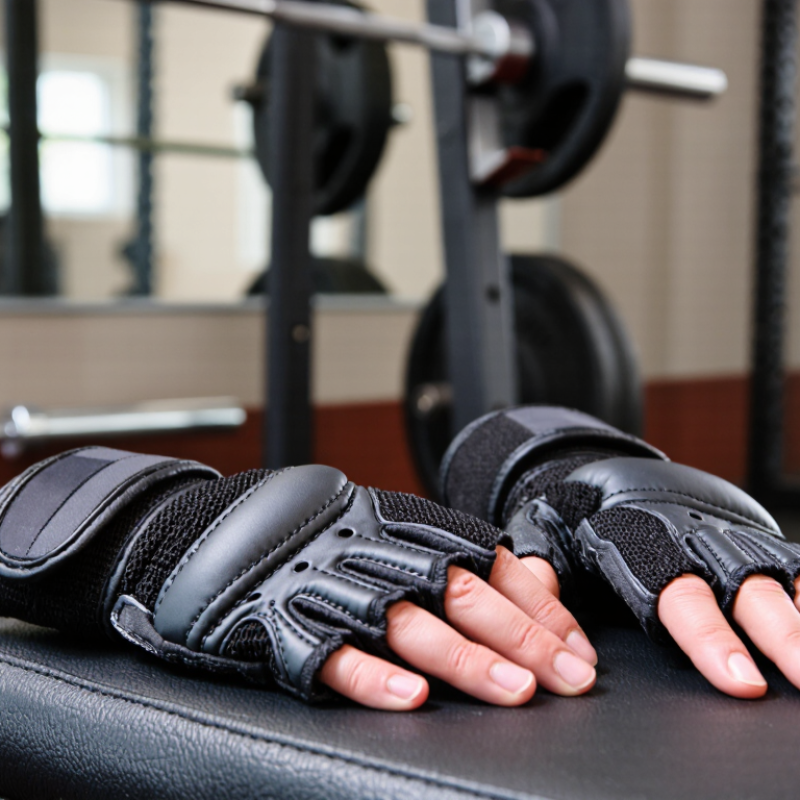
Choosing the right Weightlifting Gloves is not a minor equipment decision. It affects grip confidence, hand comfort, and training consistency.
The American College of Sports Medicine’s Worldwide Survey of Fitness Trends 2024 ranked traditional strength training among the five leading global fitness trends. That result reflects growing participation in resistance exercise, although it does not measure glove purchases directly. Industry reports from Grand View Research also identify rising interest in fitness accessories, driven by home workouts, gym memberships, and personal training. The numbers are useful, but they cannot replace careful product testing.
Dan John, a respected strength coach and author, often states, “The goal is to keep the goal the goal.” For lifters, that means choosing gloves that support training rather than distract from it. Examine palm padding, wrist support, finger coverage, stitching, ventilation, and sizing. A thick palm may reduce pressure on rough bars, but it can also weaken grip feedback. That trade-off is easy to miss.
Fit matters most.
A glove should feel secure without squeezing the knuckles. Leather can offer durability, while synthetic fabrics may dry faster after sweaty sessions. Examine the Velcro closure closely. Loose straps can shift during deadlifts. However, no glove can correct poor technique, excessive loading, or an unsuitable bar.
This guide presents seven practical tips for comparing Weightlifting Gloves. Some recommendations are clear. Others depend on your hands, exercises, and training environment. Testing remains essential.
7 Tips for Choosing the Best Weightlifting Gloves
Define Your Training Needs and Glove Requirements
Your training style should decide your glove requirements. Dumbbell circuits need flexible palms and secure wrist support. Heavy deadlifts demand strong grip contact, minimal padding, and reliable seams. Cable exercises may benefit from breathable fabric and moderate cushioning. Too much padding can reduce bar feel. That matters during technical lifts.
ACSM’s 2024 Worldwide Survey ranked traditional strength training among the five leading fitness trends. This suggests more people are training with barbells, dumbbells, and resistance machines. However, participation does not guarantee proper equipment selection. The National Strength and Conditioning Association emphasizes technique, load control, and equipment fit in resistance training. Gloves should support these priorities, not hide weak grip habits.
Measure your hand carefully. Check palm width, finger length, and wrist circumference against the sizing chart. A loose glove may twist under a loaded bar. A tight glove can restrict finger movement and create pressure points. Look for reinforced stitching around the thumb and palm. Ventilated panels help when sweat collects after several sets. Small details matter.
I once preferred thick padding for comfort. That choice weakened my bar awareness. A thinner glove worked better for rows and presses, but not for every lift. That remains worth reconsidering. Your best option may change as your training volume, exercise selection, and grip strength develop. Inspect the seams after each session, especially when the glove feels unusually stiff or slippery.
7 Tips for Choosing the Best Weightlifting Gloves
Compare materials before judging appearance. Leather usually offers durable abrasion resistance and softens with use. Synthetic fabric dries faster and often feels lighter. Textile Exchange’s 2024 Materials Market Report recorded global fiber production at 124 million tonnes in 2023, with polyester representing about 57%. That scale explains its common use, but not automatic quality. Look for reinforced stitching, breathable mesh, and washable construction. Test the palm after ten minutes of gripping.
Padding needs a careful balance. Dense foam can reduce pressure from knurling, but excessive thickness may weaken bar feedback. I have found that moderate padding suits deadlifts better than bulky cushioning. It is not a perfect rule. For pull-ups, choose a palm surface with silicone or rubberized zones. Check whether the pattern still grips when sweat appears. ACSM’s 2024 Worldwide Survey of Fitness Trends placed traditional strength training among the leading global activities, so gloves must handle repeated, varied sessions.
Fit is the quiet performance factor. Measure your palm, then check the manufacturer’s size chart. Fingers should move freely without empty fabric. A secure wrist closure should prevent sliding, not restrict circulation. Examine the thumb seam, since it receives heavy friction during rows and carries. Try a light warm-up before heavier sets. If the glove twists, pinches, or masks your grip, return to the material, padding, or size choice rather than blaming your technique.
| Tip | Material or Feature to Compare | Padding Characteristics | Grip Performance | Breathability | Durability | Best Choice For | Main Trade-Off |
|---|---|---|---|---|---|---|---|
| 1. Match the material to your training style | Leather, synthetic leather, mesh, and neoprene are common choices. Leather generally conforms well over time, while synthetic materials are usually easier to clean. | Material thickness affects how much separation there is between the hand and the bar. Thinner palms provide more tactile feedback. | Textured leather and synthetic palms can provide a secure hold when the surface is dry and properly fitted. | High with mesh Medium with leather |
Medium–High | Choose leather for frequent heavy use; choose synthetic or mesh blends for easier maintenance and warmer conditions. | Leather can require more care, while mesh may wear faster in high-friction areas. |
| 2. Select padding based on pressure and friction | Look for moderate-density foam, gel inserts, or layered palm padding placed under the fingers and across the main contact zones. | Foam reduces pressure and vibration; gel offers more localized cushioning but can feel bulkier. | Excessively thick padding may reduce bar feel and make a secure grip more difficult. | Medium | Medium | Use moderate foam for general lifting; consider additional cushioning when repeated friction is a concern. | More padding usually means less tactile feedback and a slightly larger hand profile. |
| 3. Check the grip surface rather than padding alone | Compare textured palm panels, silicone patterns, rubberized sections, and smooth leather surfaces. | Padding supports comfort, but the palm texture and contact area have a greater direct effect on friction against the bar. | Textured or patterned surfaces generally provide more consistent grip than completely smooth material, especially when the hand is slightly damp. | Medium | Medium–High | Choose a balanced texture for mixed barbell, dumbbell, and pull-up training. | Aggressive textures may feel restrictive or wear down knurled equipment more quickly. |
| 4. Evaluate wrist support separately | Compare narrow elastic closures with adjustable hook-and-loop wrist straps. | Wrist straps do not replace palm padding, but they can help keep the glove from shifting during repeated sets. | A stable cuff helps maintain palm alignment, which can make the grip feel more consistent. | Medium | High with reinforced closure | Choose an adjustable closure for heavier lifting or when wrist stability is a priority. | A wide or stiff cuff can limit wrist movement during exercises requiring flexibility. |
| 5. Prioritize a close, wrinkle-free fit | Check finger length, palm width, thumb opening, and stretch around the knuckles. | Padding should sit flat against the palm without bunching under the fingers or creating pressure points. | A snug fit improves contact with the bar; loose fabric can fold, slide, and reduce control. | Depends on fabric | Depends on stitching | Any lifter who wants reliable grip and fewer distractions during repeated movements. | A very tight fit can restrict circulation and make the gloves harder to remove after training. |
| 6. Compare ventilation and moisture management | Look for perforated palms, breathable mesh on the back of the hand, moisture-wicking lining, and a sweat-wipe panel. | Ventilated designs usually use less solid material, so they may provide less overall cushioning. | Keeping the palm drier can help maintain friction, although gloves cannot replace proper equipment cleaning. | High | Medium | Warm gyms, high-volume sessions, and users who perspire heavily. | Open or perforated areas may expose the glove to more abrasion and require careful washing. |
| 7. Inspect seams, care instructions, and replacement value | Check reinforced palm seams, bar-tack stitching, secure closures, washable construction, and the ability to dry the gloves fully. | Dense padding can compress over time; replace gloves when cushioning becomes uneven or the palm develops holes. | Worn or stretched palm material can reduce friction and allow the glove to move during a set. | Medium–High | High when reinforced | Frequent users who want lower long-term replacement costs and easier hygiene maintenance. | Reinforced construction may add weight, stiffness, and drying time. |

Choosing weightlifting gloves begins with a precise, comfortable fit. A loose glove can shift during rows, while a tight glove may restrict circulation. Measure your palm according to the manufacturer’s size guide, then test the glove with a closed fist. Your fingertips should not press against the seams. There should be no folded material beneath your fingers.
Wrist support deserves careful attention. A firm strap can reduce unwanted wrist movement during pressing exercises. However, excessive stiffness may prevent natural positioning. Wrap the strap securely, but avoid creating numbness or tingling. Your wrist should feel supported, not trapped. I once tightened a strap too much and noticed weaker grip control. That mistake changed how I evaluate gloves.
Hand mobility is equally important. Open and close your fingers fully before lifting. Check whether you can adjust a dumbbell, grip a bar, and release it smoothly. Flexible areas around the thumb and knuckles usually improve control. Look for reinforced palms, clean stitching, and breathable material if your hands sweat heavily. Still, durability claims need practical testing. Inspect the seams after several sessions, especially around the thumb. Gloves can help comfort, but they cannot correct poor technique or persistent wrist pain. A qualified exercise professional or healthcare provider should assess ongoing discomfort.
7 Tips for Choosing the Best Weightlifting Gloves
Durability should begin with the palm and finger seams. I look for dense synthetic leather or reinforced fabric in high-friction areas. The stitching should remain flat, even, and tightly secured. Loose threads often become larger tears after repeated gripping. I once chose a glove with excellent padding but weak seams. It felt comfortable for two sessions and failed during a heavy pull. That mistake changed how I inspect construction.
Breathability matters when workouts last beyond a few sets. Mesh panels across the back of the hand can release heat and moisture. Perforated palms may help airflow, but excessive holes can reduce protection. Check whether the material stays flexible when your hands sweat. A glove that traps moisture may increase discomfort and odor. Try bending your fingers before buying. Restricted movement is a warning sign.
Cleaning should be simple enough for regular use. Choose gloves with washable materials and clear care instructions. After training, wipe away sweat and let them air-dry fully. Avoid sealing damp gloves inside a gym bag. That habit can encourage unpleasant smells and material breakdown. Some gloves can handle gentle hand washing, but hot water may damage synthetic coatings. I still sometimes forget this step. A removable wrist wrap or a quick-release closure can make cleaning easier, though extra hardware may wear out sooner.
Use this brand-neutral evaluation rubric to compare weightlifting gloves. Higher scores indicate greater importance when assessing durability, breathability, comfort, grip, and maintenance.
The percentages represent a practical comparison framework totaling 100%, with durability, fit, breathability, and ease of cleaning receiving the greatest consideration for regular training use.
ACSM’s 2024 Worldwide Survey ranked traditional strength training as the fifth leading fitness trend. That popularity makes glove value more important than flashy features. A useful pair should improve grip comfort, reduce friction, and survive repeated washing. It should not replace proper lifting technique. My experience says thick padding can feel protective, yet it may weaken bar feedback. That trade-off deserves attention.
Tip 1: Match the glove to your routine. Choose breathable, flexible fabric for high-repetition workouts. Select firmer palm padding for heavy pulls and pressing. Check the stitching around the thumb. That area often fails first.
Tip 2: Measure your hand carefully. A loose glove folds under the fingers and creates hot spots. A tight glove can limit wrist movement. Try several grips before buying, if possible.
Tip 3: Calculate cost per training session, not purchase price. A cheaper glove that tears after eight weeks may cost more over a year. Look for reinforced palms, washable materials, and secure closures. The International Health, Racquet & Sportsclub Association reported continued global growth in fitness participation, suggesting frequent training remains common. More sessions demand durable equipment. Still, I sometimes overestimate durability from appearance alone. Inspect the seams after every few weeks. Value is practical, not impressive.
Measure your palm using the seller’s size guide. The glove should feel snug, not tight. Make a closed fist. Your fingertips should not press against seams, and no fabric should fold beneath them.
Numbness, tingling, or pale fingers indicate excessive pressure. A tight glove may also restrict wrist movement. Remove it and reassess the size.
A secure strap can limit unwanted movement during pressing exercises. Wrap it firmly, but avoid trapping the wrist. Support should not feel like a rigid cage.
Open and close your fingers fully. Adjust a dumbbell, grip a bar, and release it smoothly. Flexible areas around the thumb and knuckles often improve control.
Look for reinforced palms, clean stitching, breathable fabric, and washable materials. Inspect the thumb area carefully. It often wears out before other sections.
Thick padding may reduce friction and feel protective. However, it can weaken contact with the bar. I sometimes prefer comfort, then miss useful bar feedback.
Compare its expected lifespan with your training frequency. A cheaper glove that tears after eight weeks may cost more later. Calculate cost per training session.
No. Gloves may improve comfort, but they cannot correct flawed technique. Persistent wrist pain needs assessment from a qualified exercise professional or healthcare provider.
Choosing the right Weightlifting Gloves starts with understanding your training needs. Consider whether you mainly lift weights, use machines, perform pull-ups, or combine several activities, as each routine may require different levels of grip, protection, and flexibility. Compare glove materials, palm padding, and grip textures to find a balance between comfort and control. A secure fit is equally important: gloves should feel snug without restricting finger movement, while adjustable wrist support can improve stability during heavier lifts.
It is also wise to evaluate durability, breathability, and cleaning convenience before making a decision. Reinforced stitching and reliable materials can help gloves withstand frequent training, while breathable fabrics may reduce sweat and discomfort. Easy-to-clean designs are useful for maintaining freshness and hygiene. Finally, focus on overall value rather than simply choosing the least expensive option. The best pair should provide dependable protection, comfort, mobility, and performance that suit your training routine and long-term goals.