Factory: Sialkot, Pakistan Email: [email protected] Phone: (+92) 300 8467161
0%

In 2026, weightlifting straps remain a practical tool for lifters whose grip gives out before the target muscles. They can help secure a bar during heavy rows, deadlifts, and pulling exercises. They do not replace sound technique, sensible loading, or grip training.

The ACSM Worldwide Survey of Fitness Trends 2025 lists traditional strength training among its leading fitness trends. The survey reflects input from fitness professionals, not a trial of lifting equipment. Still, it shows why clear, evidence-minded guidance matters as strength training stays prominent. Straps may help you complete a set when sweaty palms or a demanding load become the limiting factor. They cannot guarantee better results or prevent injury.

This guide explains how to choose, wrap, and use Weightlifting Straps, with practical checks for common lifts. Expect details you can test at the gym: where the strap sits on your wrist, how the tail passes around the bar, and when to release it. Small setup errors matter. Straps are not magic. They can also hide a weak grip if used for every set. That trade-off is easy to miss. Use them deliberately, and keep some training strap-free when grip strength is part of your goal.

How to Use Weightlifting Straps in 2026?

What Weightlifting Straps Are and How They Support Your Grip

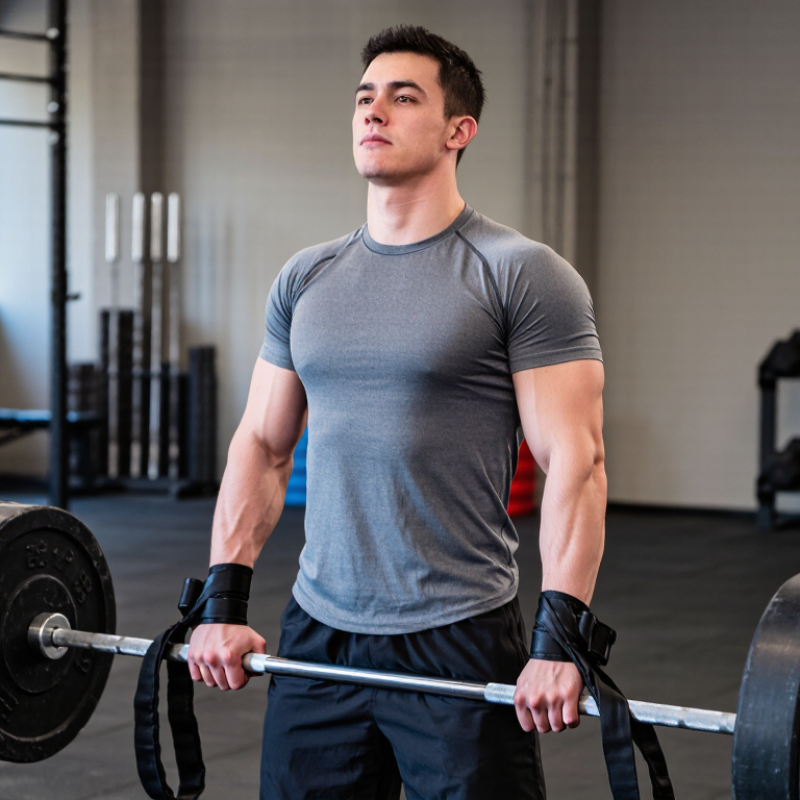
Weightlifting straps are fabric loops wrapped around the wrist and secured around a bar or handle. They create a stronger connection between your hand and the load, helping when fingers begin to open before the back or legs tire. They do not make the bar lighter, and they cannot replace sound technique. Not magic.

For rows, shrugs, or heavy deadlift sets, straps may let you keep training the target muscles when grip becomes the limiting factor. The American College of Sports Medicine’s 2009 position stand recommends 8–12 repetitions for many novice and intermediate lifters; straps can help maintain that work when grip fails early, but the guidance does not specifically recommend straps. Use them selectively, and train some sets without them to keep grip strength in the picture. A strap can hide a weak grip; that trade-off deserves honesty. If your wrists feel pinched or the strap slips, stop and reset it rather than pulling through discomfort.

How to Use Weightlifting Straps in 2026? - What Weightlifting Straps Are and How They Support Your Grip

Weightlifting straps are fabric or leather loops worn around the wrist and secured around a bar or handle. They help reduce the grip effort needed to hold a load, especially during pulling exercises. They do not replace sound technique or develop grip strength by themselves.

Strap Type Typical Construction How It Supports Grip Common Uses How to Set It Up Practical Considerations
Loop or lasso strap A straight strap with a small wrist loop at one end; commonly made from cotton, nylon, or leather. The free end wraps around the bar, helping the hand stay connected when the fingers begin to fatigue. Deadlifts, rows, shrugs, and other controlled pulling exercises. Put the wrist through the loop, lay the strap across the palm, then wrap the loose end around the bar and close the hand over it. Adjustable and versatile. Wrap each strap securely without making it so tight that it causes pain or restricts circulation.
Figure-eight strap A continuous strap shaped like a figure eight, usually made from sturdy webbing. One loop goes around the wrist and the other around the bar, creating a close connection between hand and bar. Heavy pulling sets where a fixed, secure connection is preferred. Pass the hand through one loop, route the strap under and around the bar, then place the hand through the second loop. Less adjustable during a lift than a lasso style. Because release can be slower, use cautiously and avoid situations where you may need to drop the bar quickly.
Single-loop strap A simple length of strap with a loop formed at one end; available in several fabrics. Provides a basic wrap around the wrist and bar to reduce the amount of grip force required. General strength training, including rows and moderate-load deadlifts. Place the wrist through the loop, position the strap comfortably, and wind the free end around the bar before gripping it. Simple to use, but the fit and wrap may take practice. Check that the strap lies flat and does not pinch the skin.
Padded strap A lasso or loop design with a padded section around the wrist. Supports the bar connection while cushioning pressure at the wrist. Pulling workouts where wrist comfort is a priority. Position the padded section on the wrist, then wrap the remaining strap around the bar as directed by its design. Padding may feel bulky for some users. It should not be used to mask wrist pain or an injury.
Best exercise selection Any suitable strap style, chosen to match the movement and the lifter’s needs. Most useful when grip is the limiting factor but the target muscles can still perform the planned work with sound form. Often used for heavier or higher-repetition deadlifts, rows, and shrugs. Learn the movement without straps first, then add them when grip fatigue would otherwise end a set before the target muscles are adequately trained. For exercises requiring quick hand release, such as many kettlebell movements, straps may be unsuitable. Follow the exercise and equipment safety guidance.
Fit and safety check Applies to all strap materials and designs. A secure, comfortable fit helps prevent slipping without unnecessary pressure on the wrist. Before every strapped set. Check for wear, place the strap flat, secure it around the bar, and test the connection with a light pull before lifting. Do not use torn or frayed straps. Keep some training sets strap-free to practice and maintain grip strength.

Quick reminder: Straps assist grip; they do not make an unsafe load safe. Keep the bar path controlled, use a load appropriate to your ability, and stop if you feel pain, numbness, or unusual wrist pressure.

How to Choose Straps for Your Lifting Style and Equipment

How to Use Weightlifting Straps in 2026?

Choose straps around your lifts, not just their appearance. Lasso straps suit many pulling movements because you can adjust the wrap around the bar. Figure-eight straps create a more secure connection, but they can be slower to release. They may not suit every exercise. For deadlifts or heavy rows, match the strap style to your grip needs and how quickly you may need to let go.

Check your equipment, too. A thick, smooth bar can feel different from a narrow, knurled one, and strap material affects friction. Cotton often feels softer; nylon tends to feel slicker. Try a light set first and check that the strap lies flat, without pinching your wrist. I’ve found that a setup that feels secure on one bar can shift on another. That’s worth reconsidering.

Tips: Keep straps dry, inspect stitching and fabric for wear, and practice wrapping them with light weight. Don’t use them when a lift requires a quick, unimpeded release. If your grip is limiting every set, straps can help you train the target muscles—but they shouldn’t replace grip work altogether. A little trial and error is normal.

How to Position and Secure Straps Around Your Wrists and the Bar

Place the loop over your wrist, with the loose tail resting against your palm. Keep the strap flat; a twisted edge can pinch when the bar gets heavy. Leave enough room to slide one finger beneath the loop. Snug, not tight. Your fingers should stay warm, and you should be able to open your hand.

Set the bar near the base of your fingers, then lay the tail across its top. Wrap it around the bar in the direction your fingers will close, keeping each turn close beside the last. Grip the bar and strap together, then roll your fingers down to take up slack. Repeat on the other hand, checking that both tails pull evenly. Uneven wraps happen. I sometimes find one strap sitting higher after the first pull, so I reset it before lifting. Test the setup with a light load first. If the strap slips, twists, or causes numbness, stop and reposition it. Straps can help when grip is the limiting factor, but they should not hide pain or replace controlled lifting.

How to Use Straps Safely During Different Lifts

How to Use Weightlifting Straps in 2026?

How to Use Straps Safely During Different Lifts

Weightlifting straps can help when your hands tire before the muscles you are training. They are commonly used for deadlifts, Romanian deadlifts, and heavy rows. Start light. Place the loop securely around your wrist, then wrap the loose end around the bar. Keep the wrap snug, not painfully tight, and check that it cannot slide.

For deadlifts, set your feet and brace before pulling; straps should support your grip, not change your back position. On rows, keep your wrists neutral and let your elbows guide the movement. With pull-ups, straps may reduce grip demands, but they do not make a shoulder or elbow injury safe to train through. Avoid straps during lifts where you need to release the bar quickly, unless you have suitable equipment and practiced technique.

Test the setup with an easy set before adding weight. If a strap twists, pinches, or makes the bar hard to release, stop and adjust it. A common mistake is relying on straps for every set. I would keep some lighter work strap-free, though it is easy to forget when the gym gets busy. Leave enough time to unwind the straps between sets, and never let them distract you from controlled reps.

How to Inspect, Clean, and Replace Weightlifting Straps

Before each lifting session, check the full strap under bright light. Look closely. Pay attention to frayed edges, loose stitching, thinning fabric, and worn loops. Tug gently on the seams; they should feel secure, not split or stretchy. If a strap slips during a warm-up, stop and inspect it rather than tightening it harder. Small damage can be easy to overlook, especially near folded seams.

Tips: Brush off dry chalk first. If the care label allows, hand-wash with mild soap and cool water. Rinse well, then air-dry completely away from direct heat. Never pack damp straps in a gym bag; trapped moisture can leave them musty. No guesswork.

Replace straps when stitching separates, fabric tears, or a loop deforms and no longer holds securely. Also retire straps that keep slipping despite correct wrapping. Avoid testing damaged straps with a heavy lift. I used to judge gear by appearance alone, but clean fabric can still hide weakened seams. Keep a spare pair if you train often, and check it before use too. Don’t wait for a failure to make the decision.

FAQS

When should I use lifting straps?

Use them when your hands tire before the muscles you are training. They can help with deadlifts, Romanian deadlifts, and heavy rows.

How do I wrap straps around a bar?

Place the loop securely around your wrist, then wrap the loose end around the bar. Keep it snug, not painful. Test it with a light set.

Do straps change deadlift technique?

No. Set your feet and brace before pulling. Straps support your grip; they should not change your back position.

Are straps suitable for rows and pull-ups?

On rows, keep your wrists neutral and let your elbows guide the movement. Straps may reduce grip demands during pull-ups, but they do not make an injured joint safe to train.

When should I avoid straps?

Avoid them when you need to release the bar quickly, unless suitable equipment and practiced technique are available. Control matters.

What should I check before training?

Under bright light, inspect the edges, stitching, fabric, and wrist loops. Tug the seams gently. If a strap slips during warm-up, stop and inspect it.

How should I clean lifting straps?

Brush off dry chalk. If the care label allows, hand-wash with mild soap and cool water. Rinse well, then air-dry fully away from direct heat. Don’t pack them damp.

When should I replace my straps?

Replace them if stitching separates, fabric tears, loops deform, or slipping continues despite correct wrapping. Clean-looking fabric can hide weak seams. I used to trust appearance too much.

Conclusion

Weightlifting Straps can help lifters hold onto a bar when grip strength becomes the limiting factor, allowing them to focus on the movement without treating straps as a substitute for sound technique. Choosing the right pair depends on your lifting style, preferred strap design, and the equipment you use. Before a set, position each strap securely around your wrist and wrap its loose end around the bar so it feels snug without pinching or restricting circulation.

Use straps selectively on suitable lifts, and make sure you can release the bar safely. Keep the load appropriate, maintain control throughout each repetition, and avoid relying on straps when practicing lifts that require an unassisted grip. Regularly inspect the material, stitching, and closures for wear or damage. Clean straps according to their material and allow them to dry fully; replace them if they become frayed, weakened, or difficult to secure.

Amelia

Amelia

Amelia is a dedicated marketing professional with a deep understanding of the company’s products, services, and customer needs. With a strong background in market research, content strategy, and business communication, she transforms complex product information into clear, practical, and engaging......