Recommended CE-Certified Activewear Lineup
Explore our enterprise-grade technical apparel portfolio. Manufactured in audited Sialkot production facilities utilizing 6-needle 4-thread flatlock stitching, moisture-wicking synthetic blends, and anti-chafing high-compression textiles certified under European PPE and textile standards.
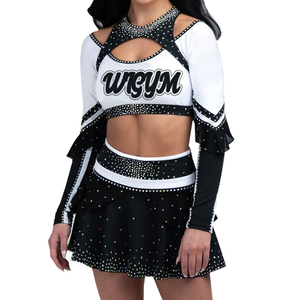
Custom All Star Cheerleading Uniforms Wholesale Bulk Rhinestone Performance Apparel
Fabric:85% Polyester / 15% Spandex
Weight:280-320 GSM High Flex
Standards:CE / REACH Eco-Passed
Customization:Sublimation & Rhinestones
Inquire Now
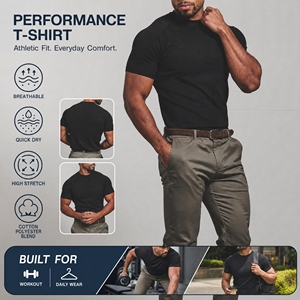
High Quality Performance Muscle Fit T-Shirt Men Raglan Sleeve Activewear
Material:92% Micro-Poly / 8% Elastane
Feature:Quick-Dry / Anti-Pilling
Stitching:Ergonomic Raglan Seams
MOQ:150 Pcs / Colorway
Inquire Now
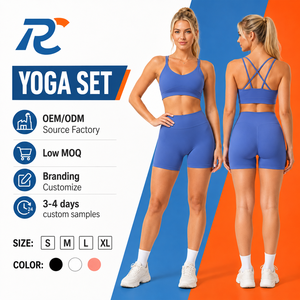
Women 2 Piece Workout Set Stitched Sports Yoga Bra & High Waist Shorts
Knit Tech:3D Seamless Circular Knit
Density:300 GSM Squat-Proof
Certification:OEKO-TEX Standard 100
Support:High-Impact Bra Structure
Inquire Now
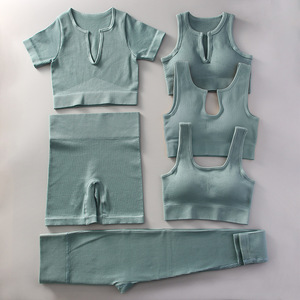
Wholesale Women's High Performance 2pcs Yoga Set Seamless Bra & Leggings
Blend:Nylon 6,6 / Spandex
Waistband:Double-Layer Compression
Color Fastness:Grade 4.5 ISO 105
Service:Full OEM Private Label
Inquire Now
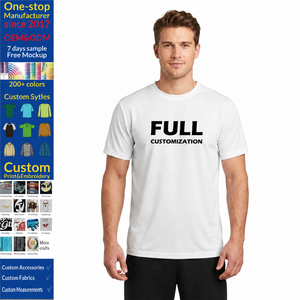
Men's Custom 100% Polyester Performance T-Shirt Quick Dry Running Apparel
Weave:Micro-Pin Dot Mesh
Weight:140 GSM Ultra-Light
Wicking:Capillary Action Hydrophobic
Print:Italian Sublimation Ink
Inquire Now
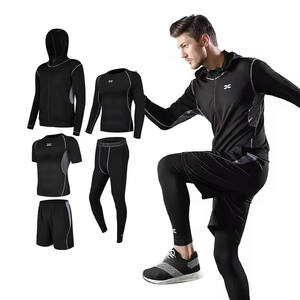
Men's Quick Dry Gym Sports Suit 3-Piece Set (Long Sleeve, Compression Tights, Shorts)
Components:Top, Tights, Outer Shorts
Compression:15-20 mmHg Dynamic Fit
Seams:Flatlock Anti-Chafing
Testing:AQL 2.5 Audit Passed
Inquire Now
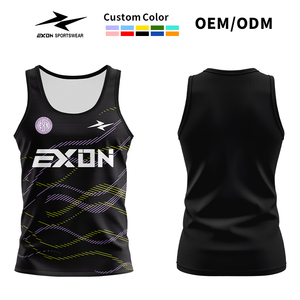
EXON Lightweight Performance Running Singlet for Marathon & Racing Events
Weight:90 GSM Featherweight
Ventilation:Laser-Cut Airflow Zone
Edges:Thermobonded Hemline
Target:Marathons & Clubs
Inquire Now
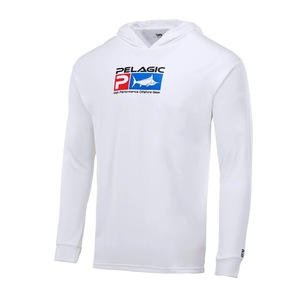
Custom UV Protection UPF 50+ Quick Dry Hooded Long Sleeve Fishing & Outdoor Shirt
Protection:UPF 50+ Certified
Fabric:180 GSM Interlock Poly
Design:Ergonomic Hood & Gaiter
Sublimation:Full-Coverage Graphics
Inquire Now
3rd Gen
Manufacturing Heritage
ISO 9001
Quality Management
30+
Global Export Markets
AQL 2.5
Defect Inspection Standard
Technical Whitepaper: Sourcing CE-Certified Activewear Manufacturers
The global activewear market has shifted decisively from basic athletic wear toward bio-mechanically engineered, compliant functional wear. Importers, brand directors, and procurement executives navigating European and North American retail channels face stringent regulatory frameworks. Ensuring that activewear factories possess verifiable CE marking, REACH compliance (EC 1907/2006), OEKO-TEX Standard 100 certifications, and ISO 9001:2015 quality management systems is no longer optional—it is the prerequisite for supply chain survival.
What Does "CE Certified Activewear" Mean for B2B Sourcing?
While basic fashion garments fall under general product safety directives, high-performance athletic apparel—such as compression garments, protective equestrian tops, outdoor UV shielding layers, and protective martial arts/cycling activewear—is governed by **EU Regulation 2016/425 (Personal Protective Equipment)** and **EN ISO 13688:2013** general requirements for protective clothing. CE certification ensures that activewear meets European health, safety, and environmental protection standards, guaranteeing zero harmful heavy metals (such as lead, cadmium, or phthalates) and verifiable physical performance parameters.
Polymer & Fabric Integrity
Utilizing virgin and GRS-certified recycled Polyamide (Nylon 6,6) and Polyethylene Terephthalate (PET) yarns. Every fabric roll undergoes bursting strength testing (ISO 13938-1) and abrasion testing (Martindale ISO 12947-2) prior to laying.
Chemical Compliance (REACH)
All dye formulations and finishing chemicals comply with REACH Annex XVII restricted substance lists. Dyes demonstrate Grade 4.5 fastness to washing (ISO 105-C06) and perspiration (ISO 105-E04).
Precision Construction
Operating specialized chain-system sewing lines equipped with Japanese Yamato and Juki 6-needle flatlock machines, ensuring zero internal seam friction against human skin during high-intensity workouts.
Future Activewear Procurement Trends: 2025–2030 Analysis
As global supply chains adapt to environmental legislation and shifting consumer demands, procurement directors must align with manufacturing partners who actively innovate across smart textiles, circular recycling, and automated manufacturing.
1. EU Digital Product Passports (DPP) & Traceability
By 2026, the European Union's Ecodesign for Sustainable Products Regulation (ESPR) will mandate Digital Product Passports for apparel. Enterprise activewear factories must provide full yarn-to-garment traceability data, documenting Tier-1 through Tier-4 supply chain milestones, carbon footprint per garment, and chemical compliance logs.
2. 4D Seamless Circular Knitting & Waste Reduction
Traditional cut-and-sew apparel generates 15% to 22% fabric scrap wastage. The future belongs to 3D and 4D body-mapped seamless circular knitting. By knitting complete garments directly from yarn spools, material waste is reduced by over 80% while enabling variable compression zones engineered directly into the textile structure without bulky seams.
3. Bio-Based Moisture Management & PFC-Free DWR
Fluoro-chemical water repellents (PFCs/PFAS) are being phased out globally due to bio-accumulation concerns. Modern activewear production relies on bio-based hydrophobic finishes derived from plant waxes and plant-based silica coatings that deliver UPF 50+ sun protection and durable water repellency without environmental toxicity.
OEM Factory Benchmark: Standard Sourcing vs. CE-Certified Facility
Evaluating manufacturing vendors requires evaluating quantifiable capabilities. Below is a comparative technical matrix for procurement heads evaluating OEM activewear factories:
| Evaluation Metric |
Standard Apparel Supplier |
Haraka Sports CE-Certified OEM Facility |
| Quality Assurance Standard |
Visual end-line checks only |
AQL 2.5 In-Line & Pre-Shipment Audit (MIL-STD-105E) |
| Fabric Testing & Lab Logs |
Unverified mill certificates |
In-house GSM, shrinkage, pilling (ISO 12945), and color fastness lab data |
| Chemical Compliance |
Basic commercial dyes |
REACH Annex XVII & OEKO-TEX Standard 100 Class 1 Verified |
| Stitching Line Technology |
Standard 3-thread overlock |
Precision chain-system lines with 6-needle flatlock & bonded seam capability |
| Sampling & Tech Pack Lead Time |
15 to 25 Days |
7 to 12 Working Days with graded digital CAD patterns |
| Carton & Transit Protection |
Single-wall corrugated boxes |
Heavy-duty 5-ply export cartons with desiccants & sealed polybags |
Enterprise Operational Blueprint: Haraka Sports Manufacturing Ecosystem
Operating out of Sialkot, Pakistan—the globally recognized hub for sports apparel and equipment manufacturing—Haraka Sports represents three generations of family-owned cut-and-sew engineering. Spread across two primary manufacturing complexes (Daska Road Facility & Small Industries Estate Unit), our enterprise operates under unified ISO management protocols.
1. Material Inspection & Lab Testing
Every incoming fabric roll undergoes 100% quarantine upon arrival. Technical auditors measure GSM weight tolerance (±3%), fabric width consistency, elasticity recovery percentage, and shade-matching under D65 standard light boxes.
2. Hydraulic Press & Marker Cutting
Digitized pattern markers generated via CAD systems optimize fabric yield, reducing waste. Fabric panels are cut using computerized hydraulic presses, followed by bundle numbering to guarantee shade continuity across cut sets.
3. Chain-System Assembly & In-Line QC
Stitching runs operate on continuous chain-system lines. Station operators specialize in specific assembly tasks (e.g., waistband insertion, flatlock seam joining). QC inspectors conduct hourly roving checks to enforce zero-defect standards.
Activewear Sourcing & Manufacturing FAQs
Key operational answers for brand managers, sourcing leads, and supply chain directors considering custom activewear manufacturing.
Q: What is the Minimum Order Quantity (MOQ) for CE-certified activewear orders?
For custom sublimated athletic apparel (such as team jerseys, running singlets, and cycling kits), our development runs begin at 50 pieces per style. For custom cut-and-sew activewear, yoga sets, and knitwear collections, standard production starts at 150 to 300 pieces per style, adjustable across multiple sizes and up to 4 colorways.
Q: How long does sample development and bulk production take?
Pre-production fit samples, graded pattern strike-offs, and sublimation color proofs are delivered within 7 to 12 working days after tech pack sign-off. Bulk mass production requires 25 to 40 calendar days depending on fabric knitting lead times, embellishment complexity, and total purchase order volume.
Q: How does the factory guarantee CE and REACH compliance for imported goods?
We partner with accredited third-party testing laboratories (such as SGS, Intertek, and TÜV Rheinland) to conduct chemical testing on raw yarns, elastane blends, inks, and trims. Lab test reports verifying REACH Annex XVII compliance, azo dye-free certification, and heavy metal absence are supplied with shipping documentation.
Q: Can Haraka Sports manufacture custom private-label branding & packaging?
Yes. We offer complete OEM/ODM private label integration including high-density heat-transfer neck labels, custom woven hem tags, silicone grip tape branding, custom branded hangtags with barcodes, and custom recycled plastic polybags.
Q: Can multiple product categories (Activewear, Hoodies, Fitness Gear) be combined in one shipment?
Because Haraka Sports manages vertically integrated production lines for sportswear, technical knitwear, outerwear, and fitness accessories in Sialkot, we consolidate diverse apparel categories into a single export container or air shipment, significantly optimizing freight costs and customs clearance fees.
Initiate Your Activewear Manufacturing Program
Partner with a third-generation factory engineered for compliance, quality, and scale. Connect directly with our engineering team to review tech packs, request fabric swatches, or receive a factory-direct wholesale quotation.