Industry Whitepaper: The Evolution & Manufacturing Engineering of CE Certified Sweat Suits
In the modern athletic apparel ecosystem, the term CE Certified Sweat Suits represents far more than standard thermal gear. It denotes a rigorous manufacturing benchmark combining thermodynamic efficiency, physiological safety, and non-toxic polymer technology. Professional sports clubs,combat sport athletes, and global activewear brands are rapidly shifting away from conventional PVC and heavy neoprene garments toward advanced, lightweight heat-trapping silver polymer fabrics. As a premier third-generation manufacturer based in Sialkot, Pakistan, Haraka Sports stands at the forefront of this industrial transformation, supplying fully certified OEM/ODM sweat suit solutions to distributors, private labels, and retail conglomerates across North America, Europe, and Australia.
CE & REACH Compliance
Manufactured under strict EU EN ISO 13688 general apparel safety standards. Free from phthalates, azo dyes, and volatile organic compounds (VOCs).
Silver-Heat Regulating Membrane
Utilizes ultra-thin nano-silver coated TPU interior linings that reflect core body thermal radiation back to the wearer, accelerating sweat induction by up to 250%.
Seam & Tensile Integrity
Reinforced flatlock 6-needle stitching and high-frequency thermal seam sealing eliminate delamination even under high-intensity muscular stress.
Thermodynamic Efficiency: The Material Science Behind Modern Sauna Suits
Traditional sweat suits historically relied on polyvinyl chloride (PVC) or chloroprene rubber (neoprene). While these materials created impermeable heat traps, they exhibited severe operational flaws: poor breathability, toxic chemical off-gassing, skin irritation, and structural degradation after minimal wash cycles. Modern European regulatory bodies require consumer safety guarantees, prompting the emergence of CE-certified polyurethane (TPU) heat-trapping membranes.
Our engineered sweat suits feature a dual-layer composite textile architecture:
Outer Shell: High-density 100% hydrophobic polyester interlock or ripstop nylon (80 to 140 GSM) treated with a Durable Water Repellent (DWR) surface finish. This protects against external moisture while preventing tears during heavy training.
Inner Thermal Layer: Non-toxic, silver-ion coated polyurethane membrane bonded seamlessly to the outer matrix. This inner layer operates on thermodynamic reflection principles, trapping metabolic heat without restricting fluid excretion or muscle contraction.
Material Comparison: Traditional Neoprene vs. Advanced CE Polymer Sweat Suits
Performance Metric
Traditional Neoprene / PVC Suits
Advanced CE Certified Polymer Suits (Haraka Standard)
Safety & Compliance
Non-compliant; high phthalate & odor emissions
Full CE (EN ISO 13688) & REACH chemical compliance
Global B2B Procurement Trends & Sourcing Outlook (2025–2030)
For B2B buyers, global sourcing directors, and sports equipment importers, the activewear and sweat suit procurement landscape is experiencing a structural pivot. Intent-driven market research highlights three dominating macroeconomic factors shaping purchase orders:
1. Transition Toward Circular and Recycled Polymeric Textiles
Sustainability mandates across the EU (European Green Deal) and North America are compelling sportswear brands to phase out virgin synthetics. Importers are actively demanding GRS-certified (Global Recycled Standard) recycled polyester combined with bio-based TPU silver coatings. Factories with established supply chain traceability hold a decisive competitive advantage in contract negotiations.
2. Nearshoring vs. Sialkot Vertical Cluster Efficiency
While nearshoring to Eastern Europe or Central America offers geographic proximity to retail markets, Sialkot, Pakistan remains the undisputed global capital for specialized performance sportswear and technical cut-and-sew operations. The integration of weaving, sublimation printing, laboratory testing, and seam sealing within a single industrial cluster reduces lead times by 30% compared to fragmented supply chains, offsetting ocean freight timeframes.
3. Low MOQ Hybrid Sourcing Models
Wholesalers and digital-first DTC fitness brands no longer accept high entry barriers. Traditional 1,000-piece MOQs per colorway are being replaced by flexible, dynamic manufacturing protocols. Advanced factories now offer development runs starting at 50 to 150 pieces per style, enabling brands to test localized market response prior to committing to container-load volumes.
The Haraka Manufacturing Advantage: Sialkot Operational Infrastructure
Operated by its third generation of textile engineers, Haraka Sports runs two dedicated production facilities in Sialkot, Pakistan (Daska Road Headquarters and Small Industries Estate Unit). By maintaining complete vertical control—from raw fabric quarantine and marker planning to chain-system assembly and pre-shipment AQL 2.5 testing—we ensure zero-defect consistency across global private label contracts.
Technical Quality Assurance Protocols in Factory Production
Guaranteeing CE certification demands stringent quality control checkpoints at every step of manufacturing. A breakdown of our six-tier production governance system illustrates the technical depth behind every delivered order:
Incoming Material Inspection (Raw Fabric QA): Every roll of synthetic polyester or elastic mesh is quarantined. GSM weight, tensile strength, color fastness to rubbing (dry/wet ISO 105-X12), and shrinkage tests are performed prior to store release.
Specialized Chain-System Assembly: Stitching lines utilize dedicated operator stations equipped with 4-needle 6-thread flatlock machines (Feed-off-the-arm) to guarantee smooth, flat seams that prevent friction burns on hyper-perspiring skin.
Micro-Welding & Seam Taping: For fully waterproof/air-sealed sauna suits, seams are sealed using hot-air taped seam machinery operating under precise temperature and pressure parameters.
In-Line & End-Line AQL 2.5 Inspection: Quality auditors perform unannounced roving inspections every hour. Finished garments undergo 100% visual inspection for loose threads, branding placement, zip durability, and dimensional accuracy against graded tech packs.
Needle Detection & Hermetic Packaging: Sealed garments pass through conveyor-belt metal detectors to guarantee absolute consumer safety before final polybag sealing and export carton packaging.
B2B Procurement & Manufacturing FAQ
Direct technical answers to common questions raised by importers, brand owners, and compliance officers.
What specific testing standards confirm a sweat suit is "CE Certified"?
In the EU, activewear and protective fitness gear must adhere to EN ISO 13688 (General requirements for protective clothing) alongside REACH Regulation (EC) No 1907/2006. This ensures the suit is free from harmful chemicals like heavy metals, AZO dyes, organotin compounds, and carcinogenic plasticizers. Our factory provides certified lab test reports per shipment batch.
What are the Minimum Order Quantities (MOQs) for private label custom orders?
For sublimated activewear and team performance gear, our minimum order quantity starts at 50 pieces per style. For complex cut-and-sew apparel, tailored sweat suits, and technical outer shells, our standard production runs start at 150 to 300 pieces per style, which can be split across multiple size gradings and up to 4 custom colorways.
How does Haraka Sports handle custom tech pack development and sampling?
We provide full OEM/ODM services. Buyers can submit detailed tech packs, vector artwork, or physical reference garments. Our in-house pattern room creates graded patterns and produces physical samples, sublimation strike-offs, and custom branded trims within 7 to 12 working days. Bulk production commences only upon formal sample approval.
What is the typical bulk order lead time and international shipping logistics?
Standard bulk production takes between 25 to 40 calendar days post-sample approval, depending on order volume and fabric customization requirements. Repeat orders using stored patterns run on expedited lead times. We offer FOB, CIF, DDP, and EXW shipping terms via air freight (DHL/FedEx/Courier) or sea freight container services.
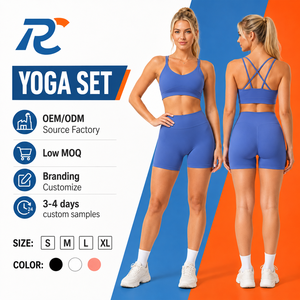
Can multiple product categories (e.g., sweat suits, yoga sets, hoodies, and accessories) be consolidated in one shipment?
Yes. Because Haraka Sports operates fully integrated specialized production units across sportswear, activewear, technical knitwear, and leather/nylon fitness accessories in Sialkot, we can consolidate diverse product lines into a single export carton container shipment. This drastically reduces customs clearance fees, freight costs, and logistical complexity for importers.
Partner with a Leading CE Certified Factory Today
Ready to scale your activewear line with guaranteed quality, certified safety standards, and factory-direct pricing?