30+
Global Export Countries
AQL 1.5/2.5
Inspection Standard
7–12 Days
Tech-Pack Sampling
100%
In-House Lab Testing
Product Showcase
High-Performance Wholesale Athleticwear Portfolio
Engineered for professional sports teams, gym chains, activewear brands, and global private labels. Manufactured under rigorous quality control and custom technical specifications.
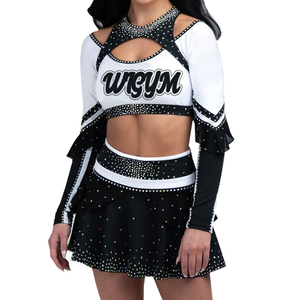
Teamwear
Rhinestone Detail
Custom All Star Cheerleading Uniforms Wholesale Bulk Rhinestone Performance Apparel
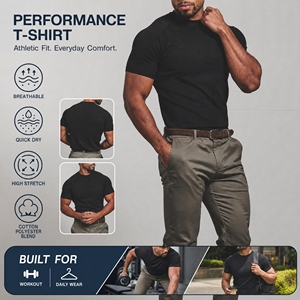
Muscle Fit
Raglan Sleeve
High Quality Performance Muscle Fit t Shirt for Men Raglan Sleeve Activewear Sports Style
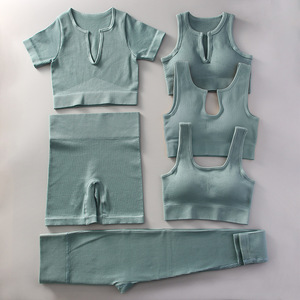
Seamless Gym
2-Piece Set
Women 2 Piece Workout Set Stitched Sports Yoga Bra Seamless High Waist Shorts Tracksuit
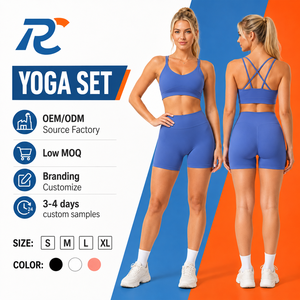
High Waist
Squat-Proof
Wholesale Women's High Performance 2pcs Yoga Set Seamless Workout Bra Leggings Custom Logo
100% Polyester
Quick Dry
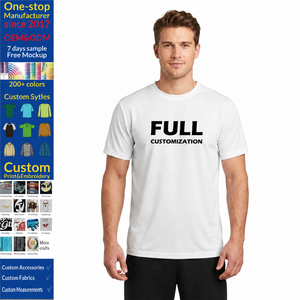
Men's Custom Performance T-Shirt Quick Dry Loose Fit Knitted Running Apparel
3-Piece Set
Compression
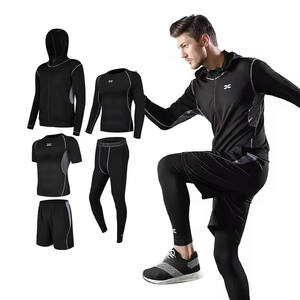
Men's Quick Dry Gym Sports Suit Long Sleeve Fitness Running Clothes with Yoga Tights
Ultralight
Marathon Grade
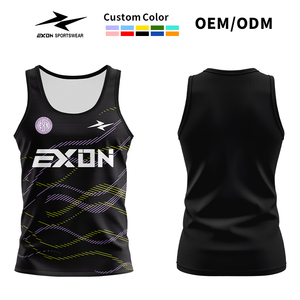
EXON Lightweight Performance Running Singlet Professional Vest for Marathon Training
UPF 50+
Sublimated Hooded
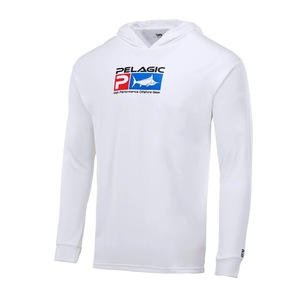
Custom Performance UV Protection Quick Dry Sublimation Long Sleeve Hooded Fishing Jersey
Strategic Sourcing Analysis
Navigating China's Athleticwear Manufacturing Ecosystem
The global sportswear and activewear industry has undergone a seismic shift toward technical performance, sustainable raw material integration, and compressed production lead times. As overseas procurement managers, athletic brand directors, and corporate buyers evaluate China top athleticwear manufacturers, understanding the underlying supply chain infrastructure is vital for establishing a resilient, scalable, and cost-efficient sourcing architecture.
China remains the undisputed epicenter of technical apparel manufacturing, driven by vertically integrated textile hubs across Fujian (Jinjiang/Quanzhou), Guangdong (Dongguan/Guangzhou), and Zhejiang (Yiwu/Shaoxing). These specialized regional clusters offer end-to-end capabilities spanning synthetic fiber synthesis, circular knitting, high-gauge elastane weaving, automated digital sublimation, and precision cut-and-sew operations.
Vertical Material Integration
Leading manufacturers control fabric dyeing, yarn extrusion, and functional chemical finishes (moisture-wicking, anti-microbial, UPF protection) in-house, cutting material lead times by up to 35% compared to fragmented suppliers.
Advanced Seamless & Bonding
Transitioning from traditional flatlock stitching to ultrasonic seam-bonding and multi-gauge Santoni seamless circular knitting, minimizing friction points and enhancing ergonomic athletic mobility.
Rigorous QA Compliance
Adherence to international compliance frameworks including OEKO-TEX Standard 100, GRS (Global Recycled Standard), ISO 9001, and AQL 1.5/2.5 pre-shipment audit standardizations.
Manufacturing Excellence
Factory Direct Advantages & Quality Management Pillars
Combining generations of garment manufacturing legacy with cutting-edge textile innovation to deliver institutional-grade activewear solutions.
1. Raw Material Laboratory & Fabric Verification
Every incoming fabric roll undergoes mandatory physical and chemical evaluation before entering production lines. Our internal testing protocols verify:
- GSM Tolerance Audit: Digital weight verification ensuring ±3% consistency against tech-pack specs.
- Dimensional Stability & Shrinkage: AATCC 135 testing for post-wash shape retention.
- Color Fastness: ISO 105 tests for washing, perspiration, and friction resistance.
- Pilling Resistance: Martindale abrasion testing exceeding Grade 4.0 standards.
2. Specialized Chain System & Assembly Efficiency
Our modernized production facilities utilize modular unit production systems (UPS) coupled with automated computer-guided stitching machinery:
- 4-Needle 6-Thread Flatlock Lines: Engineered for extreme tensile stretch in compression wear.
- Automated Laser Cutters: High-precision pattern cutting eliminating edge fraying and dimensional deviation.
- Epson Sublimation Printing: High-resolution Italian ink transfer guaranteeing vibrant, non-fading designs.
- Needle Control & Metal Detection: 100% garment scan before carton sealing for consumer safety.
3. Full Private Label ODM & Tech Pack Development
We turn concept sketches into store-ready retail products through dedicated pattern-making rooms and experienced technical merchandisers:
- Digital Pattern Grading: CAD-based size grading optimized for Western, Asian, and European fit profiles.
- Custom Trim Sourcing: Woven brand labels, heat-seal logos, branded elastic bands, and silicone grips.
- Rapid Sample Turnaround: Prototype samples and sublimation strike-offs delivered within 7 to 12 working days.
- Low MOQ Flexibility: Customized order scaling from 50 pcs per team style to 300 pcs for retail collections.
4. Documented Quality Control (In-Line to Pre-Shipment)
Quality assurance is not a final check—it is a continuous operational discipline executed at every manufacturing milestone:
- Hourly QC Roving Checks: Spot audits at stitching stations to catch needle defects early.
- Boiler Steam Finishing: Dimensional conditioning and wrinkle-free steam pressing.
- AQL 1.5/2.5 Final Inspections: Comprehensive audit reports provided for buyer approval prior to dispatch.
- Consolidated Logistics Support: Single-shipment packing for apparel, knitwear, and accessories.
Technical Reference
Athleticwear Fabric & Blend Specification Matrix
A comparative guide for brand managers selecting optimal material compositions for performance apparel lines.
| Fabric Material Blend |
Typical GSM Range |
Key Technical Properties |
Primary Athletic Applications |
Recommended Finishing |
| Nylon 6.6 / Spandex (80/20) |
220 - 300 GSM |
High stretch recovery, buttery-soft tactile feel, squat-proof opacity |
Premium Yoga Pants, Leggings, Sports Bras |
Peached / Brushed finish, Anti-pilling |
| Recycled Polyester / Elastane (85/15) |
160 - 240 GSM |
Eco-friendly GRS certified, fast moisture evaporation, sublimatable |
Fitness Tops, Running Tees, Training Shorts |
Quick-dry micro-groove finish |
| Polyester Micro-Mesh Interlock |
130 - 180 GSM |
High air permeability, lightweight, tear-resistant warp knit |
Marathon Singlets, Soccer & Basketball Kits |
Anti-bacterial silver ion coating |
| Combed Cotton / Poly / Elastane Fleece |
280 - 380 GSM |
Thermal insulation, heavy hand-feel, structured drape |
Gym Hoodies, Sweatpants, Warm-up Tracksuits |
Garment wash, Brushed back fleece |
| Polyester / Spandex Compression Warp Knit |
250 - 320 GSM |
Zoned muscle compression, targeted vascular support |
Recovery Tights, Athletic Base Layers |
Flatlock seam construction |
Market Intelligence
Future Procurement & Sourcing Trends in Activewear
Key shifts shaping global athleticwear sourcing, sustainable manufacturing compliance, and smart textile integration over the next decade.
Trend 1: Circular Economy & Recycled Synthetics (GRS)
Global brands are mandating the shift from virgin petroleum synthetics to certified post-consumer Recycled Polyester (rPET) and regenerated Nylon (Econyl). China top athleticwear manufacturers are investing heavily in closed-loop dyeing technology that reduces water consumption by 40% while meeting global Global Recycled Standard (GRS) traceability requirements.
Trend 2: Seamless Body-Mapping & Smart Micro-Climate Fabrics
Activewear is evolving from uniform fabric panels to zone-engineered garments. Using advanced circular seamless knitting, manufacturers incorporate breathable mesh structures directly into high-sweat zones (underarms, spine) and firmer compression density around active muscle groups—eliminating unnecessary bulk and seam friction.
Trend 3: Digital Tech Pack Integration & Virtual 3D Sampling
To eliminate physical sampling waste and compress 30-day development cycles down to under a week, top tier OEMs utilize 3D garment simulation software (CLO3D / Browzwear). Buyers inspect fabric drape, tension maps, and print placements virtually before physical fabric is cut.
Trend 4: Agile Low-MOQ Sourcing & Dynamic Supply Chains
Faced with fluctuating retail demand, global buyers are replacing mega-batch orders with quick-turnaround core replenishable programs. Factories featuring modular production lines can seamlessly execute small-batch runs (150-300 pcs) without imposing cost penalties on international brands.
Manufacturing Control
6-Stage Standardized Production Workflow
How every purchase order is executed from initial raw material receipt to final sealed container export loading.
01
Fabric & Trim Quarantine
Incoming yarn and fabric lots are quarantined. Lab tests verify GSM, shade matching, shrinkage, and stretch elasticity against buyer tech packs before release.
02
Precision Automated Cutting
Computerized marker layout maximizes fabric yield. Hydraulic presses cut panels accurately, followed by bundle tagging to prevent shade variation during assembly.
03
Chain-System Stitching
Specialized stitching lines execute flatlock, overlock, and coverstitch operations. Hourly roving QC audits inspect seam strength and stitch-per-inch (SPI) compliance.
04
Embellishment & Sublimation
High-density heat transfers, reflective logos, silicone grips, or full-surface digital sublimation are applied under controlled thermal pressure for durability.
05
Boiler Steam Finishing
Garments undergo high-pressure steam pressing for dimensional stability. Thread trimming and 100% visual inspection remove any cosmetic imperfections.
06
AQL Audit & Metal Scan
Pre-shipment AQL 1.5/2.5 inspection is performed. sealed polybags pass through needle metal detectors before master carton boxing and shipment release.
Buyer Knowledge Base
Frequently Asked Athleticwear Procurement FAQs
Clear answers to crucial sourcing questions for corporate apparel buyers, brand founders, and procurement directors.
What are the typical Minimum Order Quantities (MOQs) for custom athleticwear manufacturing?
Our manufacturing facilities offer flexible MOQ structures tailored to different product categories. For full-sublimation athletic kits (such as basketball, soccer, cycling, and running jerseys), our development run starts at 50 pieces per style. For custom cut-and-sew activewear (such as seamless yoga sets, leggings, hoodies, and compression tights), the typical base MOQ is 150 to 300 pieces per style, which can be split across multiple standard size runs (S through XXL) and up to 3–4 colorways.
What is the turnaround timeline for pre-production samples and bulk orders?
Once technical tech packs and artwork vector files are approved, pre-production fit samples and sublimation strike-offs are released within 7 to 12 working days. Bulk production lead times generally range between 25 and 40 calendar days, depending on custom fabric milling requirements, dyeing complexities, embellishment techniques, and order volume. Repeat orders utilizing established patterns run on an accelerated timeline.
Do you offer complete OEM/ODM private label packaging and custom branding?
Yes, we provide turnkey OEM and ODM services. Our in-house pattern room and design center can build private label collections from basic design sketches or mood boards into graded tech packs. Our branding capabilities include customized heat-transfer care labels, woven neck labels, custom logo elastic bands, silicone print detailing, engraved zippers, custom hangtags, and custom printed polybag packaging ready for direct distribution.
How do you ensure fabric quality, color accuracy, and squat-proof opacity in leggings?
Every fabric roll undergoes rigorous in-house laboratory testing prior to cutting. For activewear leggings, we utilize high-gauge interlock knit structures combining premium Nylon 6.6 or Recycled Polyester with high-ratio Spandex (18%-25%). Opacity is tested under high tension using digital light meters to guarantee 100% squat-proof performance. Color consistency is controlled via Pantone matching systems (TCX/TPG) under standardized D65 light boxes.
What international quality certifications and social compliance standards do your facilities adhere to?
Our manufacturing operations comply with international quality management systems (ISO 9001). All fabric raw materials utilized are certified skin-safe under OEKO-TEX Standard 100, and recycled synthetic fabrics carry GRS (Global Recycled Standard) certification. Our facilities welcome third-party inspections (SGS, Intertek, Bureau Veritas) at any stage of the production cycle.
Can different sportswear product categories be consolidated into a single shipment?
Yes. Because our operations encompass specialized production divisions for sublimated sportswear, seamless activewear, fleece knitwear, waterproof outerwear, and fitness accessories (gloves, lifting belts, wraps), buyers can consolidate multi-category seasonal collections into a single export container. This significantly reduces international freight charges, import clearance overhead, and documentation complexity.
Partner with China's Premier Athleticwear Manufacturer
Whether you are launching a high-performance activewear line, scaling an established sportswear brand, or seeking direct factory pricing for wholesale distribution, our engineering team is ready to execute your vision with precision and speed.