
Technical Whitepaper: Strategic Sourcing & Engineering Guide for Commercial Dip Belts
In the rapidly evolving global strength training and fitness accessory market, weighted dip belts serve as an essential equipment tier for progressive overload in bodyweight movements such as weighted dips, pull-ups, and belt squats. As commercial gym operators, boutique strength studios, and specialized fitness retail brands expand their product lines, sourcing from premier manufacturing partners in China has become a cornerstone of sustainable profit margins and product reliability.
This technical whitepaper provides B2B sourcing managers, procurement directors, and fitness brand owners with an exhaustive analysis of dip belt engineering, material science, tensile strength testing, factory audit protocols, and global supply chain dynamics for 2025 and beyond.
Information Gain Insight: Modern dip belt manufacturing requires a critical convergence of ergonomic lumbar pressure distribution, heavy-gauge metallurgical integrity, and industrial bar-tack stitching. Choosing a factory with integrated raw material testing reduces field-failure return rates by up to 94%.
Material Engineering & Load Distribution Architecture
The structural integrity of a commercial weighted dip belt relies entirely on how effectively tension forces are routed across the user's lower back and hips during extreme loads (often exceeding 300 to 500 lbs of suspended weight plate resistance). Manufacturers utilize three primary material architectures:
1. Heavy-Duty Neoprene with High-Density Foam Core
Neoprene composite dip belts represent the modern industry standard for functional fitness and bodybuilding. Constructed using multi-layered synthetic rubber sandwiched between breathable polyester or nylon mesh, neoprene provides exceptional flexibility and immediate contouring to the athlete’s natural waist curvature. The internal core features 6mm to 10mm high-density EVA (Ethylene-Vinyl Acetate) foam padding, which dampens localized shearing stress against the lumbar spine during heavy descent phases.
2. Genuine Full-Grain & Top-Grain Cowhide Leather
For traditional powerlifting and strongman applications, full-grain cowhide leather remains unmatched in rigidity and longevity. Premium Chinese factories utilize vegetable-tanned or chrome-tanned leather hides measuring between 6mm to 8mm in total thickness. Reinforced with dual-line heavy nylon stitching, leather dip belts resist stretching over years of intense commercial gym abuse. However, ergonomics require precise beveling on the top and bottom edges to prevent skin chafing.
3. Ultra-High-Molecular-Weight Nylon Webbing
Engineered for lightweight portability and maximum tensile resistance, military-grade ballistic nylon webbing belts utilize multi-ply woven fibers. Nylon belts offer high water/sweat resistance and can easily accommodate dye-sublimation custom artwork, making them ideal for high-volume private-label promotional campaigns.
| Material Type | Tensile Load Limit | Comfort & Ergonomics | Customization Potential | Target B2B Segment |
|---|---|---|---|---|
| Multi-Layer Neoprene + EVA | Up to 600 lbs (272 kg) | High (Immediate Contour) | Sublimation, Rubber Patch, Heat Transfer | Commercial Gyms, Crossfit Boxes, E-commerce |
| Full-Grain Cowhide Leather | 1,000+ lbs (453 kg) | Moderate (Requires Break-in) | Embossing, Laser Etching, Screen Print | Powerlifting Federations, Hardcore Strength Gyms |
| Ballistic Nylon Webbing | 800+ lbs (362 kg) | Moderate-High | Woven Label, Jacquard Webbing, Sublimation | Retail Chains, Tactical Fitness Brands |
Metallurgy & Hardware Specifications: Chains vs. Heavy-Duty Straps
The suspension system connects the belt body to the suspended load. Structural failures in low-cost dip belts almost universally stem from sub-standard chain link welds or thin zinc-plated carabiners. China’s leading export-grade manufacturing plants enforce strict metallurgical specs:
- Steel Chain Quality: Electro-galvanized or 304 Stainless Steel chains with a link wire diameter of no less than 6.0mm. Each link undergoes continuous resistance butt-welding to ensure uniform stress distribution under dynamic movement.
- Carabiner & D-Ring Hardware: Heavy-duty forged alloy steel D-rings sewn into the belt wings with multi-pass box-x stitching. Carabiners must feature screw-lock gate options or heavy spring clips rated for minimum breaking strength (MBS) of 15kN.
- Alternative Heavy-Duty Nylon Webbing Straps: Emerging procurement trends favor high-strength nylon loading straps replacing traditional steel chains. Strap systems decrease tare weight in shipping containers and eliminate metallic clanking noise in commercial facilities while maintaining equal load capacity.
Future Procurement & Sourcing Trends (2025–2030)
To maintain competitive advantage in global e-commerce and retail supply chains, procurement professionals must anticipate structural shifts in consumer expectations and manufacturing technologies.
Hybrid Ergonomic Designs
Integration of rigid contoured lumbar backplates with flexible neoprene flanks, ensuring targeted spinal stabilization without compromising hip mobility during deep dip range-of-motion.
Eco-Conscious Materials
Global buyer demand is accelerating toward GRS-certified (Global Recycled Standard) recycled polyester webbing, water-based non-toxic adhesives, and REACH-compliant eco-leathers.
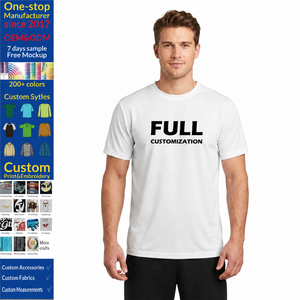
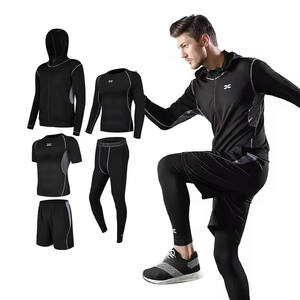
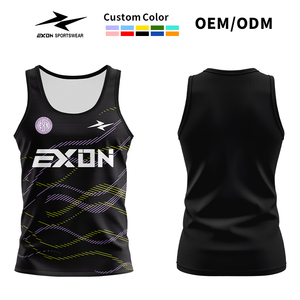
Full-Suite OEM Apparel Consolidation
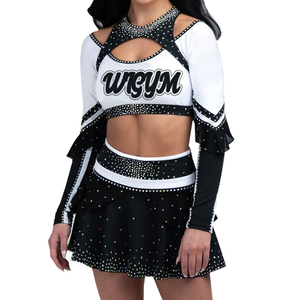
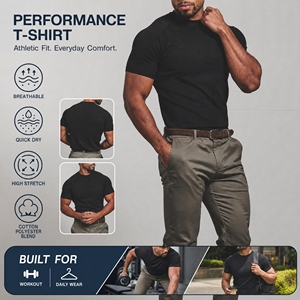
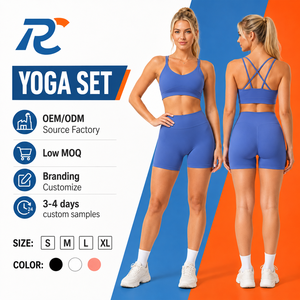
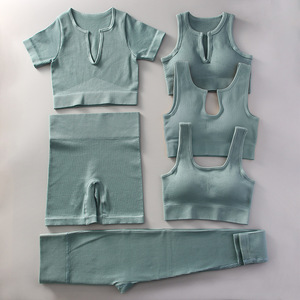
Importers increasingly bundle heavy fitness accessories (belts, straps, gloves) with high-turnover activewear and custom gym apparel within single container shipments to minimize freight overhead.
Integrated OEM/ODM Manufacturing & Quality Assurance Ecosystem
As a leading vertically integrated facility, our production matrix spans specialized industrial leatherwork, heavy webbing assembly, micro-mesh performance apparel, and sublimated activewear. By operating parallel dedicated lines for soft goods and hardware accessories, we ensure absolute consistency across complete product ecosystems.
Our quality control protocol is structured around six mandatory gates aligned with international AQL 2.5 standards:
Raw Material Audit
Incoming fabric, leather hides, and steel chains undergo lot-wise GSM, thickness, pull-strength, and colorfastness testing before store clearance.
Precision Cutting
Automated hydraulic presses and laser pattern cutting ensure sub-millimeter panel precision, preventing sizing variances across bulk runs.
Chain-System Stitching
High-tensile nylon threads are applied via computer-controlled bar-tacking and double-needle lockstitch machines for critical structural seams.
Destructive Load Testing
Random batch sampling undergoes pneumatic pull testing up to 1,000 lbs to guarantee structural hardware integrity under catastrophic dynamic stress.
Steam Finishing & Branding
High-pressure boiler steam cleaning, silicone label heat-transfer application, custom laser embossing verification, and thread trimming.
AQL 2.5 Pre-Shipment Audit
Documented end-line inspection verifying barcode placement, polybag artwork, carton drop-test compliance, and assortment accuracy prior to sealing.