The global market for athletic outerwear, specifically technical track tops, warm-up jackets, and multi-functional performance tracksuits, has undergone a structural transformation. Modern commercial buyers—ranging from established sportswear conglomerates to high-growth private label activewear brands—require far more than standard cut-and-sew services. Navigating the landscape of China Top Track Tops Manufacturers & Suppliers demands an enterprise-grade understanding of raw material synthesis, structural seam engineering, automated pattern digitization, and rigorous quality assurance benchmarks like ISO 9001 and AQL 2.5.
Key Sourcing Takeaway: Superior track top manufacturing relies on vertically integrated capabilities—combining raw yarn texturizing, specialized knit/weave milling, dynamic digital sublimation printing, and seam-sealing bonding technology under one unified quality management protocol.
1. Fabric Engineering: Grammage (GSM), Fiber Blends & Functional Laminates
Track tops serve dual functions: micro-climate management for elite athletes during pre-workout routines, and premium aesthetic appeal for urban sportswear retail lines. Leading Chinese apparel manufacturers utilize specialized fabric architectures tailored to exact end-use intent:
| Track Top Category |
Dominant Material Composition |
Fabric Weight (GSM) |
Key Technical Properties |
| Retro Tricot Track Jackets |
100% Warp-Knit Polyester Tricot |
220 – 280 GSM |
High luster sheen, anti-snagging, dimensional stability, brushed fleece interior. |
| Performance Gym Warm-Up Tops |
88% Polyester / 12% Spandex Interlock |
240 – 300 GSM |
4-way elastic memory, moisture-wicking capillary action, quick-dry finish. |
| All-Weather Outdoor Shell Tops |
Nylon Taslan / TPU Membrane / Mesh |
140 – 180 GSM |
10,000mm hydrostatic water column pressure resistance, 8,000 g/m²/24h breathability. |
| Heavyweight Urban Fleece Tops |
80% Combed Cotton / 20% Polyester French Terry |
320 – 400 GSM |
Ultra-soft handfeel, minimal wash shrinkage (<3%), high heat-retention index. |
2. Seam Precision, Hardware Durability, and Construction Mechanics
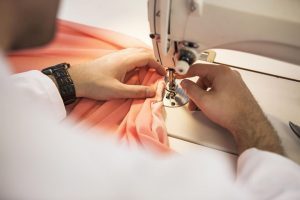
The durability of a technical track top is fundamentally determined by stitch integrity and hardware selection. Premier manufacturers implement four-needle six-thread flatlock stitching along high-stress articulatory seams (such as raglan sleeve joints and lateral torso panels) to minimize internal friction against skin. Critical stress points—including zipper stoppers, welt pocket margins, and collar stand anchors—are reinforced with high-density automated bar-tacking (minimum 28 to 36 stitches per bar-tack spot).
Hardware selection forms another vital compliance layer. High-spec track tops utilize auto-lock reverse coil zippers (such as genuine YKK or certified SAB hardware) designed to withstand over 10,000 continuous pull cycles. TPU-coated waterproof zipper tape is systematically deployed on all-weather storm shell track jackets to prevent water ingress during intense outdoor conditioning.