Engineered Technical Outerwear Showcase
Custom OEM/ODM performance jackets, weather-shield activewear, and sublimated outdoor apparel for global brands and wholesale importers.
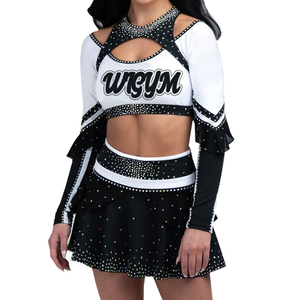
Custom All-Star Performance Outerwear & Performance Team Wear Shell Jacket
- Sublimated & Cut-and-Sew Options
- Reinforced Flatlock & Taped Seams
- High-Tenacity Weatherproofing
Send an Inquiry
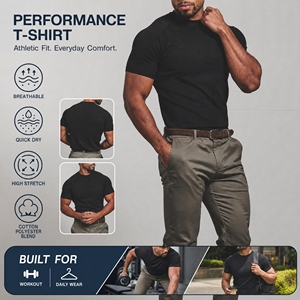
High Quality Performance Muscle Fit Activewear Thermal Outdoor Base Top
- 4-Way Stretch Ergonomic Fit
- Moisture-Wicking Polymer Blend
- Raglan Sleeve Articulation
Send an Inquiry
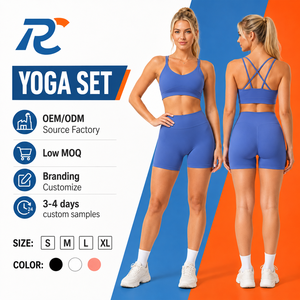
Weatherproof 2-Piece Active Tracksuit & Weather-Shield Performance Set
- High-Waist Bonded Construction
- Seamless Knit Comfort Technology
- Breathable Membrane Laminate
Send an Inquiry
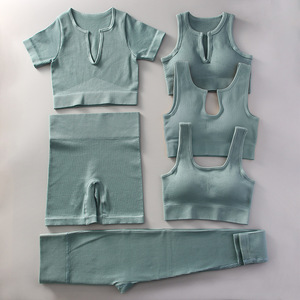
Wholesale High-Performance 2-Piece Outdoor Activewear & Windbreaker Set
- Custom Branding & Logo Execution
- Windproof & Hydrophobic Finish
- Multi-Colorway Batch Printing
Send an Inquiry
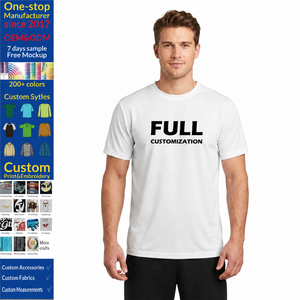
Men's Technical 100% Polyester Quick-Dry Performance Outdoor Shell Top
- Hydrophilic Fabric Finish
- Abrasion-Resistant Knitted Weave
- Loose-Fit Layering Design
Send an Inquiry
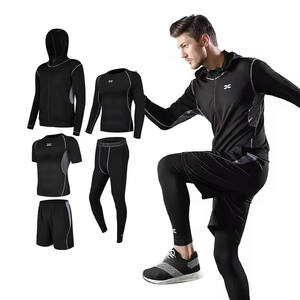
All-Weather 3-Piece Outdoor Running & Trekking Thermal Layer Suit
- Integrated Compression Tights
- Thermal Regulation Micro-Fleece
- Multi-Season Versatility
Send an Inquiry
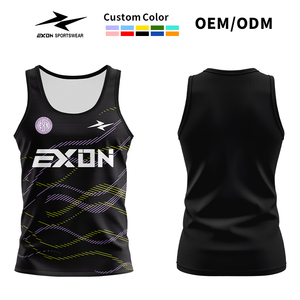
Ultralight Technical Performance Shell Singlet for Marathon & Trail Events
- Featherweight Micro-Mesh Fabric
- Anti-Chafing Bonded Hems
- High MVTR Breathability Rating
Send an Inquiry
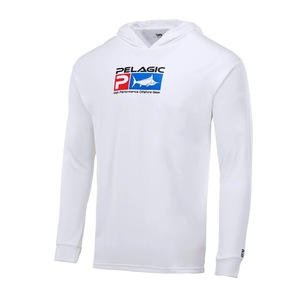
Custom UV Protection Quick-Dry Sublimated Outdoor Hooded Fishing Jacket
- UPF 50+ Sun Protection Shield
- Sublimated Graphics (Zero Fade)
- Integrated Face & Hood Cover
Send an Inquiry
3rd Gen
Manufacturing Heritage
20,000+
Hydrostatic Head (mm H₂O)
AQL 2.5
Strict Inspection Standard
25-40 Days
Bulk Delivery Lead Time
Strategic Sourcing & Manufacturing Excellence in Outdoor Outerwear
An in-depth analysis of supply chain dynamics, membrane lamination technologies, quality control benchmarks, and compliance protocols for international buyers.
The global market for outdoor jackets, technical shells, and waterproof apparel has entered a transformative era driven by extreme weather patterns, heightened consumer performance expectations, and stringent international sustainability mandates. For global procurement directors, brand owners, and wholesale importers, navigating the landscape of China Wholesale Outdoor Jackets Suppliers & Exporters requires far more than comparing unit FOB prices. It demands a rigorous evaluation of technical capabilities, textile science expertise, seam-sealing engineering, and transparent quality assurance frameworks.
As a leading third-generation vertically integrated OEM/ODM manufacturer with decades of expertise, our facilities synthesize advanced cut-and-sew operations, sublimation printing, and technical laminate bonding to deliver outerwear built performance-first. This comprehensive whitepaper serves as an industry roadmap for sourcing high-grade waterproof, windproof, and breathable outdoor jackets directly from validated manufacturing hubs.
Information Gain Benchmark: Technical outerwear manufacturing success hinges on balancing hydrostatic head pressure (waterproofness) with Moisture Vapor Transmission Rates (MVTR breathability) without compromising garment durability or eco-compliance standards like GRS (Global Recycled Standard) and OEKO-TEX® Standard 100.
1. Technical & Material Innovation Trends in Outdoor Outerwear
Modern outdoor enthusiasts and technical apparel users demand versatility across diverse climate conditions. The technological evolution of outdoor jacket manufacturing is centered around three critical material pillars:
⚡
Multi-Layer Membrane Laminates
Transitioning from traditional 2-layer constructions toward advanced 2.5-layer and 3-layer (3L) micro-porous ePTFE and thermoplastic polyurethane (TPU) membranes. These membranes deliver hydrostatic head ratings exceeding 15,000mm to 20,000mm H₂O while maintaining RET (Resistance to Evaporative Heat Transfer) scores under 6.
🌿
Fluorocarbon-Free DWR Coatings
With global legislation phasing out PFAS and PFCs, top-tier factories utilize non-fluorinated Durable Water Repellent (C0 DWR) treatments. These silicone- and plant-based hydrophobic matrices achieve Grade 4+ water repellency retention even after 20 standard domestic laundry cycles.
🛡️
Seam Sealing & Bonding Precision
Waterproof fabric is only as reliable as its weakest seam. Automated hot-air seam-sealing machines apply 3-layer polyurethane or TPU sealing tapes across all needle punctures at precise temperatures (up to 450°C) and controlled pneumatic pressures, eliminating water entry under pressure.
♻️
Recycled & Circular Synthetics
Substantial growth in Post-Consumer Recycled (PCR) polyester (rPET) and regenerated nylon (Econyl®). High-grade 75D and 50D mechanical stretch ripstop shells crafted from ocean-bound plastics provide identical tear strength and abrasion resistance to virgin polymers.
Outerwear Performance & Testing Matrix
When engineering custom outdoor jacket collections, buyers can benchmark technical performance specifications across key end-use categories:
| Jackets Category |
Waterproof Rating (ISO 811) |
Breathability MVTR (JIS L 1099 B1) |
Primary Fabric Shell |
Seam Construction |
| Alpine & Extreme Outerwear |
20,000mm - 30,000mm H₂O |
20,000 g/m²/24h |
3L Nylon 70D Ripstop + ePTFE Membrane |
100% Fully Taped Hot-Air Seams (13mm Tape) |
| Trekking & Rain Shells |
10,000mm - 15,000mm H₂O |
12,000 g/m²/24h |
2.5L Recycled Polyester 50D Dobby |
Fully Taped Critical & Main Body Seams |
| Active Trail Running Shells |
5,000mm - 8,000mm H₂O |
25,000 g/m²/24h |
2L Micro-Grid Mechanical Stretch Poly |
Ultrasonic Bonded Seams with Micro-Taping |
| Urban Tech Softshells |
8,000mm H₂O (Water-Resistant) |
8,000 g/m²/24h |
3-Layer Bonded Softshell + Polar Fleece Inner |
Reinforced Flatlock / Overlock Stitching |
2. Future Sourcing & Procurement Trends (2025–2030)
The global supply chain for sportswear and outerwear is undergoing a structural paradigm shift. Overseas buyers and sourcing managers must align their procurement strategies with four key future trends:
A. Digital Twin Prototyping and 3D CLO Tech Packs: Traditional physical sampling cycles (taking 4 to 6 weeks) are rapidly being replaced by 3D CAD pattern grading and virtual fitting simulation. By rendering digital twin samples, brand buyers can approve silhouette drape, pocket placement, and colorway variations in days, cutting pre-production lead times by over 60%.
B. Agility Through Low MOQ Matrix Programs: Inventory carrying costs and volatile retail demand have made massive minimum order quantities (MOQs) a liability. Leading manufacturers now offer flexible batch runs—starting from 50 pieces per style for sublimated team/corporate wear and 150–300 pieces for custom cut-and-sew technical outerwear—allowing brands to test market demand with minimal financial exposure.
C. End-to-End ERP Traceability and Compliance Audits: International customs regulations, including the European Union's Digital Product Passport (DPP) and stringent anti-forced labor compliance acts, necessitate full transparency. Reliable exporters track batch-level raw material origins—from yarn spinning and weaving mills to dye houses and final sewing lines—documenting GSM, color fastness, and shrinkage metrics per purchase order.
D. Nearshore/Offshore Dual-Hub Freight Optimization: Strategic buyers are leveraging consolidated export hubs in East and South Asia to balance labor efficiency with streamlined sea and air freight routing, reducing shipping delays and landed unit costs.
Integrated 6-Stage Manufacturing & Quality Assurance Framework
Referencing decades of industrial heritage, our factory operates under a strict, documented quality management system executing AQL 2.5 standards across every purchase order.
01
Fabric Inspection & Material Quarantine
Every incoming roll of shell fabric, fleece, and membrane is quarantined. QA technicians verify lot-wise GSM (g/m²), usable width, tear strength, pilling resistance, and color fastness to washing, rubbing, and perspiration against approved swatches.
02
Precision Cutting & Bundle Management
Marker efficiency is optimized using automated CAD software. Fabric layers are spread under controlled tension and cut via hydraulic presses or high-precision laser cutters. Every panel is bundle-numbered to guarantee absolute shade-band consistency during assembly.
03
Chain-System Specialised Stitching
Numbered panel bundles are fed into specialized chain-system sewing lines. Operators specialize in designated operations (e.g., zipper insertion, sleeve articulation, hood assembly). Hourly in-line roving inspections check stitches per inch (SPI) and seam tension.
04
Hot-Air Seam Taping & Waterproof Audit
Critical seams undergo high-temperature tape lamination. Random garment samples are taken directly off the line and subjected to hydrostatic pressure testing machines to ensure seam impermeability under hydrostatic head pressures above 10,000mm H₂O.
05
Boiler Steam Finishing & End-Line Audit
Finished outerwear is ironed on high-pressure boiler steam stations to stabilize garment geometry and relax fabric tension. 100% of garments pass thread trimming and end-line measurement audits against graded specification size sheets.
06
Pre-Shipment AQL 2.5 Final Inspection
Independent internal inspectors pull random samples from packed export cartons based on ISO 2859-1 (AQL 2.5 Major / 4.0 Minor) standards. Barcodes, polybag artwork, hangtags, metal detection records, and carton markings are verified prior to shipment sign-off.
Why Global Brands & Importers Partner With Us
1. Dedicated Merchandising Communication: Every account is assigned a senior English-speaking apparel merchandiser providing weekly written status reports, photo/video production milestones, and direct line access.
2. Rapid Sampling & Turnaround: Fit samples, fabric hand-feel swatches, and sublimation strike-offs are dispatched within 7 to 12 working days following tech pack lock-in. Bulk production is delivered reliably within 25 to 40 days.
3. One-Stop Private Label OEM/ODM: From pattern drafting, custom woven neck label creation, silicone heat-transfer logos, zipper puller customization, to custom polybag packaging—we execute full private label programs under one accountable roof.
Frequently Asked Questions (FAQ) for B2B Sourcing
Comprehensive answers to common procurement, technical customization, and export logistics inquiries from global trade buyers.
What is the Minimum Order Quantity (MOQ) for custom outdoor jackets?
For fully sublimated team or corporate outerwear, our minimum order starts from just 50 pieces per style. For custom cut-and-sew technical jackets (such as 3-layer waterproof shells, softshells, or insulated winter coats), our standard production run begins at 150 to 300 pieces per style, which can be split across multiple sizes and up to 4 custom colorways.
How do you ensure hydrostatic waterproofness and seam integrity?
We utilize imported multi-head hot-air seam sealing equipment paired with automated pneumatic pressure controls. Every incoming fabric lot is pre-tested for hydrostatic head resistance using ISO 811 certified pressure testers. During line production, random seam-taped samples undergo continuous hydro-pressure testing to guarantee 100% leak-proof reliability.
What are your typical sampling and bulk production lead times?
Proto samples, graded size fit samples, and sublimation strike-offs are completed and dispatched within 7 to 12 working days after artwork and tech pack sign-off. Bulk order production takes between 25 and 40 days, depending on fabric mill development schedules, embellishment complexity, and overall carton volume. Repeat orders utilizing approved patterns run on accelerated timelines.
Can you work from custom tech packs, mood boards, or physical samples?
Yes. Our in-house pattern room and R&D department can build complete private label collections directly from your digital tech packs, vector artwork, reference physical samples, or even initial sketch mood boards. We generate standardized CAD pattern files, spec sheets, and size grading tables for your final approval.
What social compliance and quality certifications do your facilities hold?
Our manufacturing facilities adhere to strict social compliance standards, operating under ISO 9001 quality management systems and third-party audited workplace compliance frameworks (such as BSCI and SEDEX). All raw materials used can be specified to meet OEKO-TEX® Standard 100, REACH, and Global Recycled Standard (GRS) certifications upon buyer request. Third-party inspection agencies (e.g., SGS, INTERTEK, BV) are fully welcomed to inspect orders at any production stage.
Can mixed product categories be consolidated into a single export shipment?
Absolutely. Because our manufacturing ecosystem covers specialized divisions for technical outerwear, team sportswear, activewear, fleece knitwear, and leather/nylon fitness accessories, buyers can consolidate diverse product lines into single container shipments (FCL/LCL). This significantly reduces international freight expenditure, customs clearance fees, and administrative overhead.
Ready to Elevate Your Outdoor Apparel Sourcing?
Contact our engineering and merchandising team today to receive physical fabric swatches, technical consultation, and competitive direct factory quotes.
Send an Inquiry