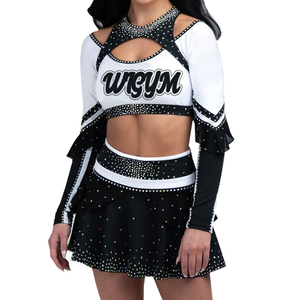
Custom All Star Cheerleading Uniforms Wholesale Bulk Rhinestone Performance Apparel
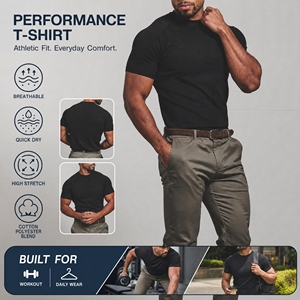
High Quality Performance Muscle Fit t Shirt for Men Raglan Sleeve Activewear
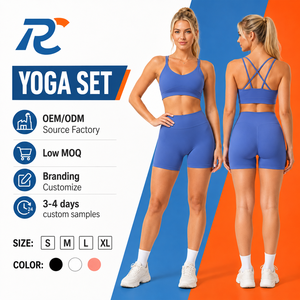
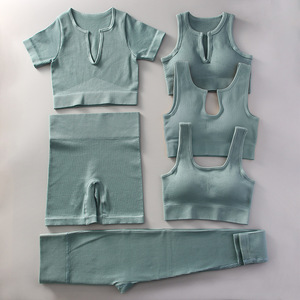
Women 2 Piece Workout Set Stitched Sports Yoga Bra Seamless High Waist Shorts
Wholesale Women's High Performance 2pcs Yoga Set Seamless Workout Bra Leggings
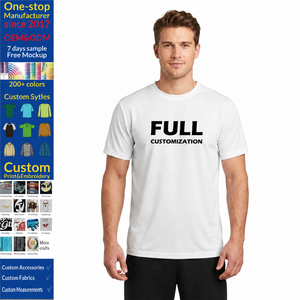
Men's Custom 100% Polyester Performance T-Shirt Quick Dry Loose Fit Apparel
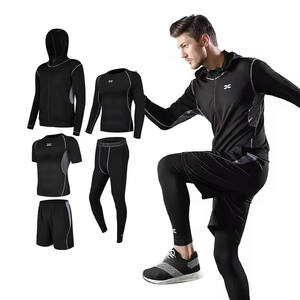
Men's Quick Dry Gym Sports Suit Long Sleeve Fitness Running Clothes 3-Piece
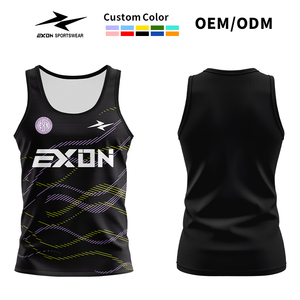
EXON Lightweight Performance Running Singlet Professional Marathon Vest
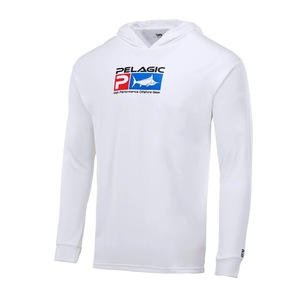
Custom Performance UV Protection Quick Dry Sublimation Hood Fishing Jersey
3rd Gen
Manufacturing Heritage
AQL 2.5
Quality Assurance Standard
30+
Global Export Markets
25-40 Days
Fast Bulk Lead Time
Executive Sourcing Brief: Athletic Hoodies & Sportswear Manufacturing for Kenya
The East African apparel sector is undergoing a structural transition. Driven by rapid urbanization in Greater Nairobi, an expanding middle class, and the undisputed global dominance of Kenya’s distance-running hubs, demand for technical athletic apparel has surpassed traditional cotton garments. For commercial brand owners, corporate apparel buyers, and institutional importers sourcing athletic hoodies in Kenya, locating verified OEM/ODM factories capable of matching European garment specifications at viable cost-per-unit metrics is a primary strategic imperative.
Kenya presents a unique microclimatic and operational landscape. While tropical coastal regions like Mombasa require highly breathable, UV-protective moisture management fabrics, high-altitude athletic centers such as Eldoret, Iten, and Kaptagat demand thermal insulating, wind-resistant brushed fleece and multi-layer technical hoodies. Bridging this gap requires an experienced manufacturing partner with specialized textile knowledge, rigid quality control workflows, and transparent export logistics tailored to the East African Community (EAC) market requirements.
Information Gain Note for Sourcing Managers: Sourcing athletic hoodies for Kenya requires dual-zone textile strategies: high-GSM brushed cotton-poly fleeces (320-380 GSM) for high-altitude training hubs, and hydrophobic 4-way stretch poly-spandex blends (240-280 GSM) for urban athleisure in Nairobi.
3rd Generation Production Heritage
Operating out of Sialkot’s premier industrial manufacturing zone, our facility spans two dedicated units (Daska Road and Small Industries Estate). With decades of refined cut-and-sew master craftsmanship, we eliminate agent markup by providing factory-direct pricing to East African distributors.
Rigid AQL 2.5 Quality Protocol
Every lot undergoes 6-stage quality auditing: from incoming fabric GSM and colorfastness testing to in-line roving checks, needle displacement control, steam pressing shape-retention audits, and pre-shipment carton verification.
Full Private Label ODM Support
We transform raw concepts and mood boards into production-ready graded tech packs. Our in-house design lab executes sublimation printing, 3D silicone heat transfers, heavy-density embroidery, custom neck labels, and custom polybag artwork.
Localized Application Scenarios Across Kenya
Understanding the micro-markets within Kenya is vital for private-label brand positioning. A uniform garment specification will fail if deployed homogenously across the country’s diverse athletic landscape. Below are four distinct commercial deployment scenarios for athletic hoodies in Kenya:
1. High-Altitude Endurance Camps (Eldoret, Iten, Kaptagat)
Athletes in the Rift Valley train at elevations exceeding 2,400 meters above sea level, where morning temperatures routinely drop to 5°C to 10°C. Athletic hoodies supplied to these elite training camps require heavyweight 340-380 GSM fleece featuring brushed-back thermal insulation, wind-blocking double-layered hoods, and ergonomic raglan sleeves to prevent seam friction during long warm-up miles.
2. Urban Athleisure & Fitness Clubs in Nairobi
Nairobi's commercial hubs—such as Westlands, Kilimani, and Karen—have seen an explosive surge in boutique CrossFit centers, pilates studios, and corporate wellness culture. The demand here centers on sleek, modern-fit midweight (280 GSM) French Terry hoodies. Attributes include anti-pilling treatments, dynamic 4-way stretch spandex accents, concealable media pockets, and minimalistic silicone logo branding.
3. Collegiate Leagues & School Athletic Associations
Schools and university sports federations across Kenya require durable, high-wash-cycle teamwear. Athletic hoodies engineered for institutional buyers utilize reinforced flatlock seams, anti-fade reactive dyeing, and heavy-duty ribbing at the cuffs and hem to endure frequent laundering and rigorous inter-school tournament usage.
4. Safari & Eco-Tourism Outdoor Staff Apparel
Kenya’s world-renowned eco-tourism sector (Masai Mara, Amboseli, Tsavo) requires specialized staff outerwear for early morning game drives. Hoodies engineered for safari lodges demand earth-toned color palettes (khaki, olive, tan), silent non-rustling micro-fleece linings, and high-UPF (50+) UV blocking treatments for all-day sun protection.
| Fabric Blend |
Grammage (GSM) |
Primary Feature |
Recommended Kenya Market Application |
Customization Compatibility |
| 80% Combed Cotton / 20% Polyester |
320 - 360 GSM |
Thermal Retention, Ultra-Soft Brushed Interior |
Eldoret & Iten Altitude Warm-Up Gear |
Screen Print, Puff Print, Heavy Embroidery |
| 100% Micro-Polyester Tech Fleece |
260 - 300 GSM |
Hydrophobic Quick-Dry, Moisture Wicking |
Nairobi Gym Wear & Outdoor Sports Leagues |
Full 200°C Sublimation, Heat Transfer |
| 92% Polyester / 8% Spandex Interlock |
240 - 280 GSM |
4-Way Stretch, High Elastic Recovery |
Urban Athleisure, Modern Slim-Fit Hoodies |
3D Matte Silicone, Reflective Vinyl Transfers |
| French Terry (Unbrushed Loopback) |
280 - 320 GSM |
Breathable Thermal Balance, Anti-Pilling |
Year-Round Daily Wear & Corporate Merchandising |
Woven Label Patch, Embossed Logos, Embroidery |
Kenyan Apparel Sourcing Dynamics & Development Trends
Importing custom athletic apparel into East Africa requires strategic alignment with local trade policies, consumer preferences, and compliance regulations. Sourcing directors must evaluate key structural trends shaping the Kenyan market:
1. Compliance with KEBS & PVOC Requirements
The Kenya Bureau of Standards (KEBS) enforces strict quality benchmarks regarding textile imports. Through the Pre-Export Verification of Conformity (PVoC) program, shipments entering the Port of Mombasa or Nairobi Inland Container Depot (ICD) must be accompanied by a Certificate of Conformity (CoC). Our manufacturing facility complies fully with ISO 9001 and AQL 2.5 protocols, ensuring colorfastness, pH balance, and chemical safety standards match KEBS criteria perfectly before container loading.
2. Rise of Direct-to-Consumer (D2C) Kenyan Fitness Brands
Kenya is experiencing a rapid proliferation of indigenous fitness brands seeking custom private-label athletic hoodies. Rather than purchasing generic stock apparel, Kenyan brand owners require flexible OEM minimum order quantities (MOQs starting at 150-300 pieces per style) with bespoke pattern grading, customized tech packs, custom neck taping, and branded polybag packaging.
3. Logistics Optimization: Sea Freight vs. Air Express
For large-volume orders destined for Nairobi or Mombasa, sea freight via Mombasa Port offers optimal cost efficiency, with typical transit times of 18-25 days from Asian ports. For time-sensitive athletic events, marathons, or promotional campaigns, air freight directly into Jomo Kenyatta International Airport (JKIA) provides expedited 4 to 7-day door-to-door transit.
01. Material Inspection
Every incoming fabric roll undergoes rigorous GSM auditing, color-matching under D65 standard light boxes, shrinkage testing, and anti-pilling evaluations prior to cutting store release.
02. Precision Cutting
CAD-generated marker plans maximize yield while hydraulic presses and automated cutter systems audit dimensional accuracy against approved tech specs.
03. Chain-System Stitching
Specialized flatlock, 4-needle overlock, and twin-needle coverstitch machinery operated by dedicated line seamstresses ensure structural integrity along stress points.
04. Steam Pressing & Audit
High-pressure industrial boiler steam irons stabilize finished garment silhouettes, followed by dimensional audits against graded size specifications.
05. Custom Embellishment
Application of high-definition screen printing, 200°C deep-penetration dye sublimation, silicone badging, or embroidery per tech pack directions.
06. AQL 2.5 Pre-Shipment
Final random sampling inspection of sealed polybags and export cartons to confirm barcode labeling, packaging ratios, and shipping mark compliance.
What is the minimum order quantity (MOQ) for custom athletic hoodies shipped to Kenya?
For custom cut-and-sew athletic hoodies (including custom fleece options, zipped styles, and custom dye orders), our baseline MOQ starts at 150 to 300 pieces per style, split across sizes and up to two colorways. For fully sublimated polyester hoodies, development runs can start as low as 50-100 pieces per design.
How do you handle KEBS / PVoC compliance for Kenyan customs clearing?
We provide full support for Pre-Export Verification of Conformity (PVoC). All fabric batches are tested for fastness, non-toxic dyes, and dimensional stability. We work alongside inspection bodies such as SGS, Intertek, or Bureau Veritas to issue the Certificate of Conformity (CoC) required for seamless clearance through Mombasa Port or Nairobi ICD.
What are the standard production and shipping lead times to Nairobi?
Sample development and tech pack approval take 7-12 working days. Bulk production requires 25-40 days depending on order volume and fabric complexity. Sea freight to Mombasa Port typically takes 18-25 days, while air express directly to Jomo Kenyatta International Airport (JKIA) takes 4-7 days.
Can we order custom private-label packaging and neck tags for our brand?
Yes. We offer complete OEM/ODM private labeling. This includes woven neck labels, heat-transfer care labels, customized swing tags with barcodes/KSH retail pricing, and custom-printed polybags engineered to your brand standards.
Which hoodie fabric blend is best suited for Kenya's climate?
For high-altitude training in regions like Eldoret or cool seasons in Nairobi, we recommend 320-350 GSM cotton-poly fleece. For warm coastal regions like Mombasa or high-intensity gym workouts, light 240-280 GSM polyester-spandex loopback or micro-fleece provides superior moisture management and breathability.
Ready to Start Your OEM/ODM Athletic Apparel Order?
Connect directly with our senior merchandising team to request fabric swatches, custom tech pack evaluations, and competitive direct-factory price quotes for the Kenyan market.