
Navigating China Fleece Hoodie Manufacturing for the Nigerian Apparel Market
An In-Depth Strategic Whitepaper on Material Selection, Harmattan Season Adaptability, Freight Clearing at Apapa Ports, and Direct Factory OEM Partnerships.
Executive Summary: Why Sourcing China Fleece Hoodies for Nigeria Demands Specialized OEM Expertise
The apparel retail ecosystem in Nigeria—spanning commercial nerve centers such as Lagos (Balogun & Yaba Markets), Kano (Kantin Kwari), Abuja, and Port Harcourt—is undergoing a rapid structural transformation. Driven by the booming Afrobeats-inspired streetwear culture, expanding university populations, corporate branding needs, and distinct seasonal climate changes such as the cold, dusty Harmattan season (November to February), the consumer demand for heavy-density, comfortable fleece hoodies and athletic activewear has reached unprecedented peaks.
However, for Nigerian fashion brand owners, B2B importers, and corporate merch buyers, identifying a reliable supplier among thousands of listings for China Best Fleece Hoodies Factories & Factory for Nigeria requires more than comparing unit costs. Sourcing failure in West Africa rarely stems solely from price; it occurs due to inaccurate fabric weights (GSM misrepresentation), poor color fastness under tropical wash conditions, seam failure during activewear use, and supply chain delays at customs clearing hubs like Apapa and Tincan Island Ports.
As a third-generation vertically integrated apparel manufacturer operating state-of-the-art chain-system stitching facilities, our factory provides a fully audited, risk-mitigated manufacturing pipeline. By implementing rigorous AQL 2.5 quality control standards, mill-traceable fabric testing, and optimized export logistics suited for Nigeria's Form M and SONCAP requirements, we bridge the gap between high-end Chinese textile manufacturing and localized African market demand.
Harmattan Climate Fabric Engineering
Engineered cotton-poly blends (300 to 450 GSM) providing optimal warmth retention during cold night temperatures in Northern Nigeria while maintaining breathability for humid coastal regions.
AQL 2.5 Quality Assurance
Documented inspection at 6 operational stages. Every fabric lot undergoes GSM validation, shrinkage testing, and anti-pilling treatment before entering the cutting line.
West Africa Express Cargo Logistics
Direct freight consolidation lines to Lagos (Apapa/Tincan) and Kano. Complete assistance with clearing agents, sea-air shipping modes, and commercial documentation.
Localized Intent Analysis: Apparel Market Trends & Consumer Demands in Nigeria
To successfully capture market share in Nigeria’s retail apparel space, importers must align their tech packs with local geographic, cultural, and economic preferences. Sourcing standard Western fleece hoodies without adjusting for tropical climate nuances often leads to over-insulation or poor fabric durability.
1. Climate-Specific Fabric Weight Selection (GSM Customization)
Nigeria experiences two predominant climatic phenomena affecting apparel usage: the wet rainy season (April to October) and the dry Harmattan season (November to February). Coastal cities like Lagos and Port Harcourt require lightweight to mid-weight fleece (280 GSM to 340 GSM) utilizing high-percentage combed cotton for moisture absorption. Conversely, Northern regions such as Kano, Kaduna, and Jos experience significant temperature drops at night during Harmattan, driving strong demand for heavyweight brushed fleece (380 GSM to 450 GSM).
2. The Rise of Nigerian Streetwear & Custom Branding
Lagos is widely recognized as the fashion capital of West Africa. The explosion of local streetwear labels has shifted wholesale buying behavior from plain, unbranded stock to high-spec ODM/OEM customized fleece hoodies featuring:
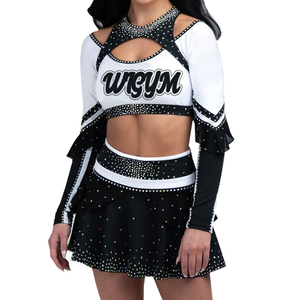
- 3D Puff Screen Printing & Rhinestone Embellishments: High-density silicone inks that withstand friction and repeated washing.
- Intricate Chenille & Towel Embroidery: Premium chest patches and sleeve badges offering tactile luxury feel for urban youth brands.
- Oversized Drop-Shoulder Cuts: Modern streetwear silhouettes tailored with reinforced twin-needle stitching and ribbed cuffs.
3. Corporate Swag & Event Merchandise
Nigeria’s tech ecosystem in Yaba (Lagos), alongside banking sectors, religious organizations, and university alumni networks, generates mass bulk orders for custom hoodies during Q3 and Q4. These orders emphasize color consistency (pantone matching), durable zip mechanisms (YKK or custom branded pullers), and quick delivery turnarounds.
| Fabric Type | Composition Options | Target GSM Range | Recommended Nigerian Application | Key Performance Feature |
|---|---|---|---|---|
| CVC Fleece | 80% Cotton / 20% Polyester | 280 GSM – 350 GSM | Lagos Urban Wear, Corporate Merch | High anti-pilling, minimal shrinkage, crisp embroidery face |
| Heavyweight French Terry | 100% Combed Cotton | 360 GSM – 450 GSM | Luxury Streetwear Brands (Lagos/Abuja) | Unbrushed loop back, superior comfort, premium weight |
| Brushed Polar Fleece | 100% Polyester / Microfleece | 300 GSM – 380 GSM | Harmattan Season Wear (Kano/Jos) | Maximum thermal retention, lightweight thermal barrier |
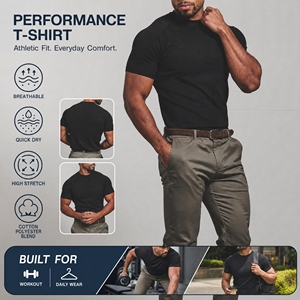
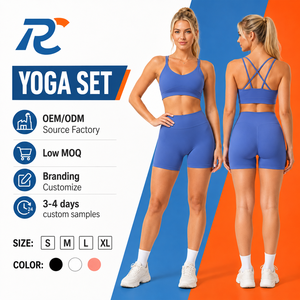
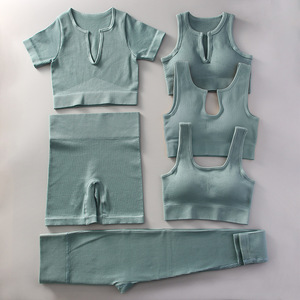
| Tech Performance Fleece | Polyester / Spandex Blend | 260 GSM – 320 GSM | Sports Teams, Gym Activewear Sets | 4-way stretch, moisture-wicking quick dry technology |
Our Manufacturing Ecosystem: Third-Generation Expertise & Factory Advantages
Reflecting decades of technical refinement, our production infrastructure operates across two dedicated manufacturing units designed for simultaneous bulk production of knitted apparel, fleece hoodies, and activewear. We eliminate middleman markup by offering direct factory access with full design-to-shipment transparency.
Factory Quality Commitment: Why Leading Importers Choose Our Direct Lines
Unlike sourcing intermediaries, our facility manages every tier of production under a unified quality system. When a Nigerian distributor places an order for 1,000 custom fleece hoodies or athletic sets, that order is governed by a strict mill-to-carton quality trail:
The 6-Stage Standard Quality Workflow Executed Per Purchase Order
To guarantee that every batch of fleece hoodies sent to West Africa meets international export benchmarks, our factory enforces a mandatory six-stage quality checklist:
Fabric Inspection & Testing
Incoming fabric rolls undergo lot-wise GSM audits, width verification, dimensional shrinkage checks, and color fastness rubbing tests before clearance.
Precision Hydraulic Cutting
Marker efficiency plans are calculated digitally. Fabrics are cut using precision hydraulic presses and numbered in bundles to eliminate panel shade variations.
Chain-System Stitching
Garments move along dedicated chain lines where operators specialize in single operations (flatlock, overlock, coverstitch) with hourly in-line QC audits.
Boiler Steam Press Finishing
Items are pressed using high-pressure steam boilers to stabilize fabric memory, thread-cut, trimmed, and audited against graded tech spec sheets.
Pre-Shipment AQL Audit
Cartons undergo unannounced random AQL 2.5 sampling. Inspectors verify polybag barcodes, size breakdowns, carton strength, and label accuracy.
Custom ODM/OEM R&D
Continuous sample development releasing customized fit strike-offs within 7 to 12 working days for immediate buyer approval.
Strategic Logistics Guide: Shipping Fleece Hoodies from China to Nigeria
Navigating customs clearance, freight forwarding, and import documentation in Nigeria requires foresight. Working directly with our factory team simplifies West African freight logistics through established protocols:
1. Sea Freight vs. Air Cargo Options
- Sea Freight (FCL/LCL to Apapa / Tincan Island, Lagos): Ideal for bulk orders of 1,000+ pieces. Transit time generally ranges from 30 to 42 days. FCL (Full Container Load) provides the lowest freight cost per unit for high-volume fleece importers.
- Air Cargo (Door-to-Door Clearing to Lagos / Abuja Airports): Best suited for urgent fashion drops or pre-season Harmattan stock launches. Transit time ranges from 5 to 9 days via direct air lines to Murtala Muhammed International Airport (LOS).
2. Essential Clearing Documentation & Compliance
We work alongside your appointed clearing agent or trusted local shipping lines (providing DDP - Delivered Duty Paid services on request) to supply complete commercial documentation: detailed packing lists with precise net/gross weights, commercial invoices stamped for customs, certificates of origin, and bill of lading (B/L) copies.