Export-Grade Hydration Packs & Performance Gear
Verified B2B ODM/OEM Catalog for Korean & International Outdoor Brands
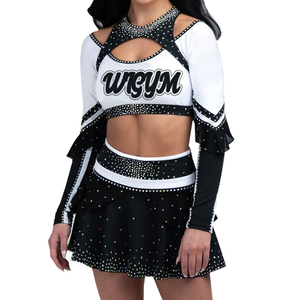
Custom All Star Performance Tactical Hydration Vest Apparel
Get Catalog
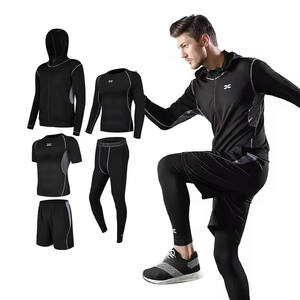
High Performance Trail Running Activewear & Hydration Compatible Apparel
Get Catalog
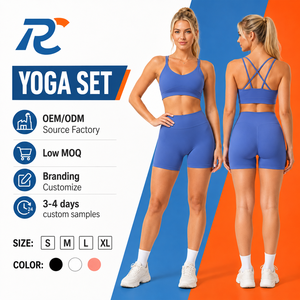
Women Seamless Ergonomic Outdoor Fitness & Hydration Support Set
Get Catalog
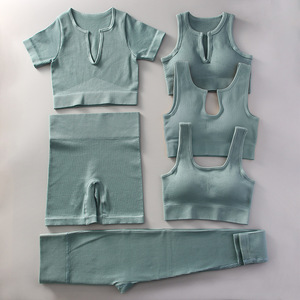
High-Performance Seamless Endurance Hydration Activewear Set
Get Catalog
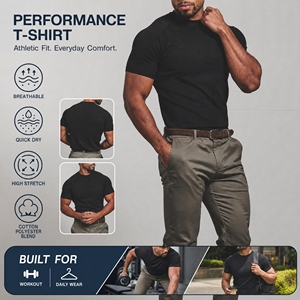
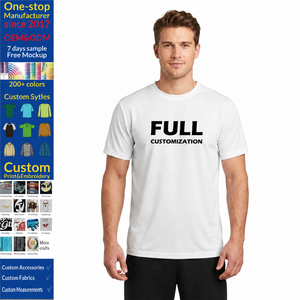
Men's Quick Dry Moisture-Wicking Running Shirt for Pack Integration
Get Catalog
Men's Tactical Outdoor Long Sleeve Protection & Pack Suit
Get Catalog
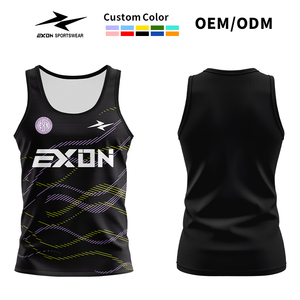
Ultra-Lightweight Racing Singlet Vest for Marathon & Trail Hydration
Get Catalog
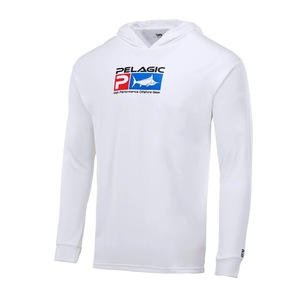
Custom UV-Protection Tactical Fishing & Trekking Hydration Jersey
Get Catalog
100%
Leak-Proof Hydro Testing
AQL 2.5
Quality Assurance Standard
3rd Gen
Manufacturing Heritage
30+
Global Export Markets
1. Technical Industry Overview: Hydration Pack Manufacturing in South Korea
The global demand for high-end hydration systems has experienced a fundamental shift toward technical precision, ergonomic body-mapping, and zero-toxicity materials. As a primary hub for advanced outdoor gear specification and design, South Korea represents a critical consumer and distribution market where quality standards eclipse basic commercial manufacturing. B2B procurement directors, outdoor brand managers, and tactical equipment importers sourcing hydration packs for the Korean domestic market and international channels must navigate rigorous compliance, material engineering, and structural durability standards.
Modern hydration packs are far more than sewn fabric bags with plastic bladders; they represent integrated biological support systems designed to maintain athlete and tactical operator fluid balance under extreme metabolic strain. Standard manufacturing approaches often fail under prolonged hydrostatic load, temperature fluctuations, and continuous dynamic friction. To provide true Information Gain for procurement executives, this B2B technical whitepaper breaks down the exact material matrices, seam-welding methodologies, regulatory compliance protocols, and supply-chain logistics required to manufacture market-leading hydration packs for the South Korean market and global export networks.
Key Takeaway: Sourcing hydration packs for Korean distribution demands strict adherence to KC (Korea Certification) food-contact safety standards, high-frequency dielectric TPU welding, and ergonomic load distribution designed for rugged mountain topography.
2. Localized Application Scenarios & Intent Mining in the Korean Outdoor Market
Understanding search intent and user behavior in South Korea reveals distinct operational environments. Korean consumers and institutional buyers demand highly specialized hydration gear tailored to specific local topography, weather extremes, and cultural outdoor trends:
Extreme Trail Running (Gangwon & Jeju)
Driven by events like Trans Jeju and the Gangwon 100K ultra-marathons, Korean runners demand 5L-12L micro-vest hydration packs featuring zero-bounce torso stabilization, breathable 3D air-mesh back panels, and dual front soft-flask harness pockets.
ROK Tactical & Military Specification
Tactical hydration units supplied to domestic defense contractors and emergency responders require 500D/1000D Cordura® outer shells, MOLLE webbing integration, low-visibility IR reflective coatings, and freeze-resistant insulated drink tubes.
Urban Outdoor & Hiking (Bukhansan & Seoraksan)
Hiking is a national pastime in South Korea. Day-pack hydration units tailored for Mt. Bukhansan and Mt. Seoraksan require integrated 2L-3L quick-release TPU bladders, trekking pole attachment loops, and stylish slimline silhouettes appealing to urban commuters.
Cross-Country Cycling (Four Rivers Path)
Cyclists tackling the 600km Seoul-to-Busan cross-country route require aerodynamic, low-profile hydration backpacks with high-flow bite valves, magnetic tube clips, and reflective safety striping for nocturnal visibility.
3. Technical Material Engineering & Reservoir Manufacturing Standards
The core difference between standard promotional backpacks and professional-grade hydration systems lies in material formulation and sealing technology. Inferior hydration bladders fabricated from PVC or low-density polyethylene (LDPE) emit plastic odors, leach harmful phthalates, and degrade rapidly under UV exposure. High-tier Korean exporters demand Thermoplastic Polyurethane (TPU) construction paired with RF (Radio Frequency) dielectric welding.
A. TPU Reservoir Construction vs. Conventional Plastics
Engineered TPU polyether and polyester films offer superior tensile elasticity (stretching up to 400% without structural deformation), exceptional puncture resistance against sharp trail debris, and complete biological neutrality. Unlike PVC, high-grade TPU contains zero Bisphenol-A (BPA), Bisphenol-S (BPS), or plasticizers, ensuring fluid taste purity even under intense ambient heat.
B. High-Frequency Dielectric Sealing & Leak Mitigation
Mechanical stitching or simple thermal gluing of fluid bladders creates catastrophic rupture points. Our factory utilizes high-frequency radio wave welding machines that agitate molecular structures within the TPU film, fusing two layers into a single homogeneous seam. Every welded bladder undergoes rigorous pneumatically controlled burst-pressure testing exceeding 50 PSI before entering assembly.
| Performance Specification |
Commercial Grade (Low Cost) |
Export Spec (Korean Market Standard) |
Tactical / Extreme Grade |
| Reservoir Material |
PVC / Standard PE |
Food-Grade Ether TPU (0.35mm) |
Heavy-Duty Microbe-Resistant TPU (0.40mm) |
| Seam Welding Method |
Thermal Heat Press |
High-Frequency RF Dielectric Weld |
Dual-Track High-Frequency RF Weld |
| Bite Valve Mechanism |
Basic Push-Pull Plastic |
360° Soft Silicone Auto-Shutoff |
Insulated Straight-Flow Twist-Lock Valve |
| Hydrostatic Pressure Rating |
15 - 20 PSI |
40 - 50 PSI |
> 65 PSI (Vehicle Overrun Rated) |
| Certification Compliance |
Basic RoHS |
KC Mark, FDA, LFGB, REACH |
MIL-STD-810G, KC Mark, FDA Food Grade |
4. South Korea Outdoor Market Trends & B2B Procurement Strategy
South Korea possesses one of the world's highest per-capita expenditures on outdoor apparel and gear. Brands operating within domestic commercial hubs like Seoul, Busan, and Daegu must continuously innovate to capture market share. Sourcing teams seeking manufacturing partnerships must align with current local market dynamics:
1. The Rise of "K-Outdoors" Minimalist Aesthetic
Korean outdoor enthusiasts prioritize sleek, monochromatic visual designs paired with hidden functionality. Bulk hydration packs featuring clean outer faces, hidden zipper garages, integrated rain covers, and discrete branding outperform cluttered multi-pocket designs.
2. Eco-Friendly & Recycled Textile Mandates
Environmental responsibility is paramount in South Korea. Leading brands require GRS-certified (Global Recycled Standard) recycled nylon and polyester fabrics (such as recycled 210D Ripstop) treated with C0 DWR (Durable Water Repellent) finishes that are 100% fluorocarbon-free.
3. Rapid Sample Iteration & Shortened Seasonal Cycles
The Korean retail market operates on tight fashion and seasonal windows. Overseas factories must offer rapid prototyping—delivering fully functional custom tech-pack samples and color-matched strike-offs within 7 to 12 business days.
5. Integrated 6-Stage Manufacturing & Quality Assurance Process
Building upon three generations of apparel and gear craftsmanship, our factory operates a closed-loop quality control system. Every purchase order follows a strict 6-stage manufacturing protocol, ensuring zero defect rates upon delivery to Korean ports or domestic distribution centers:
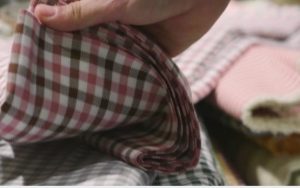
Stage 01
Material Inspection & GSM Testing
Every incoming batch of TPU film, Cordura fabric, and webbing is quarantined and audited for weight, tensile strength, color fastness, and chemical purity.
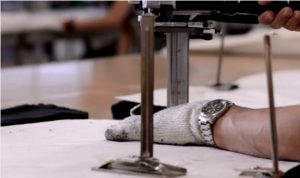
Stage 02
Automated Pattern Cutting
Hydraulic die-presses and computerized laser cutters execute pattern cutting down to 0.1mm tolerances, ensuring perfect alignment during assembly.
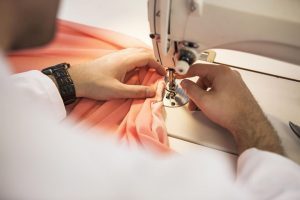
Stage 03
Ergonomic Stitching & Assembly
Specialized chain-system stitching lines utilize heavy-duty bonded nylon threads, bar-tack stress points, and flatlock seam construction for maximum strength.
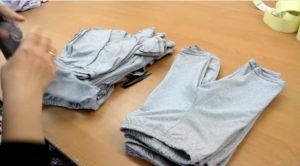
Stage 04
Pneumatic Pressure Leak Audit
Completed TPU reservoirs are inflated to elevated pressure thresholds for 24-hour hold audits. Zero pressure drop is allowed before approval.
Stage 05
Cleanroom Sterilization & Packing
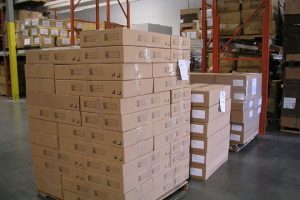
Hydration reservoirs undergo UV anti-bacterial sterilization before polybag sealing. Outer cartons undergo drop-test validation for shipping integrity.

Stage 06
ODM R&D Tech Pack Optimization
Our dedicated R&D engineering studio creates custom molds, bite-valve prototypes, and ergonomic harness upgrades for OEM private label buyers.
6. Core Factory Capabilities & Overseas Exporter Advantages
Partnering with an established manufacturing powerhouse eliminates supply chain volatility. Our facility merges deep heritage crafting performance wear and technical gear with modern manufacturing infrastructure:
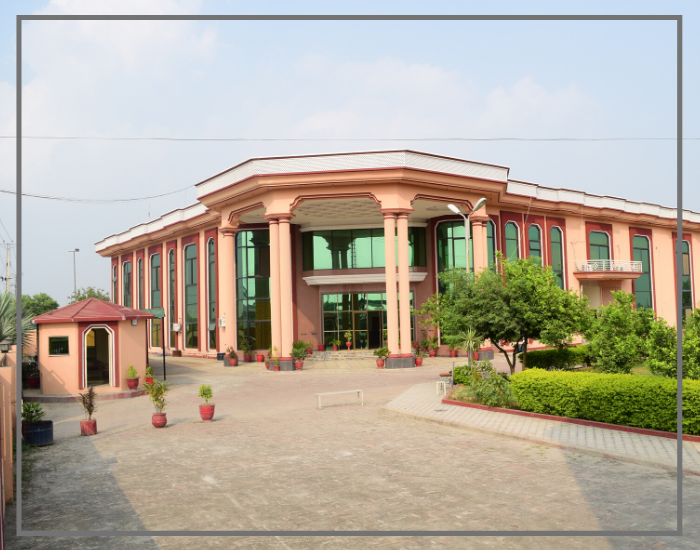
Three-Generation Industry Heritage
Built on decades of manufacturing precision, our enterprise operates two dedicated production units, serving global outdoor brands across 30+ countries with long-term accountability.
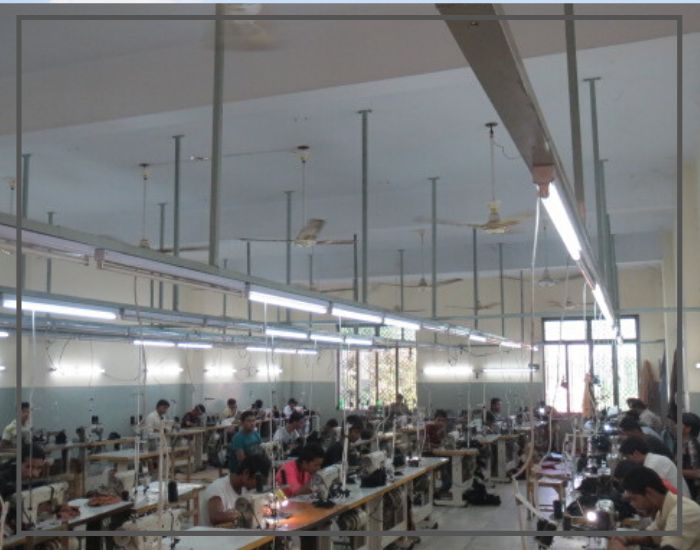
Scalable OEM/ODM Production Capacity
Equipped with specialized RF welding bays, hydraulic presses, and automated stitching lines, our factory seamlessly scales from low-MOQ boutique runs to high-volume commercial shipments.
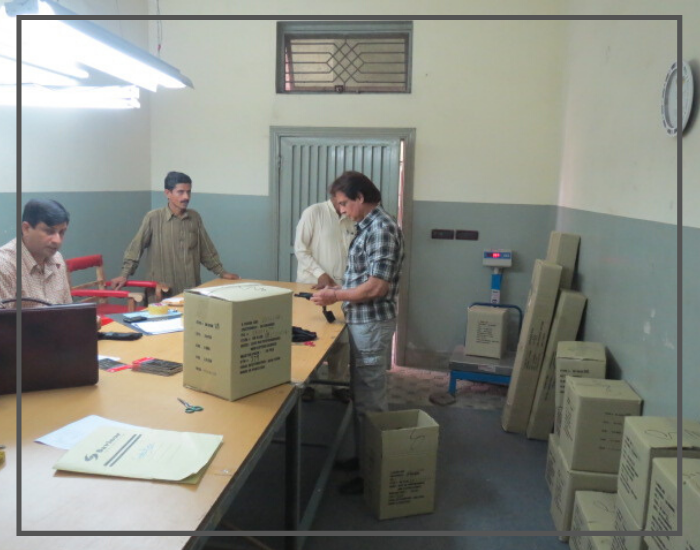
Rigid AQL 2.5 Quality Assurance
In-line roving inspections and end-line AQL 2.5 audits document every purchase order. Root-cause defect logs ensure continuous quality refinement on repeat orders.
Transparent Merchandising & Support
Each buyer is assigned a dedicated English-speaking merchandiser providing weekly photographic production tracking from raw cutting to customs clearance loading.
7. Frequently Asked Questions (FAQ) for Korean & Global Procurement Buyers
We address the critical technical, legal, and operational questions asked by corporate buyers and supply chain executives sourcing hydration packs for South Korea and global markets:
Do your hydration bladders comply with South Korea’s KC Mark and food safety laws?
Yes. All TPU films, silicone tubes, and bite valves manufactured for export to South Korea comply fully with the Korean Food Sanitation Act and KC (Korea Certification) guidelines for food-contact items. Materials are certified free of Heavy Metals, Phthalates, BPA, and PVC.
What is the Minimum Order Quantity (MOQ) for custom hydration packs and bladders?
For custom sublimated trail running hydration vests and packs, our flexible baseline MOQ starts at 150 to 300 pieces per style, split across sizes and colorways. Custom molded TPU bladders with specialized dimensions typically start at 500 units per production run.
How do you prevent hydration hose freezing during cold Korean winters (e.g., Gangwon-do skiing/hiking)?
We manufacture winter-spec tactical and trekking hydration packs utilizing 4mm thick neoprene hose insulation sleeves, TPU bite valve cover caps, and thermal-lined reservoir compartment pockets engineered to maintain fluid flow in sub-zero ambient conditions down to -20°C.
Can we request full ODM private label packaging, custom branding, and barcode integration?
Absolutey. Our in-house branding department handles full private label development including heat-transfer silicone logos, woven brand labels, custom hangtags, Korean-language care tags, barcode labeling, and retail-ready polybag packaging formatted for immediate Korean distribution centers.
What is the typical sampling turnaround and bulk shipping lead time?
Custom prototype samples and 3D tech-pack strike-offs are completed in 7 to 12 working days. Bulk production lead times range between 25 and 40 days following sample sign-off, depending on custom mold requirements and total container volume.
How are customs clearance and export documentation managed for shipping to South Korean ports?
Our global logistics division provides full support for FOB, CIF, or DDP shipments arriving at Incheon or Busan ports. We issue full Certificates of Origin (CO), Commercial Invoices, Packing Lists, and Material Safety Data Sheets (MSDS) to streamline customs release without delays.
Partner with a Leading Hydration Pack Exporter Today
Accelerate your outdoor brand's growth with high-frequency welded hydration systems, custom OEM/ODM designs, and factory-direct pricing backed by strict AQL 2.5 quality control.