Factory: Sialkot, Pakistan Email: [email protected] Phone: (+92) 300 8467161

Tactical Vest Exporter & Exporters for Japan

Precision Military-Grade Engineering, JIS Compliance, OEM/ODM Customization & Strategic Sourcing for Japanese Public Safety, Law Enforcement, and Tactical Apparel Markets

Featured Tactical & Performance Apparel Catalog

Engineered for extreme operational durability, ergonomic weight distribution, and modular adaptability. Designed for professional procurement across Japan and international markets.

Tactical Performance Apparel & Custom Uniform Assembly
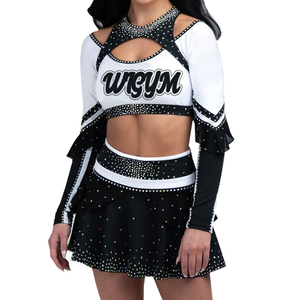
Custom All Star Tactical & Performance Team Apparel Bulk Manufacturing
Contact Us
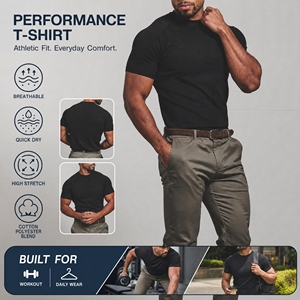
Muscle Fit Base Layer Tactical Shirt
High Quality Performance Muscle Fit Combat Shirt Raglan Sleeve Activewear
Contact Us
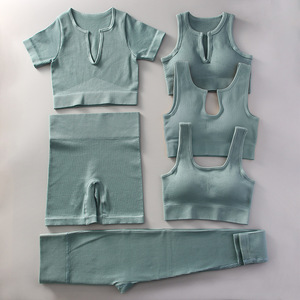
Seamless Tactical Training Wear Set
Women 2 Piece Tactical Training Set Stitched Sports Seamless Fitness Tracksuit
Contact Us
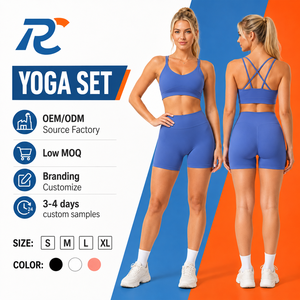
High Performance Seamless Compression Set
Wholesale Women's High Performance Seamless Tactical Workout & Fitness Apparel
Contact Us
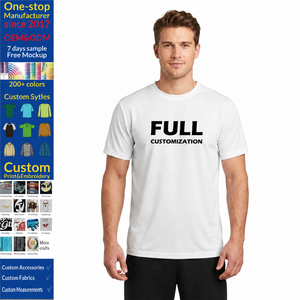
Moisture Wicking Quick Dry Tactical T-Shirt
Men's Custom 100% Polyester Performance T-Shirt Quick Dry Tactical Athletic Apparel
Contact Us
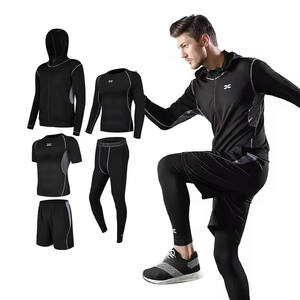
3 Piece Tactical Field Training Suit
Men's Quick Dry Field Tactical Training Suit Long Sleeve Compression Apparel
Contact Us
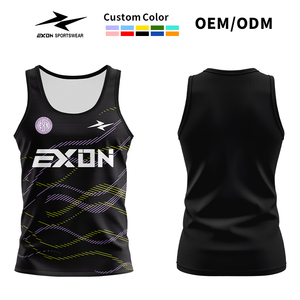
Lightweight Performance Field Singlet
EXON Lightweight Performance Field Vest with Moisture Management Fabric
Contact Us
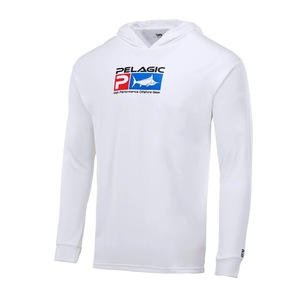
UV Protection Tactical Outdoor Jersey
Custom Performance UV Protection Quick Dry Sublimation Long Sleeve Tactical Jersey
Contact Us
3rd Gen
Manufacturing Heritage
AQL 2.5
Quality Assurance Standard
30+
Global Export Markets
500D/1000D
Cordura® Mil-Spec Standard

1. Strategic Sourcing Analysis: Tactical Vests Export to Japan (2025–2030)

The Japanese tactical equipment market represents a unique ecosystem characterized by stringent quality demands, exacting dimensional tolerances, and distinct regulatory compliance frameworks under the Ministry of Economy, Trade and Industry (METI) and Japanese Industrial Standards (JIS).

As a specialized tactical vest exporter catering to Japanese importers, security contractors, and recreational airsoft (Sabage / サバゲー) distributors, understanding the nuance of localized demand is paramount. Sourcing officers in Tokyo, Osaka, and Nagoya are shifting away from rigid, legacy gear toward lightweight, modular plate carriers utilizing Laser-Cut MOLLE / PALS systems, Near-Infrared (NIR) camouflage reflection suppression, and hydrophobic 500D Cordura® nylon weaves.

Defense & Private Security

Private security personnel (Keibi / 警備) and law enforcement support agencies require high-durability, ergonomic carrier vests featuring quick-release cable mechanisms, stab-resistant lining, and concealed radio pouch integration.

Civil Protection & SAR

Japan’s frequent seismic activity drives significant demand for Disaster Relief and Search and Rescue (SAR) tactical vests outfitted with high-visibility retro-reflective accents, hydration bladder sleeves, and quick-attach medical pouches.

Survival Games (Sabage)

The flourishing Japanese recreational military simulation industry demands hyper-realistic, lightweight replica vests replicating JGSDF Type 3 camouflage, MultiCam, and Ranger Green aesthetics with high breathability for humid summer operations.

2. Engineering & Technical Material Matrix for Japanese Import Standards

Japanese procurement specialists evaluate suppliers based on verifiable technical benchmarks rather than marketing claims. Below is our baseline technical specification matrix for tactical vest exports to Japan, designed to meet JIS L 1096 (Textile Testing Standards) and international military specifications.

Performance Parameter Military & Police Grade Standard Commercial Security Grade Recreational / Sabage Grade
Primary Shell Fabric 1000D / 500D Cordura® Nylon 6,6 600D High-Tenacity Polyester / Nylon 500D Ripstop Polyester / Oxford Fabric
Tensile Strength (JIS L 1096) Warp: > 2800N | Weft: > 2200N Warp: > 1800N | Weft: > 1400N Warp: > 1100N | Weft: > 900N
NIR (Near-Infrared) Camouflage Compliant (800nm – 1200nm Spectral Range) Optional Thermal Coating Standard Visual Print Only
Water Repellency & Coating DWR Finish + 2-Pass PU 1000mm+ Waterhead DWR Finish + 1-Pass PU Coating Standard Water-Resistant Coating
Hardware & Buckles ITW Nexus® / Duraflex® Mil-Spec Acetate Heavy-Duty Nylon Quick Release Standard ABS Plastic Fasteners
Seam Reinforcement Bar-tacked stress points & Box-X stitching Double-stitched structural seams Standard reinforced overlock
Thread Quality Bonded Nylon 69 (Tex 70) / Kevlar Thread High-Strength Corespun Polyester Standard Heavy-Duty Polyester Thread

3. Localized Tactical Vest Applications across Japan

A. Metropolitan Security & Crowd Management (Tokyo & Osaka Segments)

Private security firms servicing high-density transit hubs in Shinjuku, Ueno, and Umeda demand understated, low-profile tactical carrier vests. These units require covert plate pockets for lightweight soft armor insert compatibility (NIJ Level IIA/IIIA), moisture-wicking 3D spacer mesh linings to prevent heat retention, and modular hook-and-loop ID patches for rapid identification during emergency deployments.

B. JGSDF Style & Regional Military Recreation (Sabage Industry)

Japan boasts thousands of active tactical airsoft parks. Japanese consumers demand exact structural fidelity to JGSDF (Japan Ground Self-Defense Force) body armor formats, including Type 3 camouflage patterns, laser-cut skeletal cummerbunds, and tactical chest rigs that seamlessly integrate with standard airsoft magazine dimensions (5.56 NATO, 7.62 NATO, and 9mm submachine gun mags).

C. Prefecture-Level Disaster Response & Mountain Rescue Teams

Responders operating in northern regions like Hokkaido or mountainous prefectures require tactical load-bearing vests featuring integrated hydration storage, GPS radio harnesses, heavy-duty drag handles rated to over 150 kg pull force, and all-weather waterproof pocket seals.

4. Haraka Sports Manufacturing Capabilities & Quality Control

As a third-generation vertically integrated manufacturer, Haraka Sports operates two state-of-the-art production units spanning 8 km Daska Road and the Small Industries Estate in Sialkot, Pakistan. We specialize in contract manufacturing, OEM/ODM development, and global export execution.

Company Infrastructure and Factory Unit

Vertically Integrated Infrastructure

Our dual production facilities allow parallel runs across heavy cut-and-sew technical tactical vests, sublimated base layers, and fitness gear. We maintain complete control over raw material sourcing, pattern cutting, and final carton packaging.

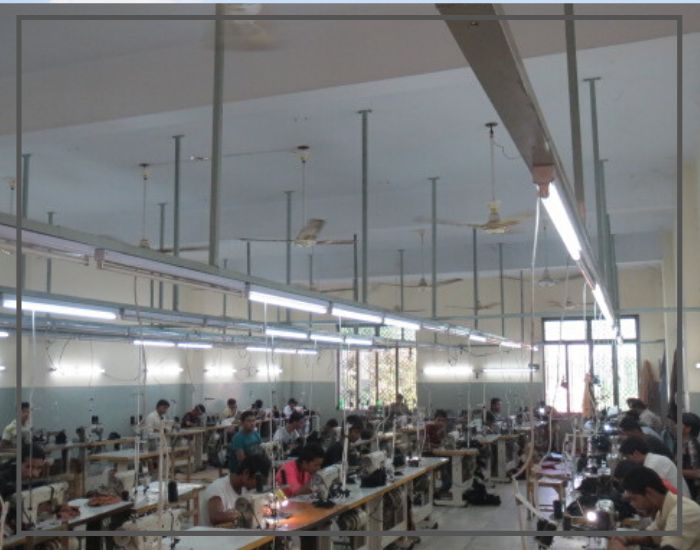
Advanced Stitching Lines and Production Capacity

Specialized Chain Stitching Lines

Equipped with computerized bar-tacking machinery, hydraulic cutting presses, laser fabric cutters, and heavy-duty compound feed walking-foot sewing machines dedicated to multi-layer Cordura and nylon webbing assembly.

Quality Control Inspection and Testing

Documented AQL 2.5 Audits

Every purchase order undergoes rigid inline roving checks and final end-line inspections. We verify fabric GSM, color fastness, seam tensile strength, stitch count per inch (SPI), and needle detection protocols prior to seal approval.

5. The 6-Stage Documented Production Workflow

To eliminate defect rates and deliver 100% compliance for Japanese buyers, every tactical vest order follows an uncompromising six-stage quality protocol from raw material receiving to international seal clearance.

Stage 01
Fabric Inspection & GSM Testing

Incoming fabric rolls are quarantined and audited for weight (GSM), tear strength, color fastness against rubbing and sweat, and shade-band consistency against approved buyer swatches.

Fabric Checking Process
Stage 02
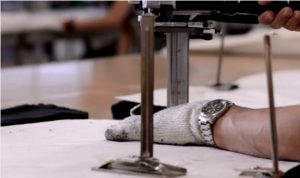
Precision Cutting & Bundle Coding

CAD-generated marker plans maximize yield efficiency. Fabrics are cut via automated laser system or hydraulic presses, followed by bundle numbering to prevent color shading mismatch across panels.

Cutting and Marker Efficiency
Stage 03
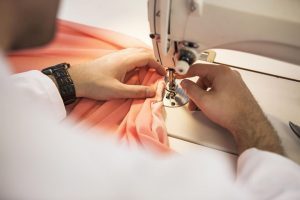
Systematic Chain Assembly

Workpieces move through specialized modular lines where single operators handle dedicated high-stress operations including MOLLE laser bar-tacking, cummerbund attachment, and velcro bonding.

Stitching Line Assembly
Stage 04
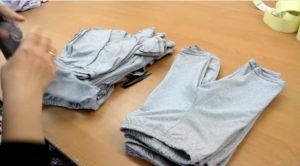
Finishing & Steam Pressing

Garments undergo manual thread trimming, thorough surface cleanup, high-pressure boiler steam pressing for structural stabilization, and dimensional measurement verification against pattern specs.

Garment Finishing Department
Stage 05
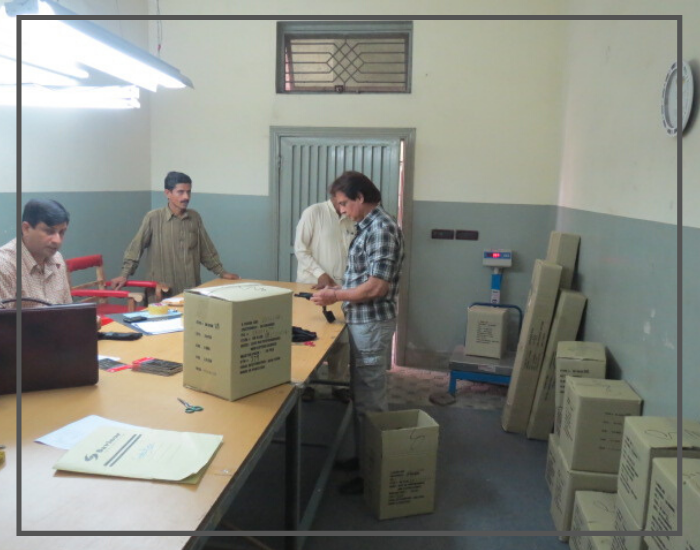
Pre-Shipment Packing & AQL Audit

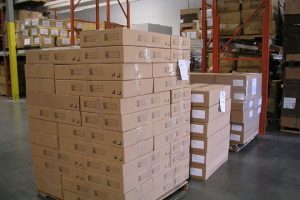
Final garments undergo unannounced random AQL 2.5 sampling. Inspectors audit polybag warning labels, Japanese SKU barcodes, master carton crushing strength, and export compliance paperwork.

Final Packing and Pre-Shipment Inspection
Stage 06
R&D & Tech Pack Customization

Our dedicated design room assists Japanese clients with full ODM development—converting initial concept sketches into fully graded technical packs, complete with custom labels and hardware molding.

R&D Product Development Room

6. Frequently Asked Questions (FAQ) for Japanese Tactical Gear Importers

Addressing essential procurement, trade compliance, order minimums, and technical customization queries for B2B buyers in Japan.

What is the minimum order quantity (MOQ) for custom tactical vest production?
For fully customized tactical vests or plate carriers utilizing custom dye-lot fabrics or specialized camouflage prints, our standard production MOQ starts at 150 to 300 pieces per style, which can be split across sizes. For standard stock fabrics (such as 500D Black, Coyote Tan, or Ranger Green Cordura®), smaller trial orders from 50 pieces per style are accepted for market testing in Japan.
How do you ensure export compliance and customs clearance for shipments entering Japan?
We provide complete export documentation tailored to Japan Customs (財務省税関) standards, including Generalized System of Preferences (GSP) Certificates of Origin, commercial invoices, detailed packing lists with precise HS Code classification (e.g., 6307.90 for textile load-bearing equipment), and material safety datasheets (MSDS) ensuring no restricted chemical substances (REACH/ROHS compliance) are used in fabric dyes.
Can you manufacture tactical vests matching JGSDF (Japan Ground Self-Defense Force) camouflage patterns?
Yes. Our sublimation and textile printing division accurately reproduces JGSDF Type 3 Flecktarn-style camouflage patterns with precise color-matching specs (green, brown, black, and khaki ratios). We can also apply Near-Infrared (NIR) reflective suppression coatings to raw fabrics upon request for military-grade buyers.
What is the lead time for sampling and bulk shipment to major Japanese ports?
Initial technical strike-offs and prototype samples are manufactured within 7 to 12 working days following tech pack confirmation. Bulk production typically requires 25 to 40 days depending on raw material availability. Air freight shipping to Narita (NRT) or Kansai (KIX) takes 4–7 days, while ocean freight shipping to Tokyo, Yokohama, Kobe, or Osaka ports requires approximately 20–28 days.
Do you support full OEM private label packaging with Japanese text and Japanese care labels?
Absolute compliance is guaranteed. Our design team creates Japanese-language wash care labels (compliant with Household Goods Quality Labeling Act / 家庭用品品質表示法), custom woven brand labels, hangtags with JAN/EAN barcode stickers, and individualized polybag packaging engineered to Japanese retail standards.
Can we consolidate tactical apparel with fitness accessories in a single container?
Yes. Because Haraka Sports operates multi-category production lines—including tactical carrier vests, compression base layers, hoodies, outerwear, and weightlifting gear—we offer unified container consolidation. This allows Japanese buyers to lower freight costs by shipping mixed product portfolios under a single Bill of Lading.

7. Japanese Procurement Risk Mitigation & Quality Assurance

Sourcing tactical gear across borders presents operational risks if specifications are ambiguous. Haraka Sports mitigates buyer risk through a structured four-pillar approach tailored for international purchasing managers:

1. Pre-Production Physical Sample Sign-Off

Production begins only after the buyer physically inspects and signs off on a pre-production sample verifying stitch density, buckle tension, and fit measurements.

2. Fabric Batch Traceability

Every fabric roll is tagged with a batch number and mill test report (GSM, tear resistance, colorfastness), ensuring complete traceability throughout production.

3. Third-Party Inspection Access

We welcome third-party inspection agencies nominated by Japanese buyers (e.g., SGS, TÜV, Intertek) to conduct unannounced audits at any production phase.

Partner with a Leading Tactical Vest Exporter for Japan

Initiate your OEM/ODM tactical vest project today. Consult directly with our senior English and technical merchandising team to receive detailed engineering quotes, fabric swatch books, and sample timelines.

Contact Us